Last updated November 21, 2026
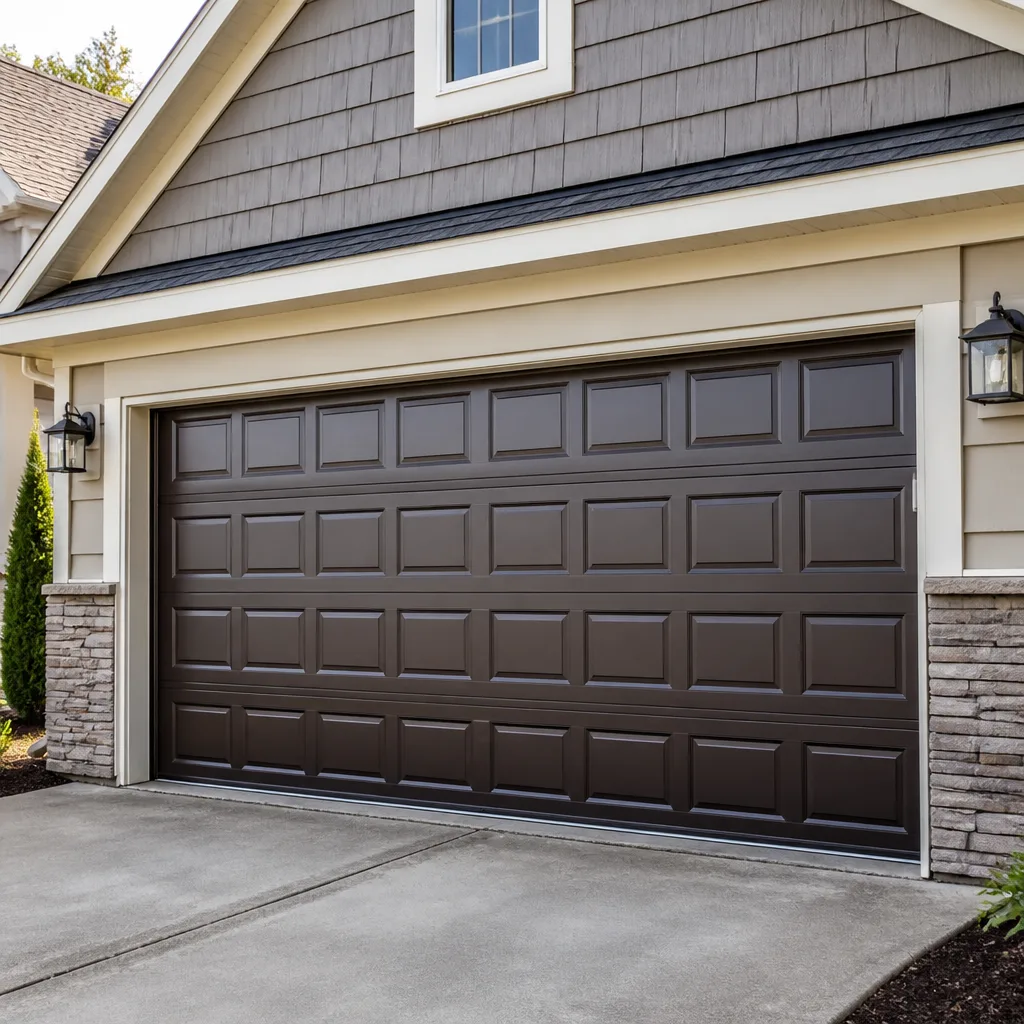 Raised-panel steel
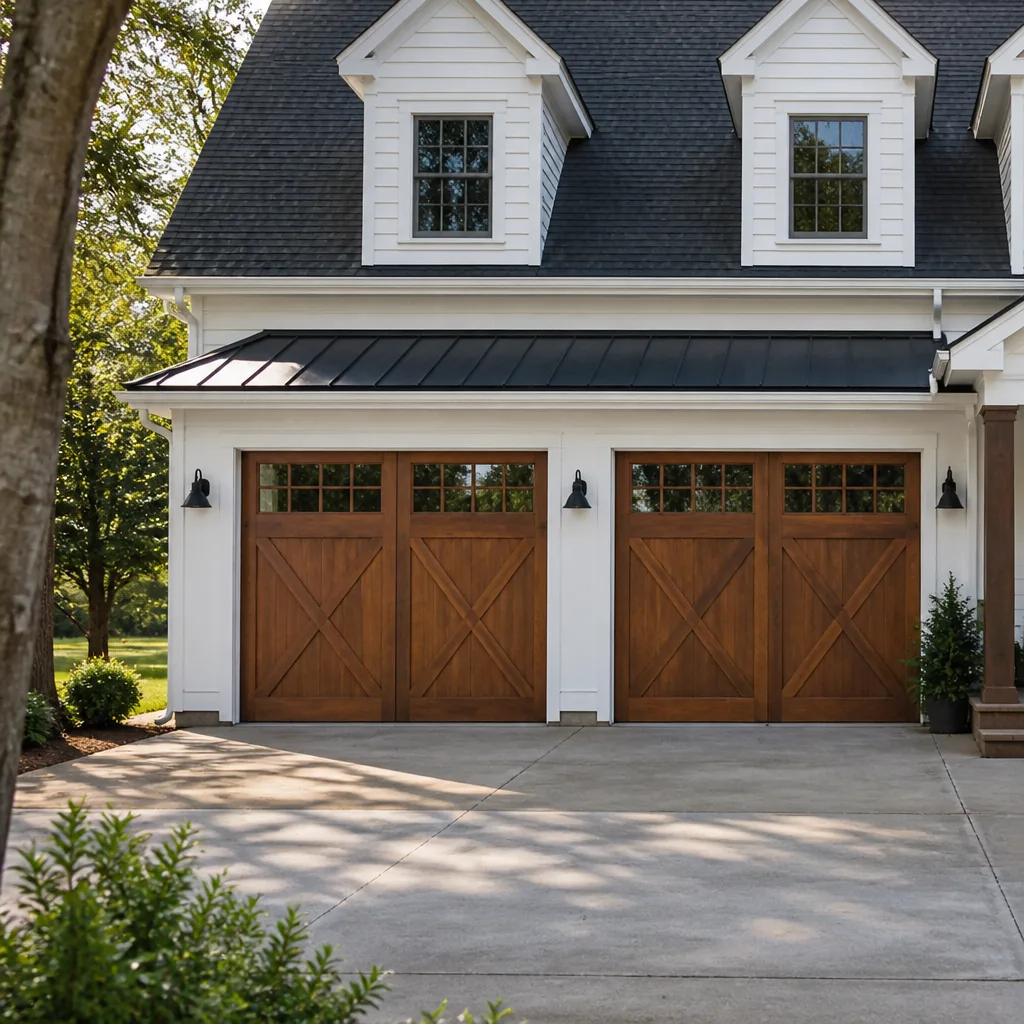 Carriage house
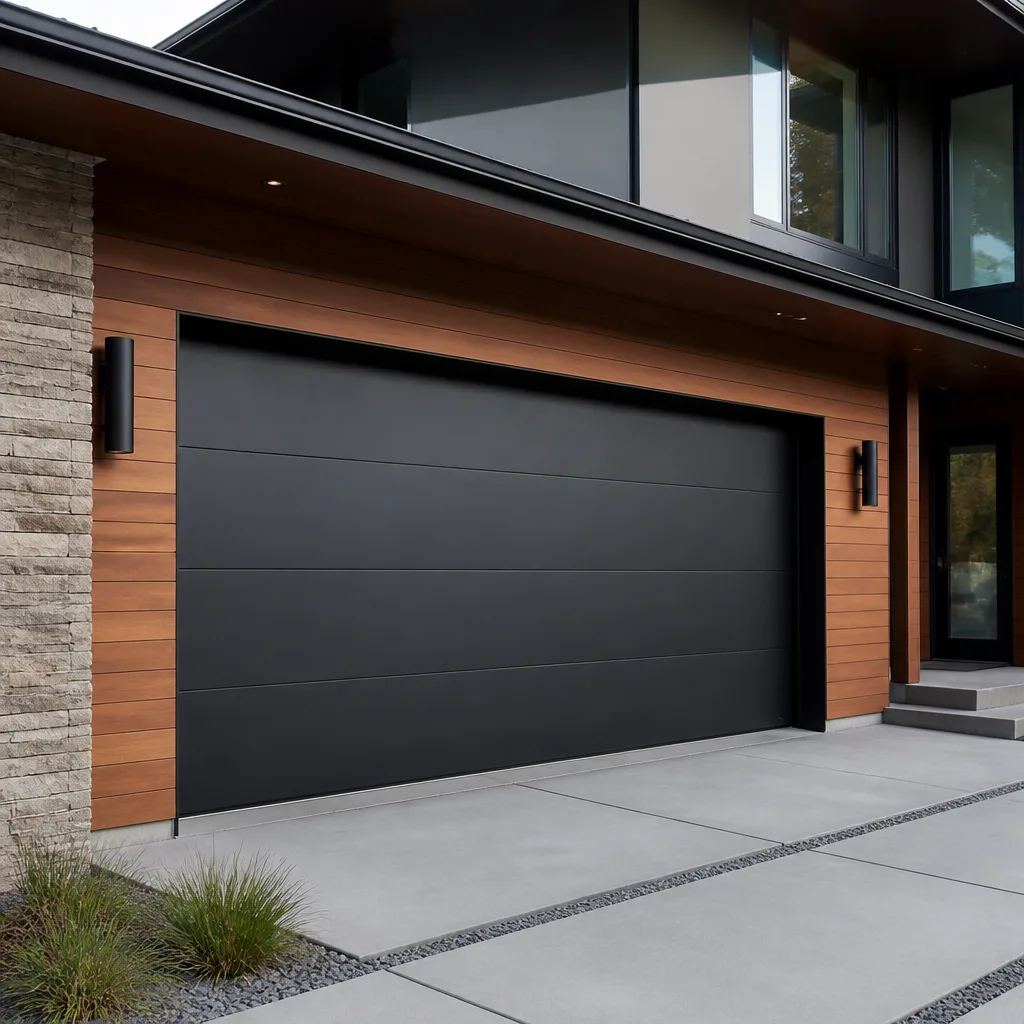 Modern flush
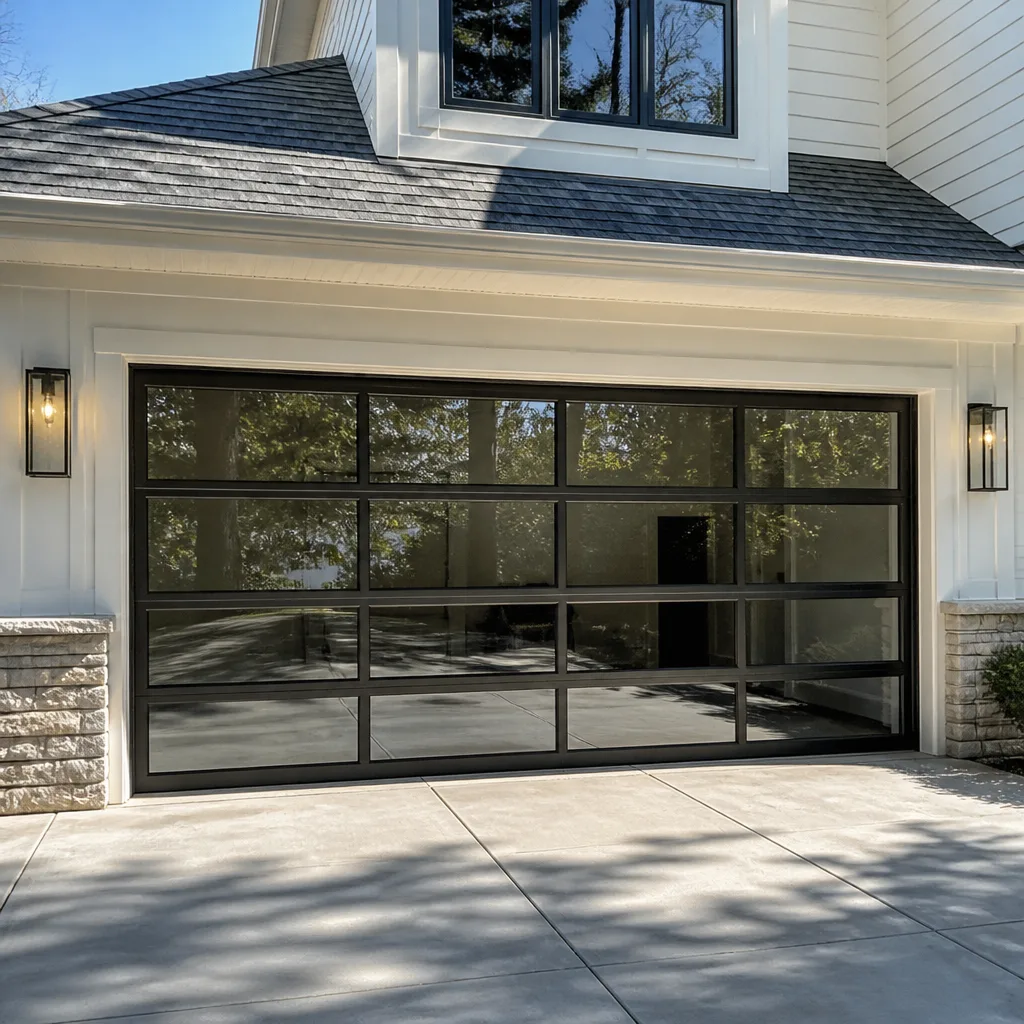 Full-view glass
 LiftMaster openers
 Chamberlain openers
Full 25-point door and opener safety check with every visit - springs, cables, rollers, tracks, and your LiftMaster or Chamberlain opener included
You get a price before we start. It does not change when the pro arrives.
Get your free estimateSeasonal Garage Door Care for Hamline-Midway: Year-Round Homeowner’s Guide
February isn’t the hardest month on a garage door in Minnesota. March is. The deep freeze is hard on springs and openers, but the freeze-thaw cycling that hits the threshold in late winter does more damage to seals, weatherstripping and track alignment in six weeks than the entire cold season does before it. Most homeowners here wait for something to break and then call. This guide maps the specific garage door tasks to Hamline-Midway’s four real stress periods, with a “why now” for each one, so you can catch the small failures before they turn into a snapped spring or a door stuck open. Hamline-Midway sits in that freeze-thaw zone, and what happens at the concrete matters.
Quick Answer
In Hamline-Midway, garage doors take their worst beating in March, when thaw-refreeze cycles at the threshold wreck bottom seals and shift track alignment, not in the deep cold of January. The right seasonal routine is four checkpoints, not two: a fall adjustment before metal tolerances change, a winter protocol for a door frozen to the floor, a March thaw inspection, and a summer pass for UV and moisture.
Styles & brands we work with
- Raised-panel steel
- Carriage house
- Modern flush
- Full-view glass
- LiftMaster openers
- Chamberlain openers
Table of Contents
- Why Hamline-Midway’s Garage Doors Face Four Seasons, Not Two
- Fall: The Last Safe Window for Spring Adjustment
- Winter: What to Do When a Door Freezes to the Floor
- March Thaw Protocol: Seals, Thresholds and Track Alignment
- Summer: The Tasks Homeowners Skip
- Building a 15-Minute Seasonal Log
- Common Mistakes to Avoid
- When to Call a Professional
Why Hamline-Midway’s Garage Doors Face Four Seasons, Not Two
Standard maintenance advice says check in spring and fall. That’s written for a mild climate. Hamline-Midway’s seasonal pressure comes in four distinct windows, and each one stresses a different part of the door. Understanding which part is under load when tells you exactly what to inspect and when.
Through the deep freeze, cold metal contracts. Springs lose some of their tension, opener rails tighten, and the door panel itself becomes brittle. In March, the freeze-thaw cycle begins: daytime meltwater runs down to the threshold, then refreezes at night. That ice expands and works its way under the bottom seal, and every cycle pushes it a little further.
By summer, the stress flips entirely. Intense sun degrades the rubber seals and weatherstripping, wood panels absorb moisture and expand, and the landscaping you planted in spring has grown into the path of the photo-eye sensors.
The move that separates a well-maintained door from one that keeps calling for help is timing the inspection to the stress period, not to the calendar page. If you find yourself needing Garage Door Repair Hamline-Midway between checkpoints, that’s fine; but most emergency calls we handle come from issues a seasonal check would have flagged. Here’s the season-by-season rundown.
Fall: The Last Safe Window for Spring Adjustment
October is the last safe window to adjust spring tension in Hamline-Midway, and there’s a mechanical reason why. As the temperature drops below freezing, metal tolerances change. Springs that had a little give at 60 degrees become stiff and unpredictable at 20, and the tools that were calibrated for the fall setting can slip when you least expect it.
The springs carry the full weight of the door. One wrong adjustment under cold conditions can send a spring loose with enough force to cause serious injury. That’s why we tell homeowners not to attempt spring repair themselves, at any season, but especially in the fall when the window is closing.
Here’s what to do before the cold locks in:
- Lubricate hinges, rollers, and the torsion bar with a proper garage door lubricant, not WD-40 or grease.
- Test the balance. Disconnect the opener and lift the door halfway. It should stay there on its own. If it drops or rises, the springs are out of balance.
- Inspect the weatherstripping along the bottom and sides. Look for cracking, gaps, or sections pulling away from the frame.
- Test the safety reverse. Place a roll of paper towels under the door and close it. The door should reverse on contact.
- Check the tracks for dents, debris, or misalignment from summer storms and yard work.
A door that passes these checks in October is far less likely to fail in January, when a service call is more urgent and less convenient. If your door is a LiftMaster or a Wayne Dalton, both of which are common in Hamline-Midway homes, note that their opener systems have their own fall checklist in the garage door opener repair resource.
Winter: What to Do When a Door Freezes to the Floor
When a garage door freezes to the floor in Hamline-Midway, the worst thing you can do is force it. The opener will keep pulling, the door won’t move, and the stress transfers to the spring, the opener gear, and the panel itself. Forcing a frozen door can turn a simple thaw into a serious repair bill.
What to do instead:
- Disconnect the opener. Pull the emergency release cord so it stops trying to lift.
- Break the ice bond gently. Warm water or a heat gun aimed at the bottom seal will loosen the ice. Never use a hammer, chisel, or any tool that could bend the track.
- Lift the door manually once it’s loose. If it won’t lift smoothly by hand, the springs are compromised and need professional attention.
- Fix the cause. Ice forming under the door means the bottom seal has lost contact with the floor. That’s a weatherstripping problem, not a weather problem.
Opener systems from Craftsman, Raynor, and Genie all trip on the same stress when a door freezes and gets forced: the gear that pulls the carriage wears, the travel limits drift, and the safety sensors can get knocked out of alignment by the vibration. Sometimes the door survives and the opener fails silently a few weeks later.
In winter, keep the threshold clear of snow buildup and avoid parking a car so close to the door that it blocks the sensors. And if the door won’t budge even after you’ve thawed it, that’s a call for garage door repair rather than a second attempt with a pry bar.
March Thaw Protocol: Seals, Thresholds and Track Alignment
March in Hamline-Midway is when the ground thaws, the slab shifts, and the door reveals everything the winter did to it. Frost heave pushes the concrete threshold up and down, and each thaw cycle pulls the bottom seal away from the floor. By the end of March, a door that seemed fine in February will often show gaps, uneven closure, and tracks that have moved out of plumb.
This is the month to do a proper inspection, in this order:
- Weatherstrip and bottom seal. Run your hand along the bottom seal with the door closed. If you feel gaps or see tears, the ice has been working on it all winter. Replace the seal before summer rain gets in.
- Threshold alignment. Look along the bottom edge of the closed door. It should meet the concrete evenly from side to side. If one side looks higher, frost heave has tilted the slab.
- Track plumb. Hold a level against each vertical track. If they’ve shifted, the door will bind as it travels, and that binding wears rollers and opener gears.
- Roller condition. Winter cold cracks nylon rollers. Replace cracked ones before they wear the track.
- Reverse test again. Snow, ice, or a knocked sensor can affect the safety reverse. Retest it after the thaw.
The March check is the one homeowners skip most often, because winter is over and nobody wants to think about the garage. But the damage from a full winter of freeze-thaw cycles doesn’t wait until it’s convenient. Catching it in March saves a mid-summer repair and keeps the door sealing properly through the rainy season.
If the track has clearly shifted or the seal is damaged beyond a simple swap, our technicians have up to 8 years of experience diagnosing exactly these post-winter issues. An estimate in March is usually free and always cheaper than a full replacement in July.
Summer: The Tasks Homeowners Skip
Summer is the season homeowners ignore the garage door, and that’s a mistake. Heat and UV do their own kind of damage, and the landscaping you planted in spring creates new problems by July.
- UV degradation on seals. Rubber weatherstripping dries out and cracks under direct sun. Run your hand along the bottom seal and check for fine cracks, brittleness, or color fading. A cracked seal lets water and pests in and accelerates the freeze-thaw damage next winter.
- Wood panel moisture expansion. Panels made of wood or wood composite absorb humidity and swell. Check for binding at the edges, rubbing on the track, or gaps that open and close with the weather. If the door sticks on one side only in humid months, that’s expansion, not a track problem.
- Photo-eye realignment. The two safety sensors at the bottom of the track need a clear line of sight. Summer landscaping, lawn furniture, or a parked bicycle can block them. Clean the lenses and confirm the indicator light stays solid when the door closes.
- Track cleaning. Summer brings grit and debris into the tracks. Run a cloth along the inside flanges and check for leaves, insects, or small objects that could jam the rollers.
This is also the season to inspect the door’s underside for rust after a wet spring, and to check that the opener’s up and down travel limits are still accurate after a winter of temperature swings. If your opener is a Chamberlain, LiftMaster, or Genie unit, the garage door repair page covers the brand-specific quirks of each one. A few minutes in July prevents most of the calls we get in August.
If you’re weighing a full replacement because the panels have warped or the seals are too far gone to swap, the garage door installation resource walks through what a proper measure and written quote looks like for a new door.
Building a 15-Minute Seasonal Log
A 15-minute seasonal log is the single cheapest thing you can do to make future repairs faster and less expensive. When a technician arrives, having a dated record of what you checked and what you found saves diagnostic time, and it often reveals a pattern a one-time inspection would miss.
You don’t need anything fancy. A notebook kept in the garage, or a note on your phone, works. For each season, record:
- The date of the check.
- Any changes in how the door sounds or moves.
- Condition of the bottom seal and weatherstripping.
- Whether the balance and reverse tests passed.
- Any new gaps, sticking, or sensor issues.
- Brand and model of the opener, if you know it.
The log matters most in two situations. First, a spring that’s been getting progressively weak shows up in the notes as a door that used to stay halfway and now doesn’t. Second, if you ever have a door replaced, the log gives the installer a complete history of how the old one behaved.
Keep it to four checkpoints a year, one per season, and don’t overthink it. Fifteen minutes in October, January, March, and July is enough to catch most problems early. If a log turns up something a homeowner can’t fix safely, like a spring that’s lost tension or a track that’s out of plumb, that’s the time to call a professional rather than add a note and hope the door holds.
Common Mistakes to Avoid
- Forcing a frozen door. The opener isn’t designed to break a bond to ice. Forcing it transfers the load to the spring and gear, and the failure often shows up weeks later.
- Treating spring repair as a DIY project. The spring carries the entire door weight. A mistake can cause serious injury. Leave spring adjustment to trained technicians with the right tools.
- Waiting until a part fails. The March thaw check is the one homeowners skip. By the time the seal is clearly torn, water has already worked in.
- Using household oil or grease on the track. It attracts dirt and grit. A garage door lubricant is formulated for the job; the wrong product makes the problem worse.
- Ignoring small gaps in the bottom seal. A gap that looks minor in summer lets meltwater under the seal in March, and that’s the cycle that destroys the threshold.
- Assuming a brand-new door needs no maintenance. A new door from any manufacturer, whether it’s Amarr, Clopay, or another brand, still needs the same seasonal checks and log from day one.
- Skipping the summer sensor check. A photo-eye knocked out of alignment by landscaping is a common reason a door reverses for no visible reason.
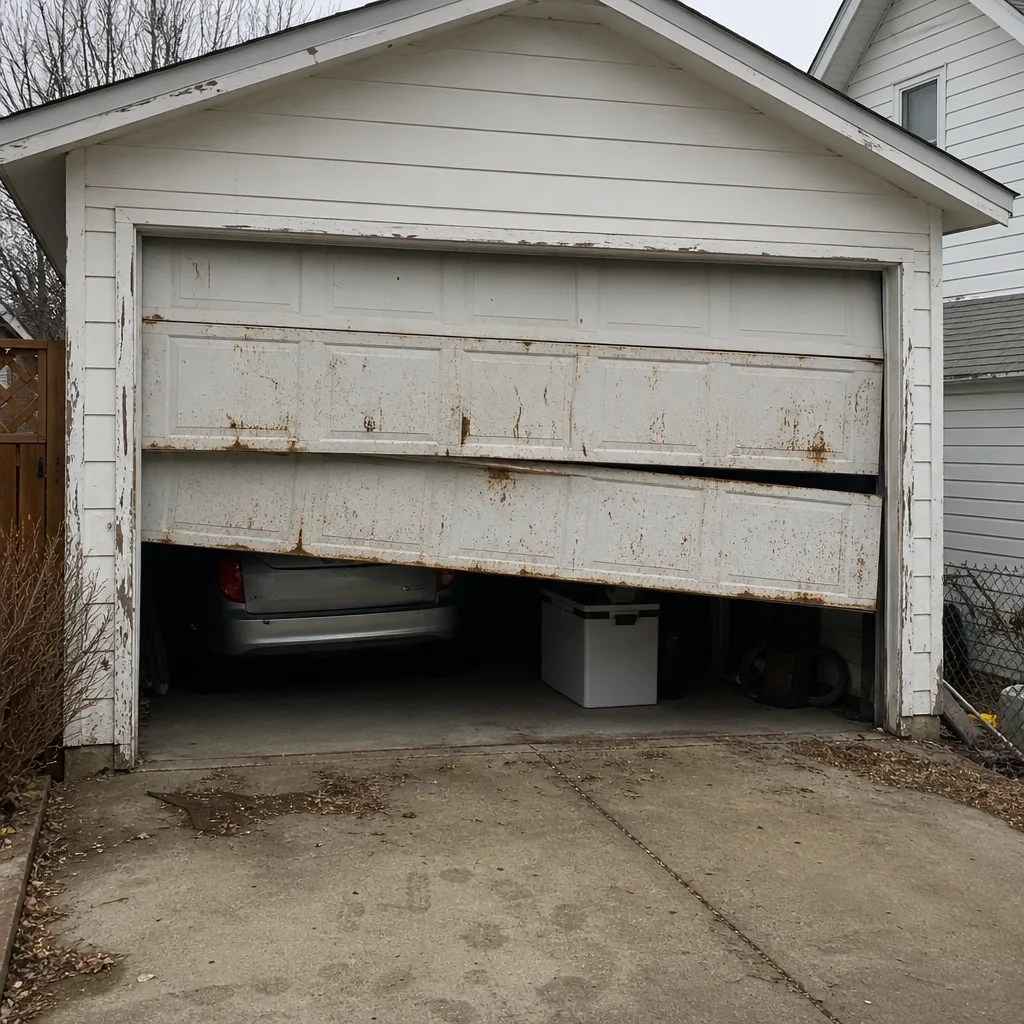
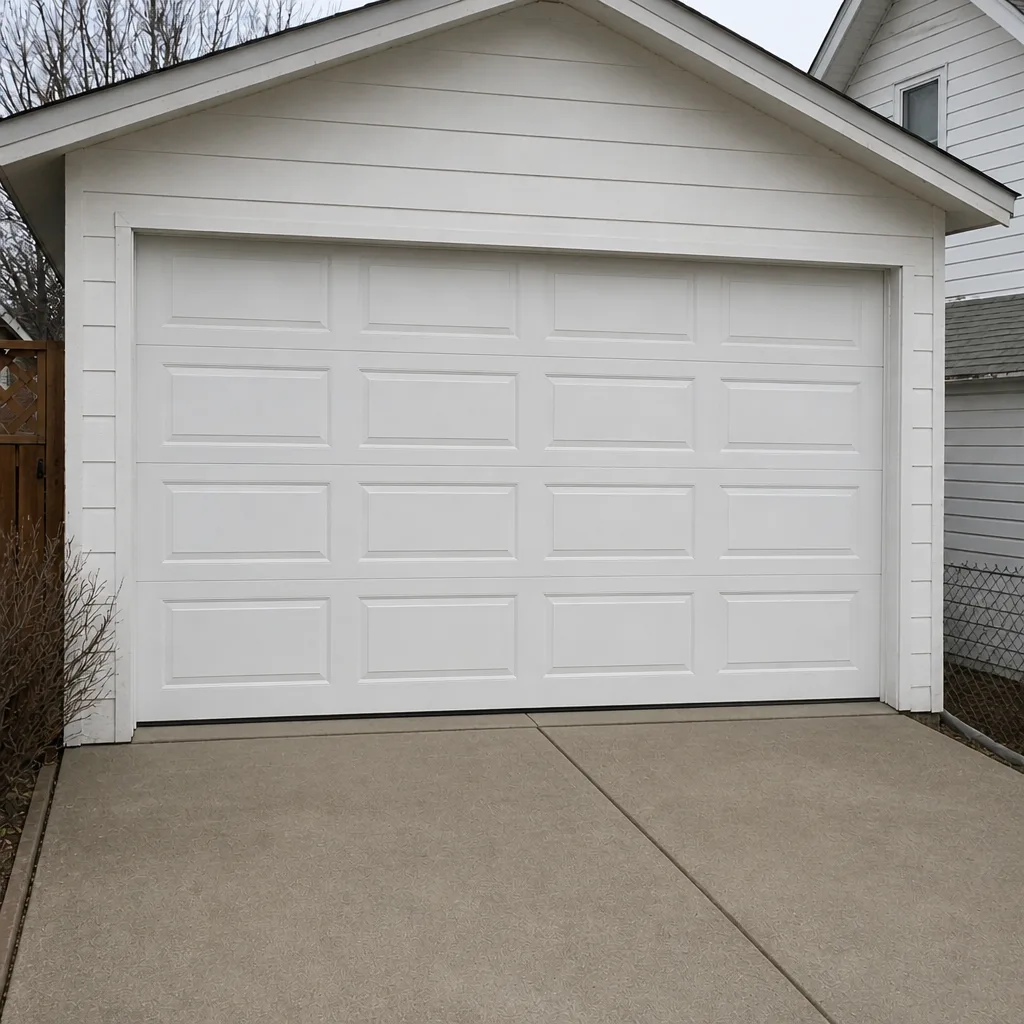
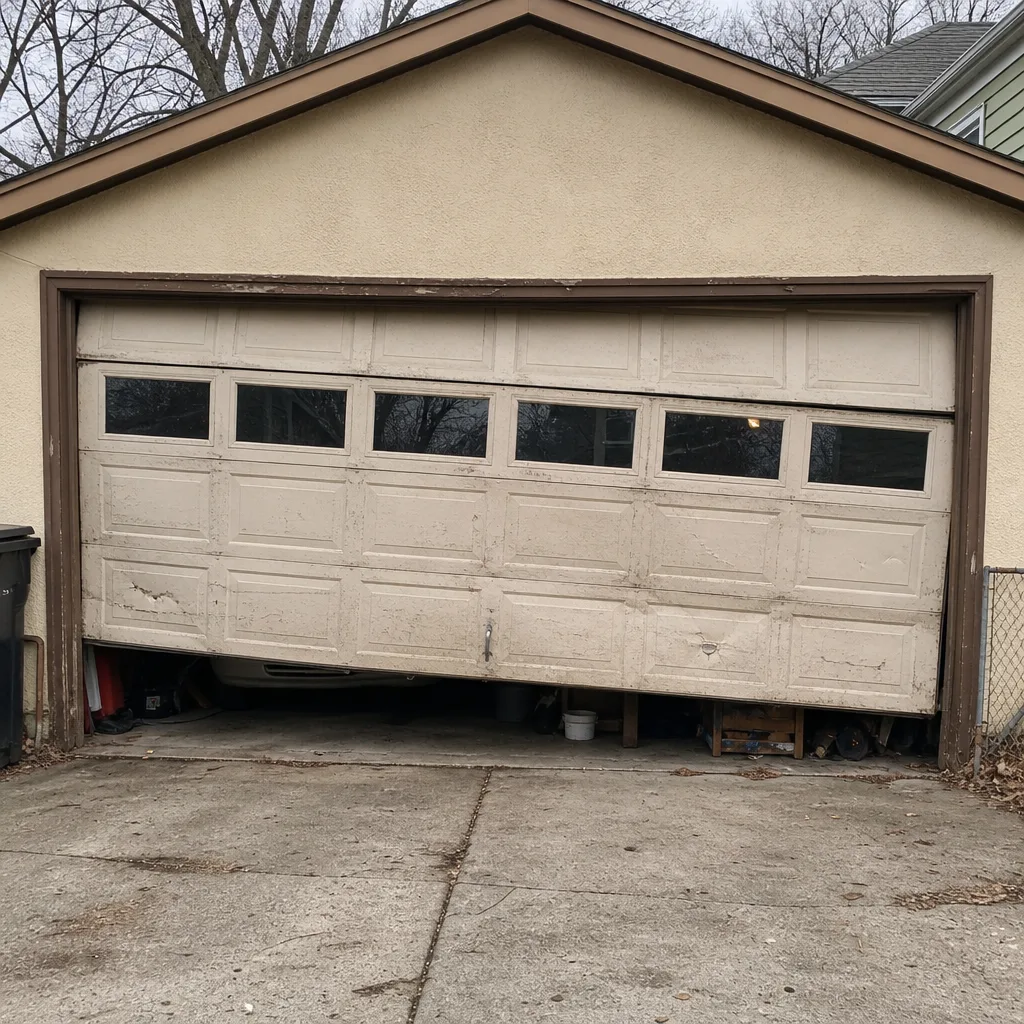
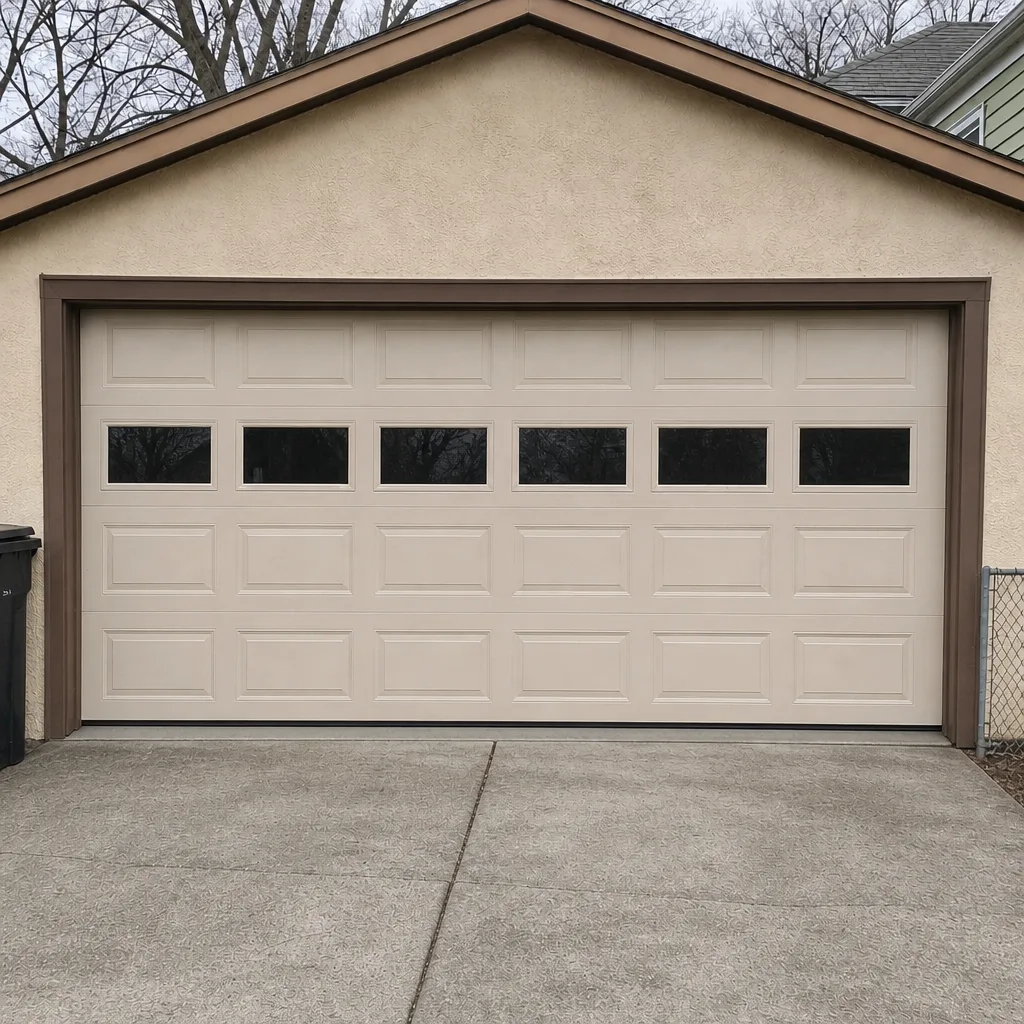
See the difference
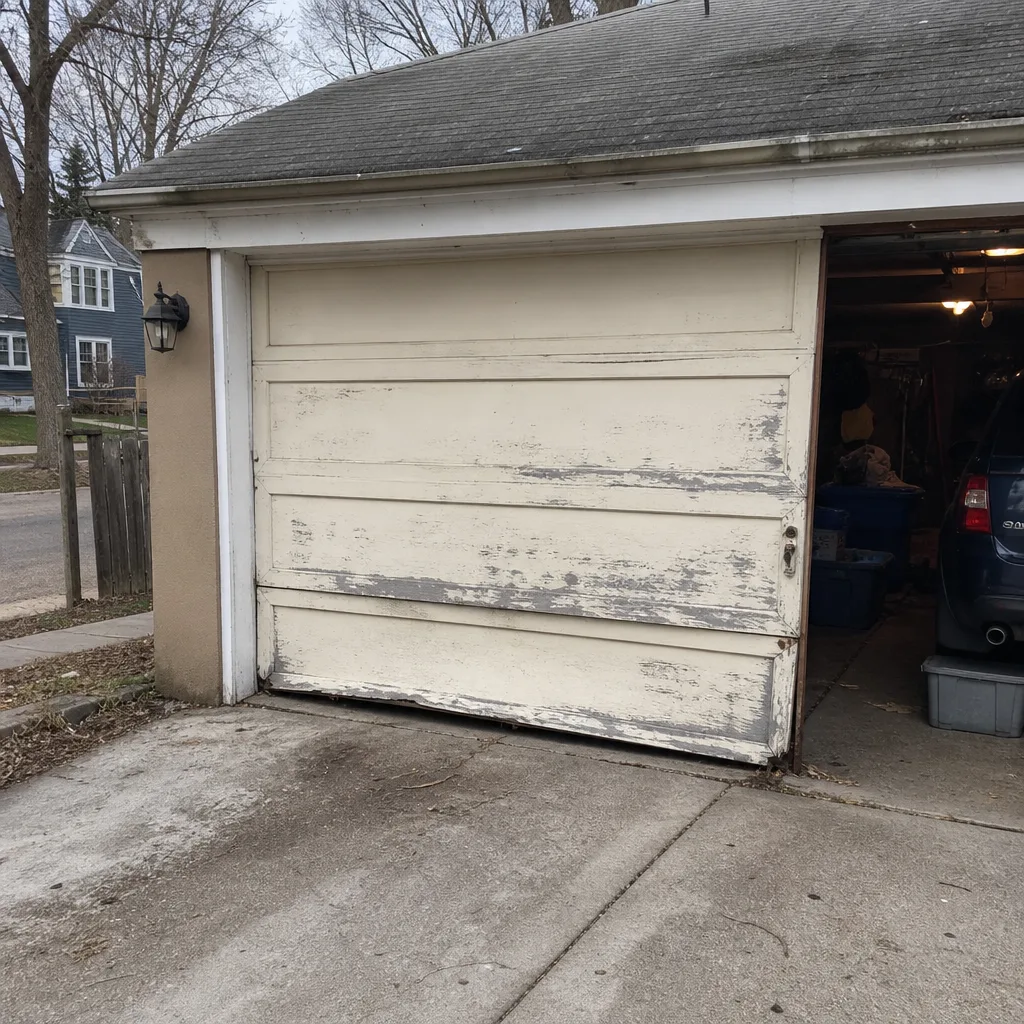 Before
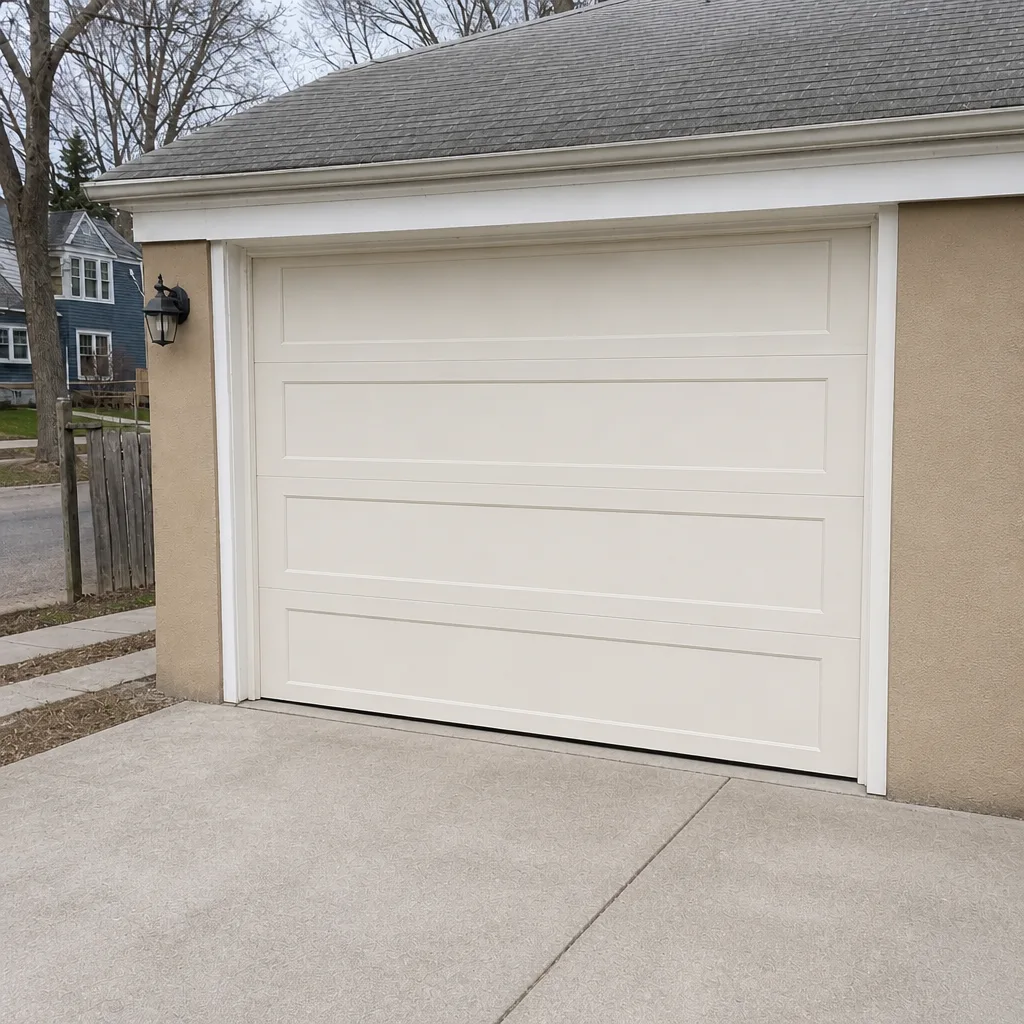 After
 Before
 After
 Before
 After
When to Call a Professional
Call a professional if you find a broken or slack spring, a door that won’t lift smoothly by hand, a track that has clearly shifted out of plumb, or a bottom seal that’s torn beyond a simple swap. A door that reverses for no reason, an opener that struggles or grinds, or any noise that’s new since last season are all worth a call. These aren’t tasks to troubleshoot alone, because the dangerous parts are the springs and the opener mechanics under load. Garage Door Repair Hamline-Midway offers free estimates in Hamline-Midway; call (855) 771-4075 and we’ll take a look. We work on the brand already in your garage, so whether it’s a Wayne Dalton, a Craftsman, or a LiftMaster system, you won’t be explaining your door from scratch.
Frequently Asked Questions
March is the hardest season, not February. The freeze-thaw cycling that happens at the threshold does more damage to bottom seals, weatherstripping, and track alignment in six weeks than the deep freeze does all winter. For a free seasonal inspection, call (855) 771-4075.
No. Spring adjustment is the most dangerous repair on a garage door, and cold weather makes it worse because metal tolerances change and tools can slip. Leave it to a trained technician with the right tools. Call (855) 771-4075 for a spring repair estimate.
Disconnect the opener with the emergency release cord, then thaw the ice with warm water or a heat gun aimed at the bottom seal. Never force it with a hammer or pry bar. If it still won’t lift by hand after thawing, the springs are compromised. Call (855) 771-4075.
Close the door and run your hand along the bottom seal. If you feel gaps, see tears, or the seal looks compressed and stiff, it needs replacing. The March thaw is the right time to check. Call (855) 771-4075 for an estimate.
It helps, but the core seasonal checks are the same for any brand. What changes is how the opener responds to stress, so knowing whether you have a Chamberlain, Genie, or LiftMaster helps a technician diagnose faster. We service eight major brands. Call (855) 771-4075.
Yes, and it’s the season most homeowners skip. UV dries out the rubber seals, wood panels expand in humidity, and landscaping grows into the photo-eye sensors. A quick summer check catches these before they turn into fall repairs. Call (855) 771-4075 for a free estimate.
The Bottom Line
Seasonal garage door care in Hamline-Midway isn’t a spring-and-fall routine. It’s four checkpoints timed to four real stress periods: the fall window for safe spring adjustment, the winter protocol for a frozen door, the March thaw inspection that catches seal and track damage early, and the summer pass for UV and moisture. A 15-minute log makes all four easier and gives any future technician a head start. Skip the DIY spring work and force nothing frozen. When something turns up, Garage Door Repair Hamline-Midway offers free estimates and handles the repair, the opener, or a full replacement in one call. Call (855) 771-4075 for a free estimate.
Written by the team at Garage Door Repair Hamline-Midway.