Last updated November 21, 2026
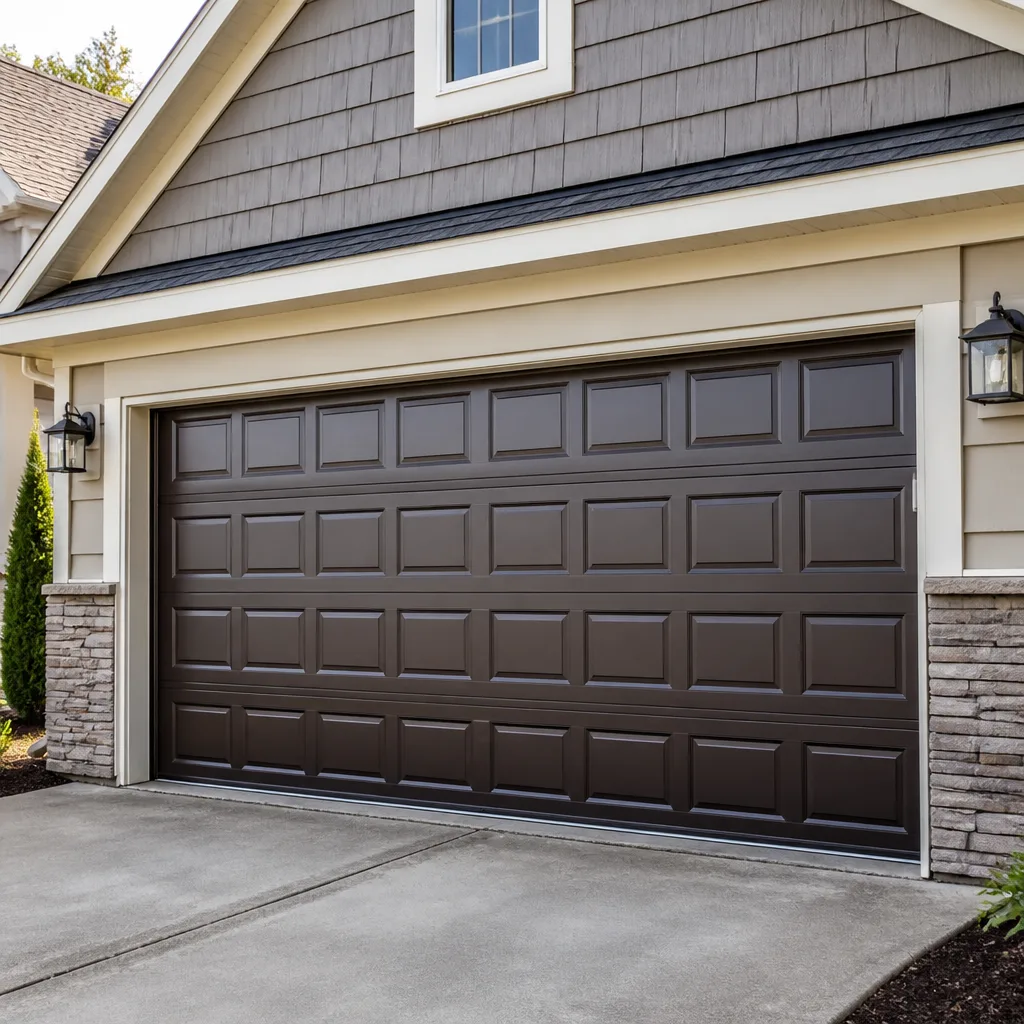 Raised-panel steel
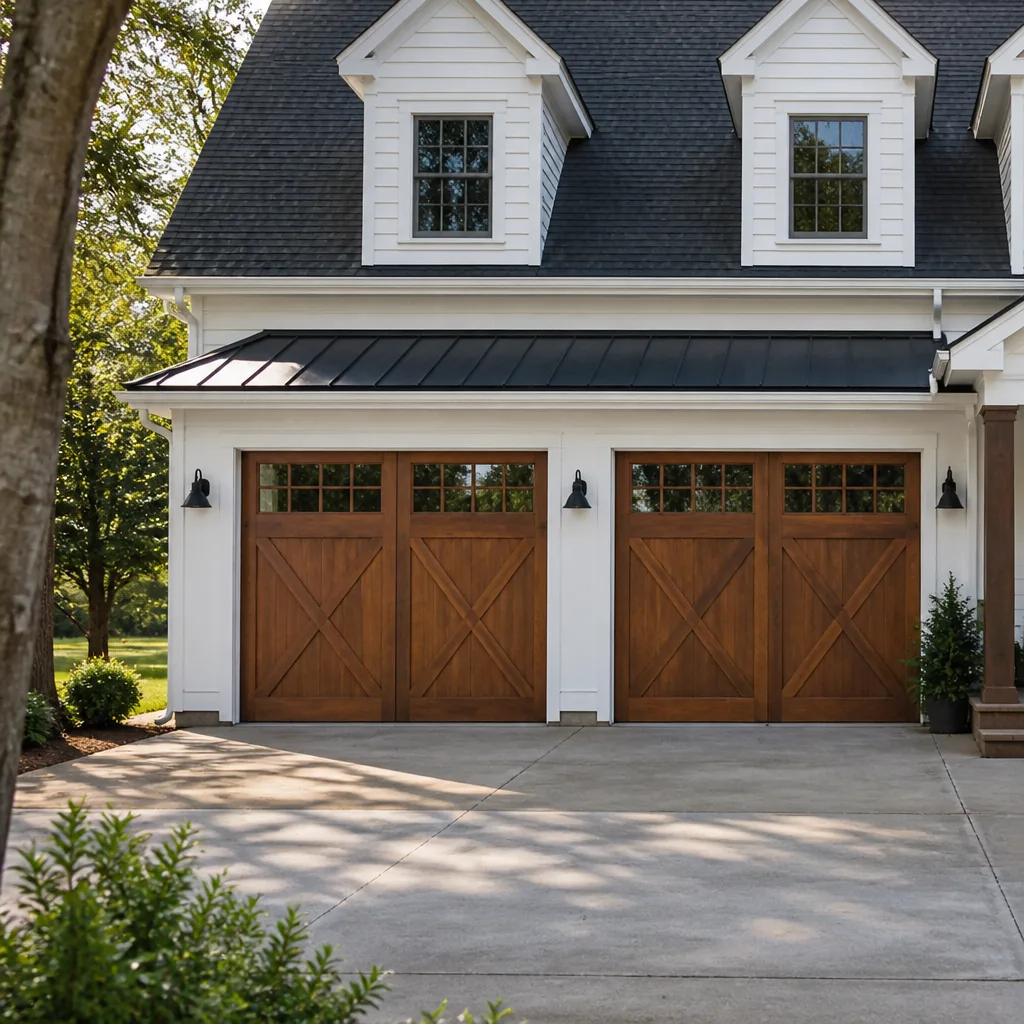 Carriage house
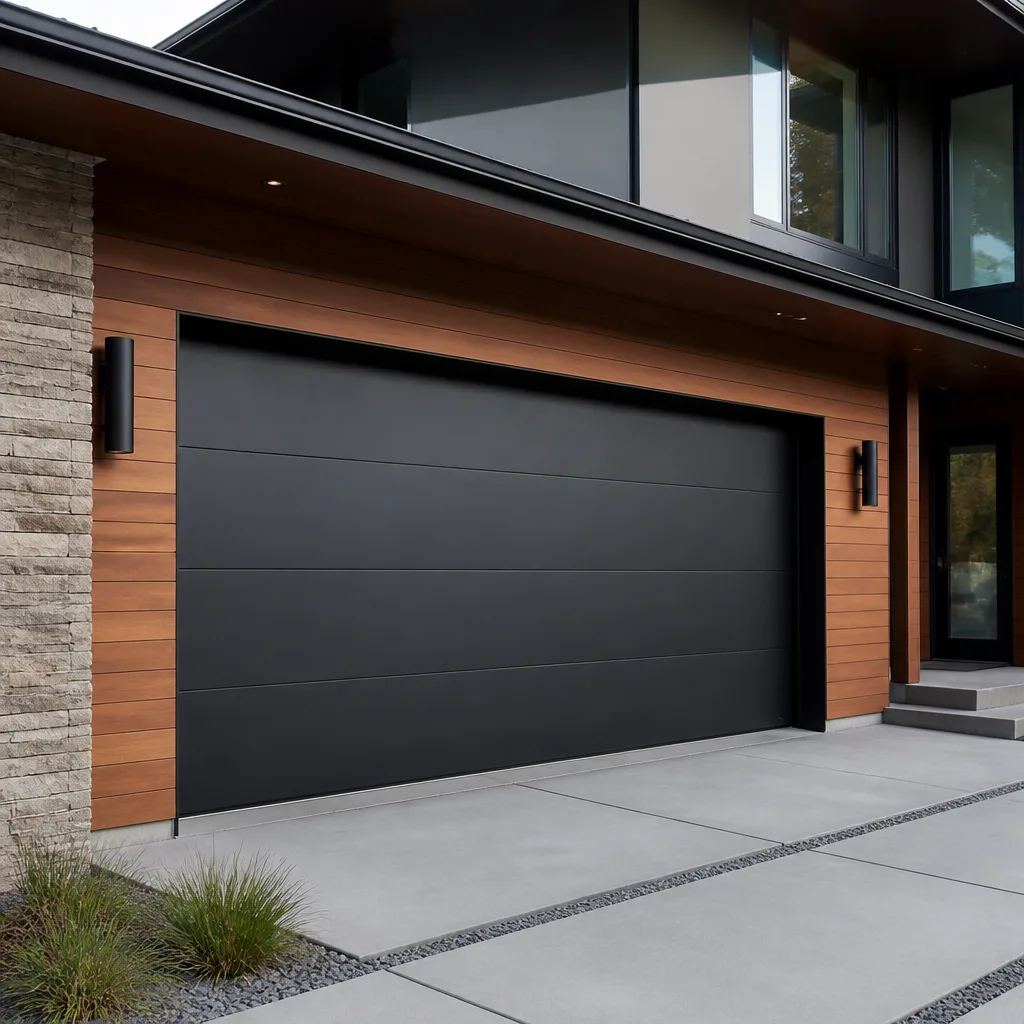 Modern flush
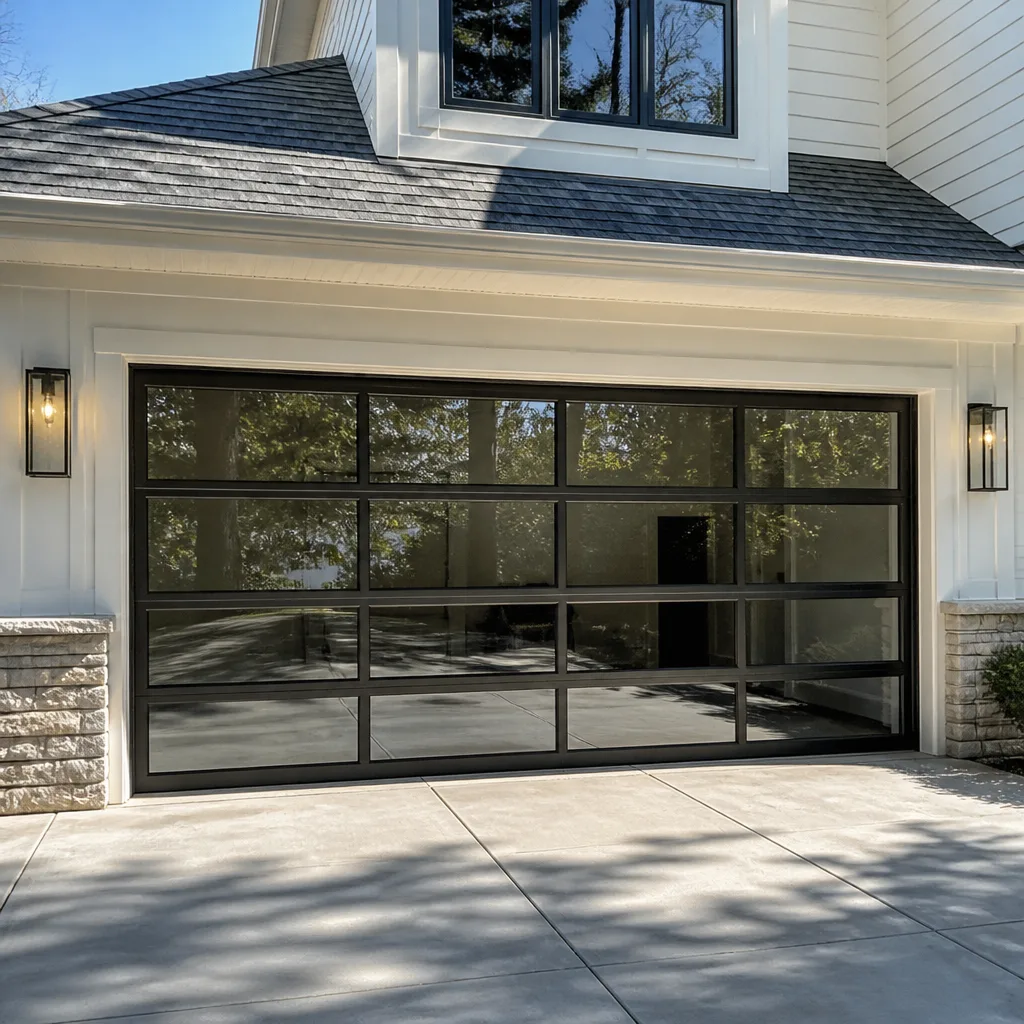 Full-view glass
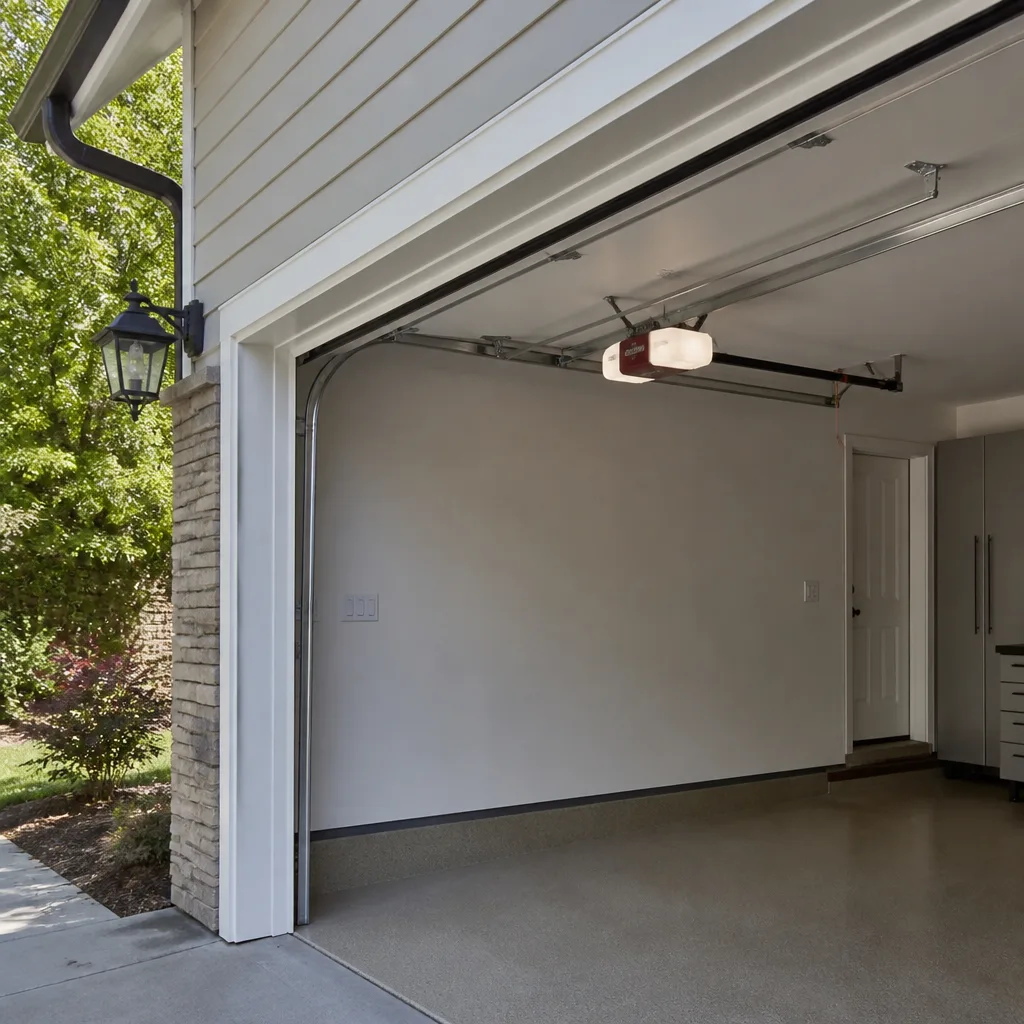 LiftMaster openers
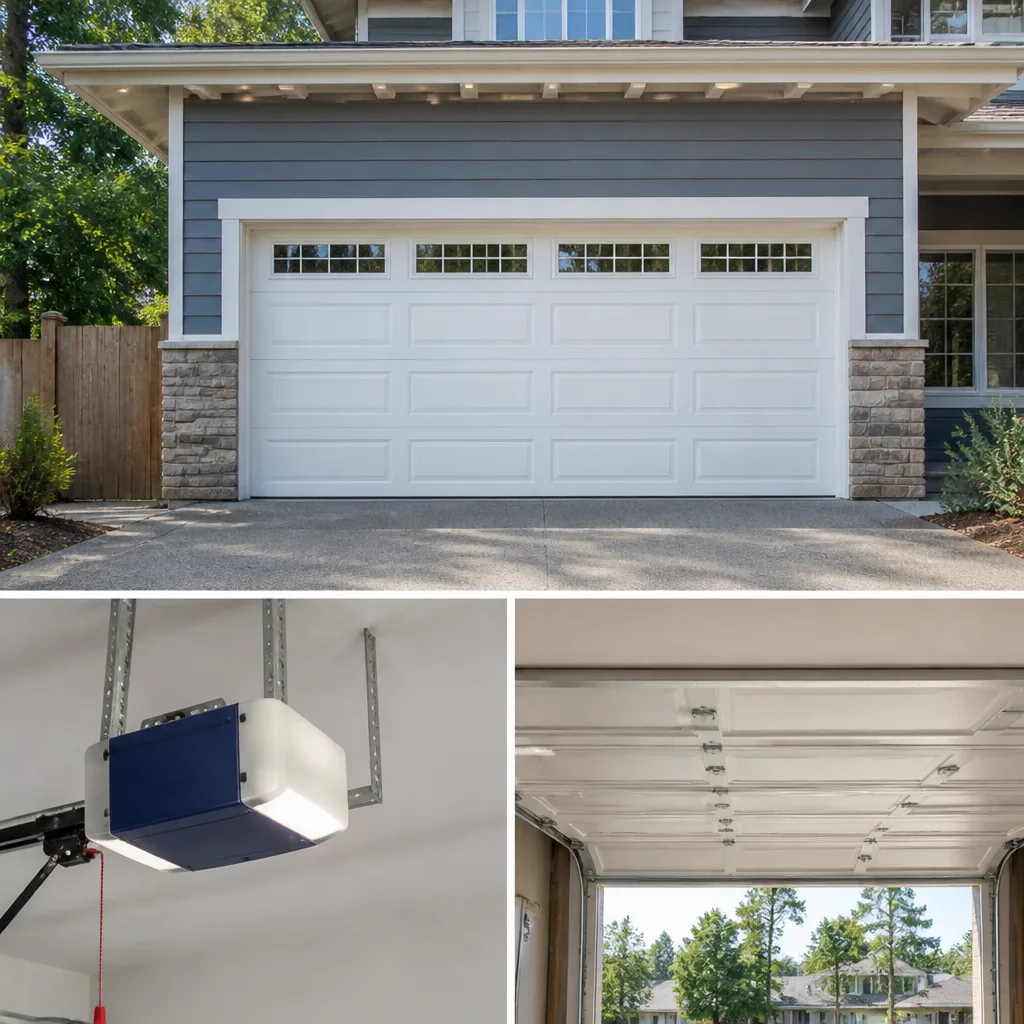 Chamberlain openers
Full 25-point door and opener safety check with every visit - springs, cables, rollers, tracks, and your LiftMaster or Chamberlain opener included
You get a price before we start. It does not change when the pro arrives.
Get your free estimateChoosing the Right Garage Door Brand: A Buyer’s Guide for Hamline-Midway
The best-looking door in the showroom might be the worst choice for a Minneapolis winter if the bottom seal compound goes brittle below 0°F. That spec isn’t on the brochure. Most garage door buying advice is driven by style catalogs and builder pricing, and both leave out the things that actually decide whether a door works in Hamline-Midway ten winters from now: how the panels are built, whether the hardware is stocked anywhere near you, and what the warranty actually covers when something fails. This guide gives you the technician’s view. We’ll walk through cold-weather engineering, local parts availability, warranty fine print, and which panel profiles match the craftsman and bungalow housing stock around Hamline-Midway without a custom-order price tag.
Quick Answer
For Minnesota cold, the best garage door brand is the one that specifies thermally broken steel sections, low-temperature-rated bottom seals, and hardware that local suppliers keep in stock. In practice, that means a well-specified Clopay or Amarr door paired with a LiftMaster or Chamberlain opener, installed by someone who reads the engineering data. Brand name matters less than those three details, and the written estimate should spell them out before you sign anything.
Table of Contents
- Why cold weather should drive your brand choice
- Thermal breaks and seals: what to look for in the spec sheet
- Parts availability in the Twin Cities: what’s stocked and what isn’t
- Warranty fine print for brands sold in the Saint Paul metro
- Matching Hamline-Midway housing stock without custom pricing
- The technician’s view on brand reliability after the sale
- Opener brands: the half of the system homeowners forget
- A step-by-step way to choose your brand
Why Cold Weather Should Drive Your Brand Choice
Garage doors in Hamline-Midway face a specific combination of conditions: repeated freeze-thaw cycles, snow that gets packed against the bottom seal, and temperatures that swing from the mid-30s to below zero within a week. That cycle is harder on a door than steady cold. Metal expands and contracts, seals flex and stiffen, and any moisture that gets into a hinge or roller assembly freezes in place.
Most garage door marketing photos are shot in warm climates on doors that never see a Minnesota January. The spec sheet is where the real decision lives. A few things actually matter here:
- Section construction. Steel sandwich doors with a bonded insulation core handle thermal movement better than single-sheet steel, which oil-cans (pops in and out) with temperature swings.
- Bottom seal compound. Standard PVC seals go stiff around freezing. EPDM and vinyl blends stay pliable at lower temperatures. Ask specifically.
- Paint and finish. Factory-baked finishes hold up to road salt spray tracked in on tires far better than field-painted steel.
- Hardware grade. Nylon rollers and heavy-gauge hinges survive freeze-thaw cycling longer than the stamped steel parts that come on builder-grade doors.
None of this is glamorous. It’s the difference between a door that runs quietly through February and one that starts groaning and sticking. When we look at a garage door in Hamline-Midway, the first thing we check is section construction and seal condition, because those two items tell us more about how the door will age here than the brand decal on the bottom panel.
Thermal Breaks and Seals: What to Look for in the Spec Sheet
A thermal break is a separation between the inner and outer steel skins of a door section, usually a piece of non-conductive material that stops cold from moving straight through the metal. Doors without one act like a big steel radiator, and the interior skin gets cold enough to condense moisture. Over a few winters, that moisture finds its way into seams and hardware.
Some manufacturers publish their thermal break construction clearly in the product literature. Others don’t disclose it at all, and that silence is a signal. If the spec sheet doesn’t say “thermally broken” or “thermally separated,” assume it isn’t.
What to ask for directly
- Does the section use a thermal break between skins? Which material?
- What is the bottom seal made of, and what is its rated low-temperature flexibility?
- Are the hinges and rollers rated for exterior use in cold climates?
- Is the finish factory-applied and what does the warranty say about finish failure?
- Does the door ship with a perimeter seal, or is that a separate line item?
Clopay and Amarr both publish thermal performance data more openly than most, which is one reason we see them often in the Saint Paul metro on doors that were specified rather than builder-picked. Raynor also builds well-insulated sectional doors with published specs, though they show up less often on residential doors in this area. If a contractor can’t answer the seal composition question on the spot, that’s your answer about how carefully the door was chosen.
One more detail homeowners miss: the gap between the door and the frame. A great door with a poor perimeter seal still lets cold air and snowmelt in. When we handle garage door installation, seal quality gets as much attention as the door itself, because that’s where heat loss and ice buildup actually start.
Parts Availability in the Twin Cities: What’s Stocked and What Isn’t
Here’s a reality check that rarely makes it into brand comparison articles: the repair timeline for your door depends heavily on whether the part you need is sitting on a shelf within driving distance or has to ship from a factory. In the Twin Cities, the difference is significant. A torsion spring or a roller set is usually a same-day item regardless of brand. A proprietary opener logic board or a discontinued panel section is a different story.
Broadly, brands fall into three buckets for parts availability here:
- Widely stocked. LiftMaster and Chamberlain share a large portion of their parts ecosystem, and both have deep distribution in the Saint Paul metro. Common opener components are usually available locally.
- Well supported. Clopay, Amarr, and Wayne Dalton parts move through regional door distributors. Most common items can be sourced quickly, though less-common panel profiles may need an order.
- Order-dependent. Craftsman openers are no longer manufactured, so replacement parts come from aftermarket or remaining stock. Raynor parts are typically ordered through a dealer network. Neither is a problem, but plan on a longer timeline for anything non-standard.
This matters most for openers. Genie parts are generally available, but specific circuit boards and remotes vary by model generation. If your opener quits in January and the board has to be ordered, you’re looking at days without a working door. That’s why knowing your opener’s model number before you need it is worth the two minutes it takes to write it on the inside of the garage wall.
What to have ready before you call
- The opener brand and model number (on the back panel or ceiling unit).
- The door brand if you can find it (often on a sticker on the bottom section edge).
- Door width and height.
- What the door is doing: won’t move, moves unevenly, won’t close all the way, noisy.
That information shortens the diagnosis and, when a part is needed, tells us right away whether it’s a stocked item or an order. If you need garage door opener repair, having the model number ready can shave real time off the process.
Warranty Fine Print for Brands Sold in the Saint Paul Metro
Warranty coverage on garage doors is usually split into three parts: sections, hardware, and finish. They don’t all last the same length of time, and the conditions that void coverage are more important than the years listed on the brochure. Read the exclusions before you compare brands on warranty length.
The exclusions that catch Hamline-Midway homeowners most often:
- Installation not per manufacturer specification. If the door was installed with the wrong track spacing, wrong spring tension, or without the specified anchors, the manufacturer can decline a claim. This is the single most common void.
- Finish damage from road salt. Some finish warranties exclude corrosion from de-icing salt tracked in on vehicles. Read that clause carefully in Minnesota.
- Unauthorized modifications. Adding a strut, changing springs, or swapping hardware outside the spec can void hardware coverage.
- Improper maintenance. Most warranties require periodic lubrication and adjustment. Keep a record.
- Transferability. Some brands transfer the warranty to a new homeowner, some don’t. This matters if you plan to sell.
How a claim actually goes
The process is rarely a phone call that ends in a new part. Typically, a claim requires documentation of the original installation, proof of purchase, photos, and an inspection by an authorized party. Clopay and Amarr both run claims through their dealer networks, which usually means working with whoever installed or services the door. LiftMaster and Chamberlain handle opener warranty claims through their own support channels with serial number verification.
Our practical advice: keep the original installation paperwork, the model and serial numbers, and a short maintenance log. If you’re comparing brands on warranty, compare the exclusions, not the headline years. A shorter warranty with clean terms often serves you better than a long one full of conditions you can’t meet.
Matching Hamline-Midway Housing Stock Without Custom Pricing
Hamline-Midway has a lot of bungalows, craftsman-style homes, and mid-century builds, and the door profile matters to how the house reads from the street. The good news is that standard panel profiles from the major manufacturers match this housing stock well, so you don’t need a custom door to get the look right.
What tends to work:
- Short raised panels in a four-across layout for bungalows, which reads closer to the original door than a long panel design.
- Carriage-house style with decorative hardware for craftsman homes, where the door is meant to echo a swing-door look.
- Flush or ribbed steel for mid-century homes, which often had simpler door designs to begin with.
- Window placement that follows the architecture. Top-section windows on a bungalow look intentional; a full row of windows on a low-pitched mid-century garage can look out of place.
Clopay and Amarr both carry panel profiles that fit these patterns at standard pricing. Wayne Dalton offers a broad style range too. The key is to have the installer confirm the panel layout and window configuration in the written estimate, not just a color and a size, because “raised panel” alone doesn’t tell you whether the door will match the house.
Color is a separate decision. Dark colors absorb heat and can raise panel surface temperatures in summer, which stresses the finish; lighter colors are generally more forgiving in a climate that swings both ways. If the door faces the street and the sun hits it directly, factor that into the choice.
If the door is past its service life and the panels are failing, matching a new door to the house is a more straightforward conversation than patching. Our Garage Door Repair Hamline-Midway pages cover how we assess whether a door is worth repairing or replacing, and a free measure gives you a written price either way.
The Technician’s View on Brand Reliability After the Sale
Marketing doesn’t tell you which doors generate repeat service calls. The pattern does. In our experience working on the brands in this guide, a few consistent themes show up over and over.
Doors that tend to hold up between visits: Clopay and Amarr sections hold their shape and finish well, and their hardware tends to last. LiftMaster openers, particularly the belt-drive models, run quietly and don’t usually need mid-life intervention beyond the usual maintenance. Raynor doors are built solid, and the units we see in the area tend to age well.
Doors that generate more service calls: Builder-grade Wayne Dalton doors with stamped hardware and thin-gauge hinges tend to loosen and wear faster. Older Chamberlain and Genie openers with plastic drive gears are common sources of “it hums but doesn’t move” calls. Craftsman openers, no longer manufactured, increasingly need aftermarket parts, and the fit isn’t always clean.
The reliability picture changes as soon as you get into the high cycle counts. A door that runs four times a day for 15 years sees more cycles than one that runs once, and the hardware grade matters more than the brand name. The single biggest thing you can do for reliability is have the door serviced before it starts misbehaving, because a spring that’s worn to the edge of its cycle life gives no warning before it snaps.
Opener Brands: The Half of the System Homeowners Forget
Most buyers spend their time on the door and treat the opener as an afterthought. It’s the other way around for reliability. The opener decides whether your door opens when you need it. LiftMaster and Chamberlain share most of their engineering, and their newer models handle cold well; Genie and Craftsman cover the budget end of the market with more variability in the low-temp performance of their plastic drive components.
Three things to check on any opener in a cold climate:
- Drive type. Belt drive runs quieter than chain. Screw drive handles cold reasonably well but is louder. Jackshaft openers are worth considering for low-clearance garages.
- Battery backup. Increasingly standard, and useful when power drops in a storm. Confirm it’s included in the model you’re quoted.
- Safety reverse. Every opener has a photo-eye system. Test it monthly by placing a box in the door’s path. If the door doesn’t reverse, stop using it until it’s serviced.
If your opener is on its way out, getting a free estimate on a replacement before it fails is cheaper and less stressful than a winter breakdown. If it’s already failed, our garage door repair service covers both the door and the opener, so one visit handles both.
A Step-by-Step Way to Choose Your Brand
Here’s the process we’d walk a Hamline-Midway homeowner through if they asked us directly. It takes about 20 minutes of questions, and it eliminates most of the marketing noise.
- Start with the house, not the catalog. Identify the dominant architectural style on your block. Bungalow, craftsman, and mid-century each point to specific panel profiles.
- Ask what the door will face. Direct sun exposure, snow accumulation against the door, and whether the garage is attached or detached all change the spec.
- Check the cold-weather specs. Thermal break, bottom seal compound, hardware grade. Get answers in writing, not “standard construction.”
- Confirm local parts availability. For openers especially, ask what happens if a component fails: is it stocked locally or ordered?
- Read the warranty exclusions. Focus on installation specification, salt damage, and transferability.
- Get a written, itemized estimate. Door, seal, hardware, opener (if included), track, and labor should each be a line item. The written quote is the price.
- Confirm the installation standard in writing. How many anchors, how the seal is set, how the spring tension is set. This is what preserves your warranty.
The quoted price should always be agreed before any work starts. That applies to a new door, a new opener, and a spring replacement equally. If a quote comes in as a single number with no breakdown, ask for one before you commit.
Common Mistakes to Avoid
- Buying on looks alone. A door that photographs well can have a bottom seal that stiffens below freezing. Ask about the seal compound before you ask about color.
- Ignoring the opener. The door and opener are one system. A well-specified door on a failing opener still leaves you stranded in the driveway.
- Choosing a brand because the parts are cheap. Cheap parts that fail in two years cost more than a mid-priced door with hardware that lasts. Reliability matters more than the initial line item.
- Not keeping the installation paperwork. Warranty claims hinge on documentation. Keep the estimate, the model and serial numbers, and any maintenance records together.
- Letting an installer set the spring tension “by feel.” Spring tension is set to the manufacturer’s specification for the door weight. Improvised tension shortens spring life and can void hardware coverage.
- Assuming a big-name brand means a big-name result. Brand is one factor; the installer’s skill and the spec of the specific model matter more than the decal.
- Waiting until the door fails. Cold weather surfaces existing wear. A fall service visit catches a worn spring before it snaps in January.
Styles & brands we work with
- Raised-panel steel
- Carriage house
- Modern flush
- Full-view glass
- LiftMaster openers
- Chamberlain openers
When to Call a Professional
Call a professional when the door won’t move, won’t close all the way, or moves unevenly. Call before you touch a torsion spring or cable at all; those components are under extreme tension and are genuinely dangerous to work on without training and proper tools. Call when the door makes a new noise that repeats, when the opener hums but doesn’t move the door, or when the safety reverse fails the monthly test. Call when a section is dented badly enough to bind against the track. And call if you’re in the middle of choosing a brand and the spec sheet isn’t giving you straight answers; a short conversation can save a lot of second-guessing. Garage Door Repair Hamline-Midway offers free estimates in Hamline-Midway. Call (855) 771-4075.
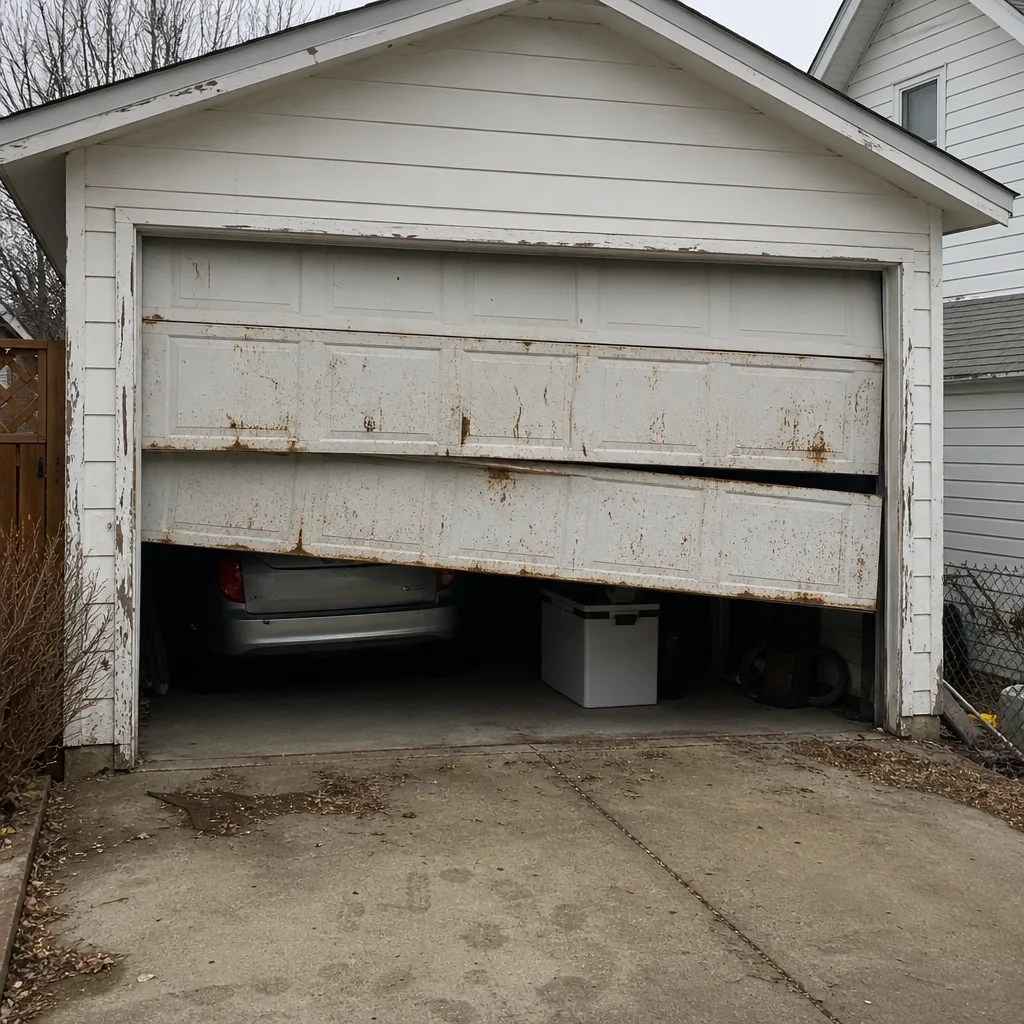
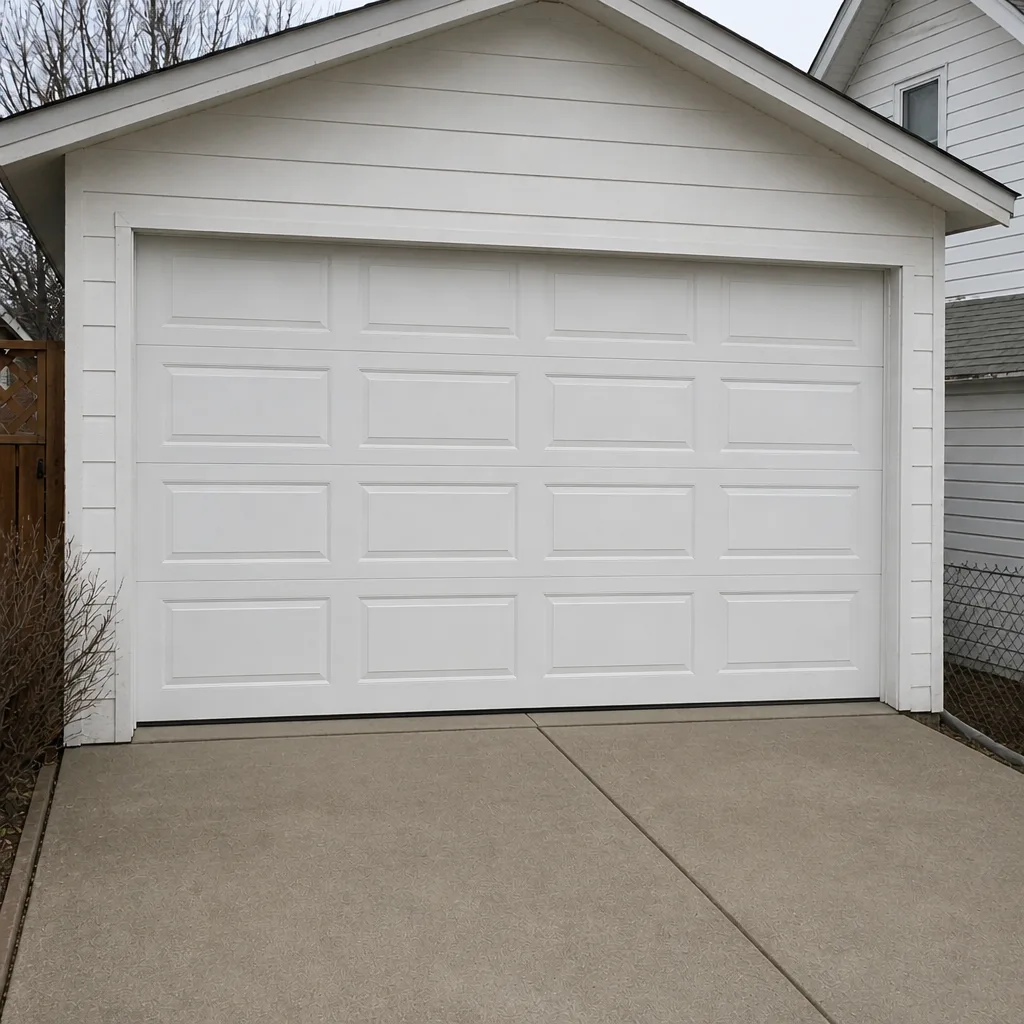
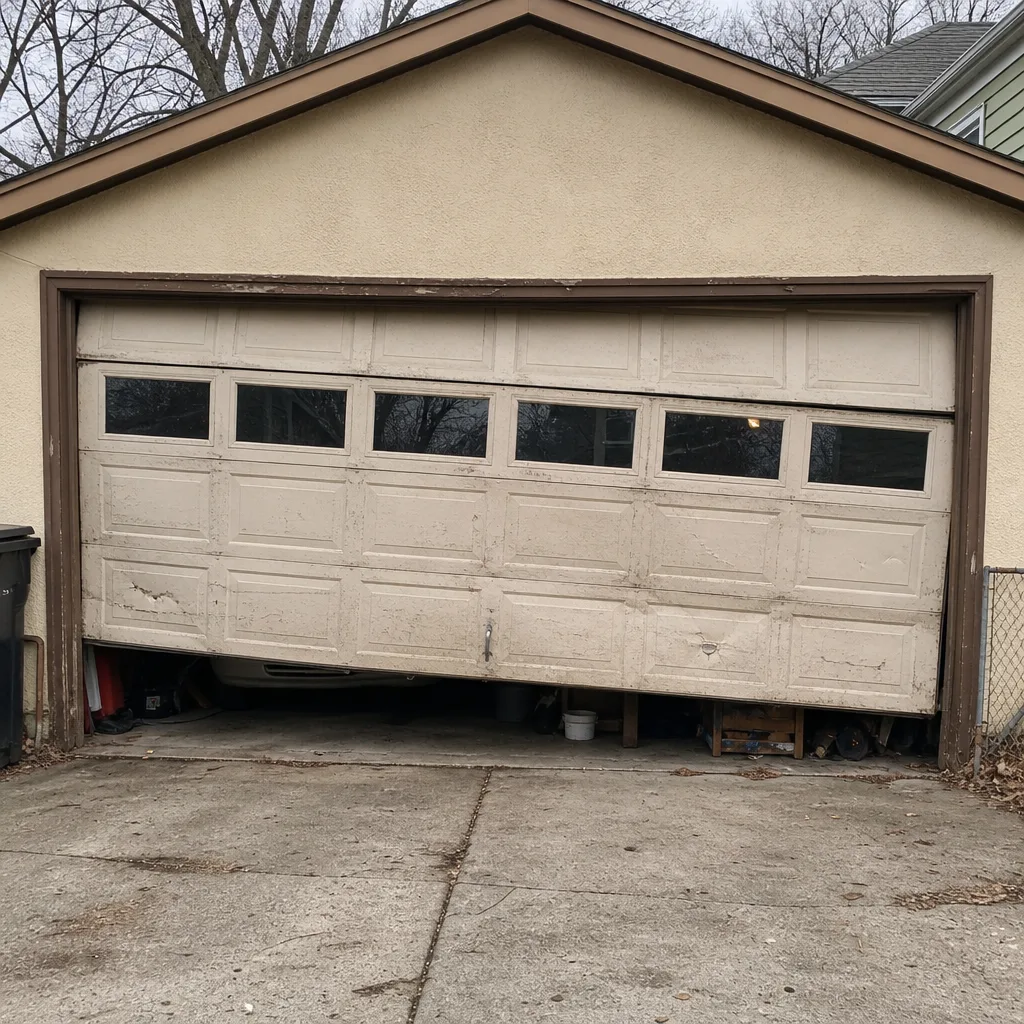
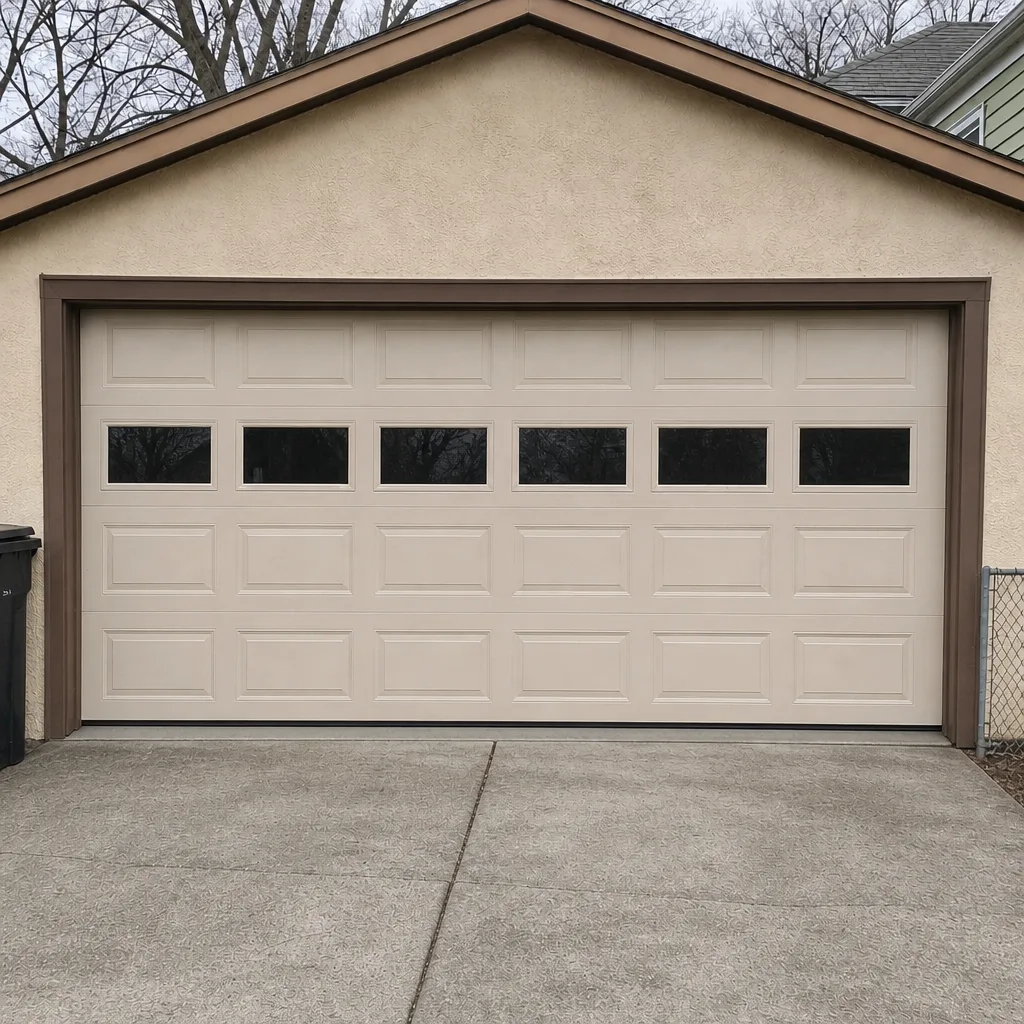
See the difference
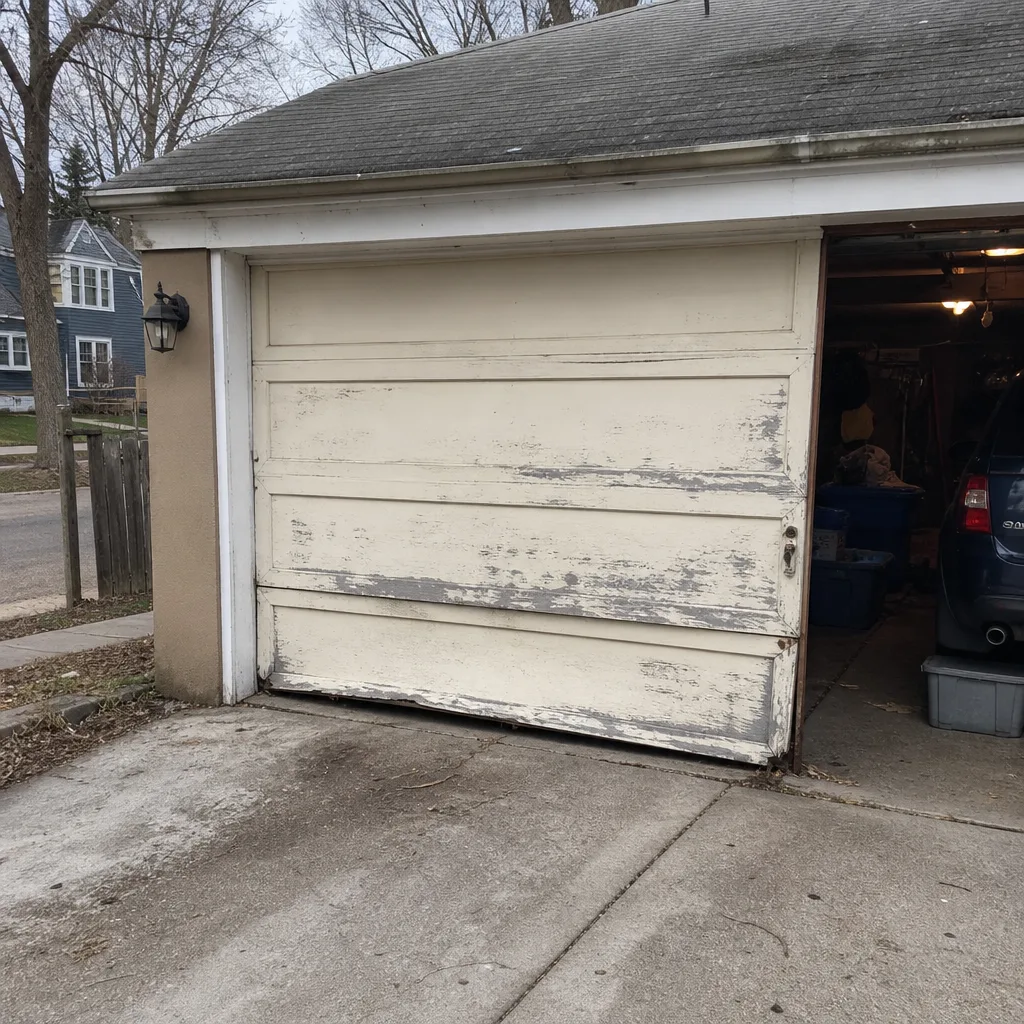 Before
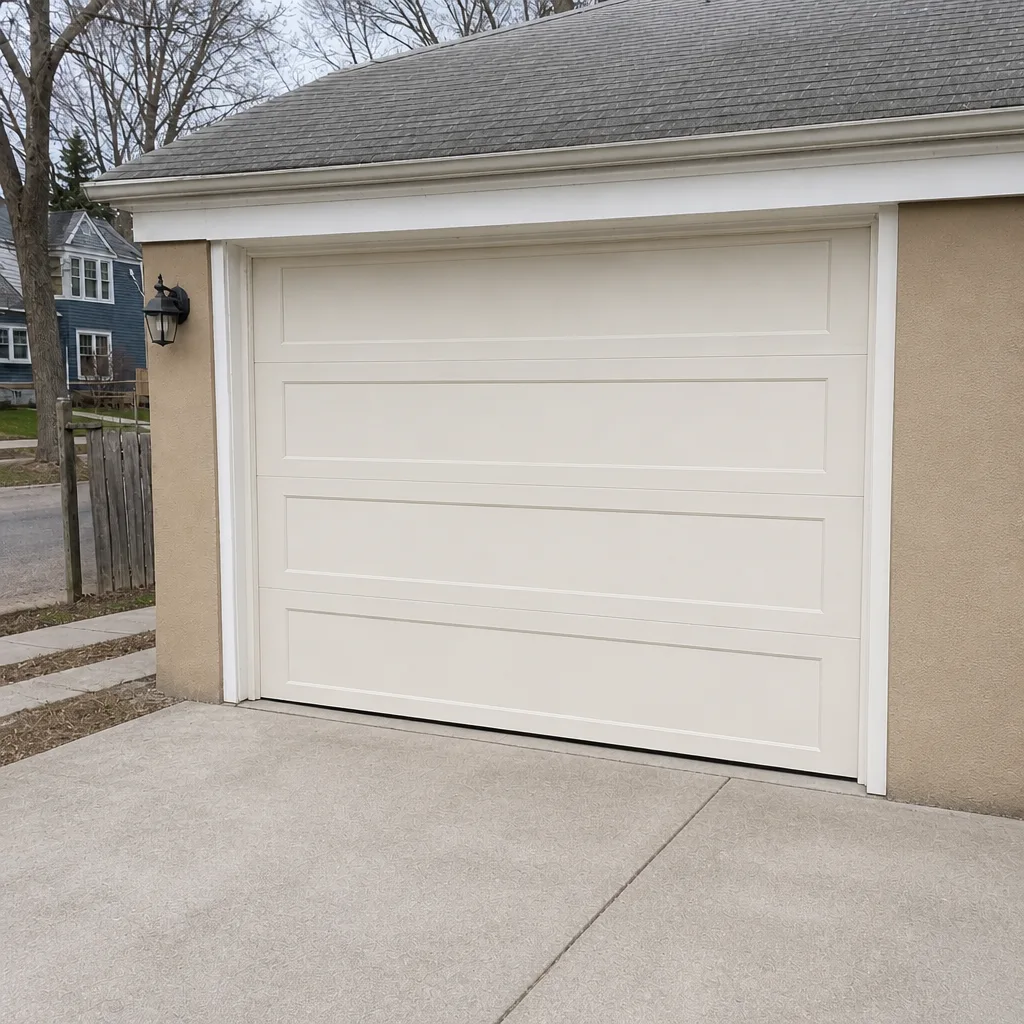 After
 Before
 After
 Before
 After
Frequently Asked Questions
Clopay and Amarr are consistent performers in Minnesota cold because they publish thermal break and seal specifications and their hardware holds up to freeze-thaw cycles. LiftMaster and Chamberlain openers pair well with either. The best choice depends on your specific door size, the garage’s exposure, and the panel profile that matches your house.
Yes. During Hamline-Midway winters, a door section without a thermal break conducts cold straight through the steel, and the inner skin condenses moisture that works its way into seams and hardware. A thermally broken section is worth asking about directly, and if the manufacturer doesn’t publish the specification, assume it isn’t there.
LiftMaster and Chamberlain opener parts are widely stocked in the Saint Paul metro. Clopay, Amarr, and Wayne Dalton parts are well supported through regional distributors. Craftsman and Raynor parts are typically order-dependent. That matters most when an opener board fails in the middle of winter, so ask before you buy.
No. The written estimate sets the price, and the price is quoted and agreed before any work starts. If a job turns out to involve something the estimate didn’t cover, that’s a conversation before work continues, not an invoice surprise afterward. Call (855) 771-4075 for a free estimate.
Typical spring repair in Hamline-Midway runs in the range you’ll see in a written estimate, and the price is agreed before any work starts. Torsion springs are usually replaced in matched pairs because a new spring paired with a worn one will wear faster. Call (855) 771-4075 for an exact quote; estimates are free.
The local professionals we connect you with are licensed and insured as their state requires. Our technicians have up to 8 years of experience, and every service call is garage door work specifically, not general handyman work. Call (855) 771-4075 if you want to talk through your door before scheduling.
The Bottom Line
Choose the door by its cold-weather engineering and its installer, not by the showroom photo. Verify the thermal break, the bottom seal compound, and the hardware grade in writing. Confirm that parts for your opener and door are accessible in the Twin Cities market so a repair doesn’t turn into a factory order. Read the warranty exclusions as carefully as the warranty length. Match the panel profile to your Hamline-Midway house so the door reads as part of the architecture. And get a written, itemized estimate with the price agreed before work starts. Do those five things and the brand name becomes a detail instead of a gamble.
If you’d rather have the conversation with someone who works on these brands every day, we’re glad to help. Garage Door Repair Hamline-Midway covers spring repair, opener repair, and full door installation, and we work on the brand already in your garage. Call (855) 771-4075 for a free estimate.
Written by the team at Garage Door Repair Hamline-Midway.