Last updated November 21, 2026
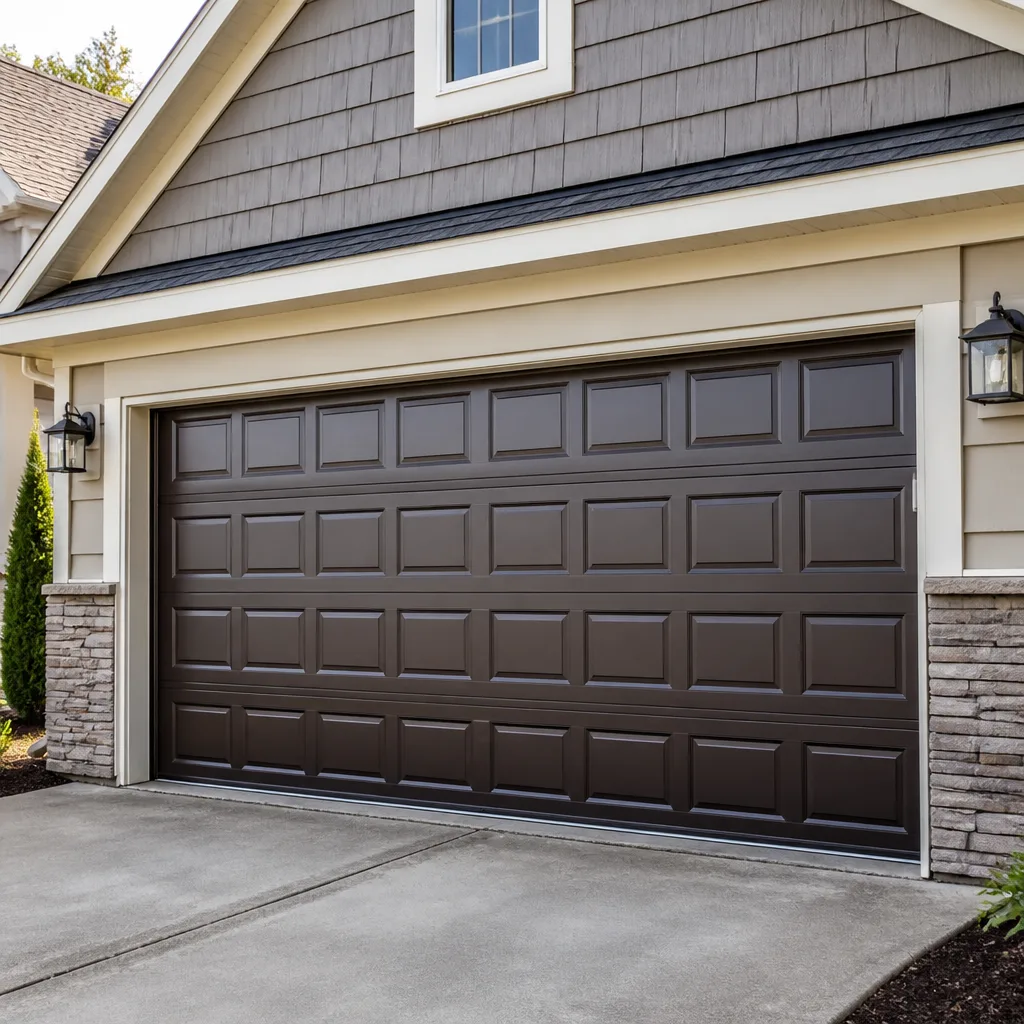 Raised-panel steel
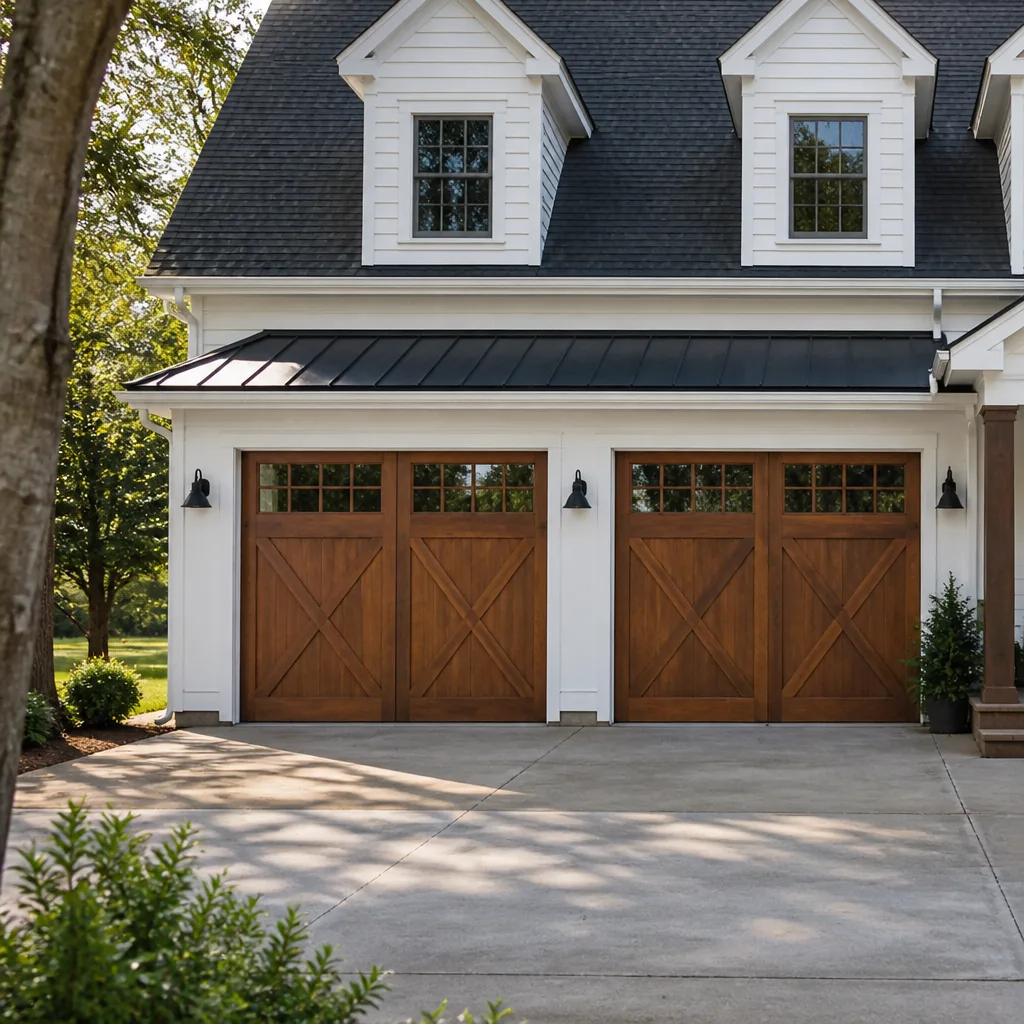 Carriage house
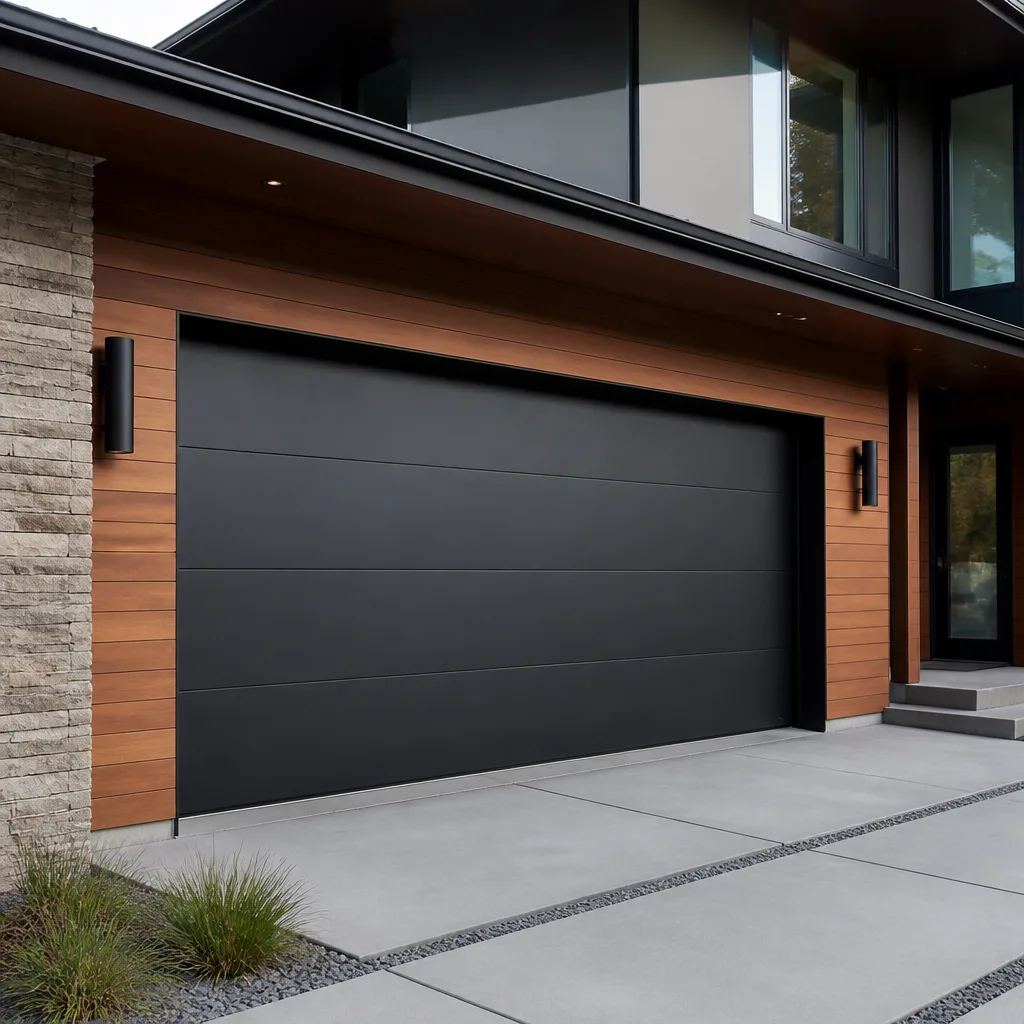 Modern flush
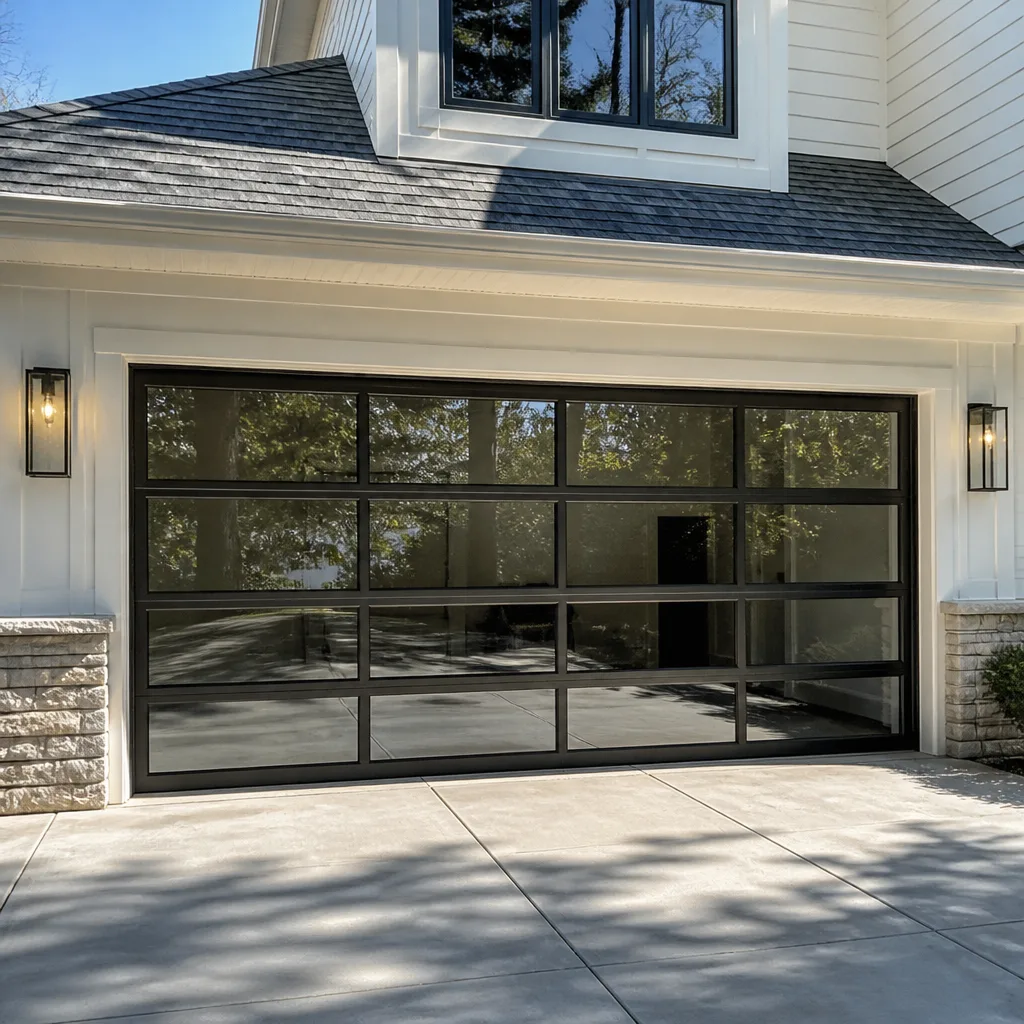 Full-view glass
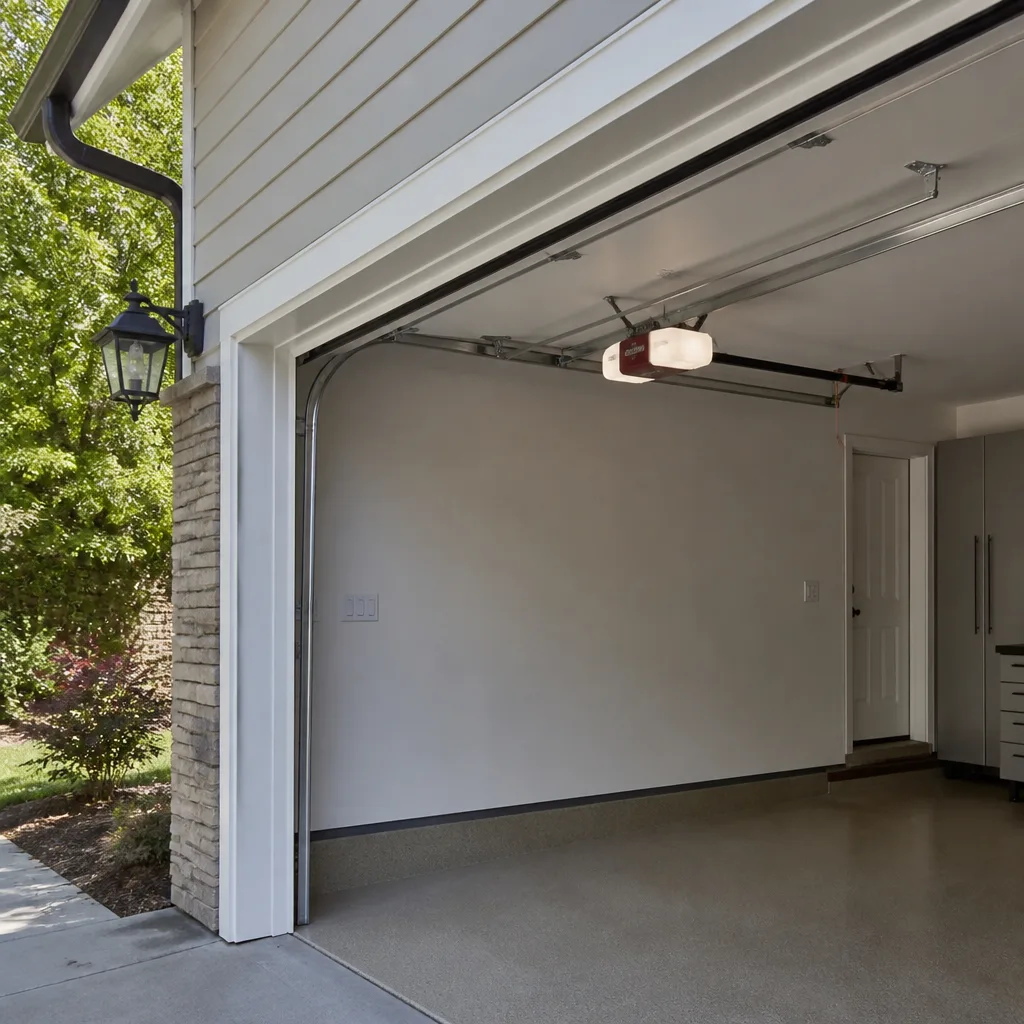 LiftMaster openers
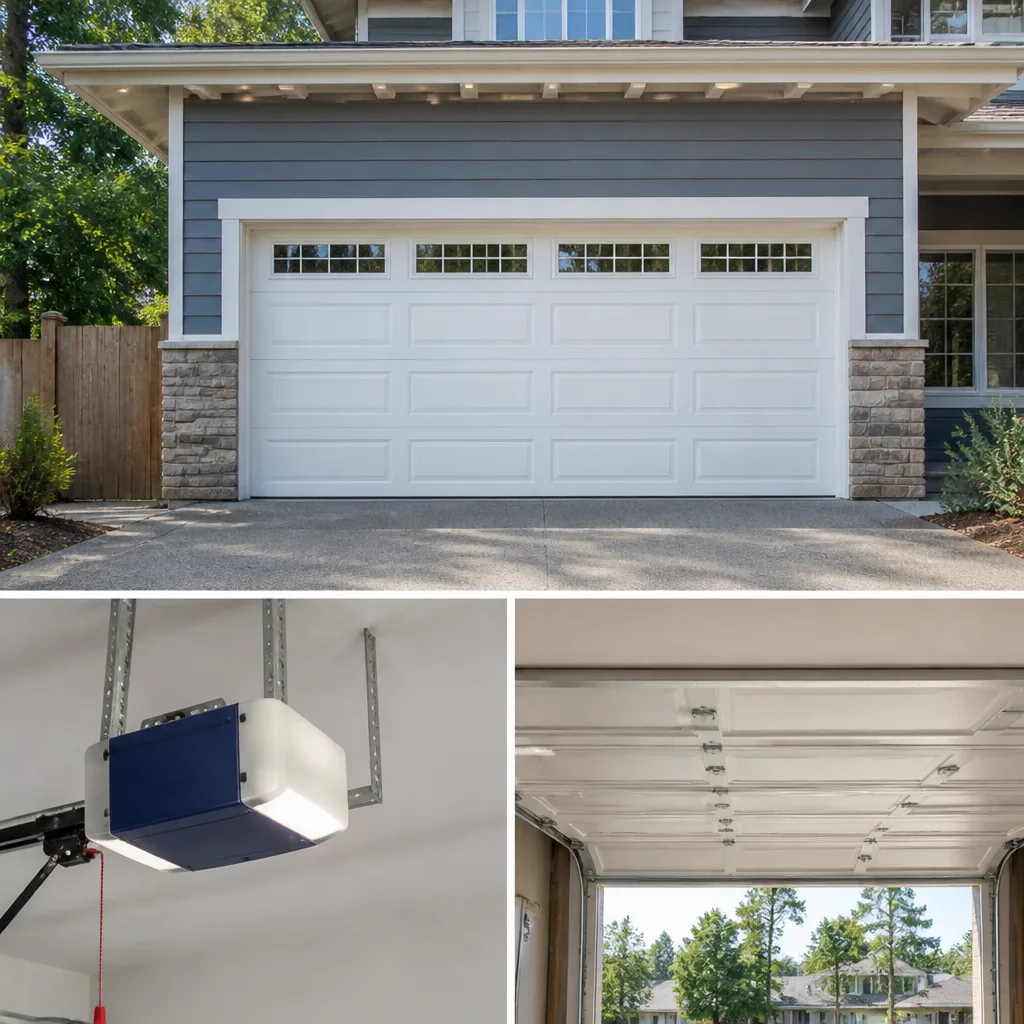 Chamberlain openers
Full 25-point door and opener safety check with every visit - springs, cables, rollers, tracks, and your LiftMaster or Chamberlain opener included
You get a price before we start. It does not change when the pro arrives.
Get your free estimateThe Complete Guide to Garage Doors in Hamline-Midway
Most garages in Hamline-Midway went up before the Second World War, and that single fact wrecks the advice you’ll find in most garage door guides. A door ordered to “standard” dimensions often arrives with gaps at the jambs, tracks that won’t sit square against a settled frame, and a torsion system fighting a structure that has been slowly shifting for eight decades. This guide maps every decision – sizing, material, insulation, opener placement, spring type – to the actual housing stock and weather of this neighborhood in Saint Paul. By the end, you’ll know what to measure, what to ask, and when a repair beats a replacement.
Quick Answer
A garage door project in Hamline-Midway usually starts with measuring the actual opening rather than trusting a standard size, because older alley-load and detached garages here rarely match modern specs. Budget for a free in-person measure, choose an insulated door if the garage shares a wall with living space or gets used year-round, and confirm the structure can carry a modern torsion spring before you buy anything. Repairs like a broken spring or a stubborn opener are common and usually straightforward; a full replacement is a measured, ordered, scheduled job rather than a same-day fix.
Styles & brands we work with
- Raised-panel steel
- Carriage house
- Modern flush
- Full-view glass
- LiftMaster openers
- Chamberlain openers
Table of Contents
- Why Hamline-Midway’s Housing Stock Changes Everything
- Alley-Load Garages: Width, Headroom, and Opener Placement
- Insulation and the 100°F Temperature Swing
- Steel, Wood, or Composite: Matching the Neighborhood
- Can Your Old Garage Support a Modern Torsion System?
- Brands, Parts, and What Makes Same-Week Repairs Possible
- Repair or Replace? A Decision Framework
- A Step-by-Step Walkthrough of the Whole Project
Why Hamline-Midway’s Housing Stock Changes Everything
The neighborhood sits along the Hamline-Midway corridor between Saint Paul’s Midway area and Hamline University, and the housing tells a story anyone who works on doors here recognizes immediately. Bungalows, four-squares, and small apartment buildings dominate, and many of them have detached garages reached by an alley. That layout is the opposite of a modern suburban subdivision where the garage is attached to the house, built to current dimensions, and squared to a fresh foundation.
What does that mean for a door project? Three things come up again and again in Hamline-Midway:
- Frames aren’t square. A garage built in the 1920s has had decades of frost heave, settling, and patch repairs. A rough opening that measured 8 feet when it was new may now be 7 feet 10 inches at one jamb and 8 feet 1 inch at the other. A door has to be built or trimmed to the opening you actually have.
- Headroom is tight. Older detached garages were often built with a low roofline. That limits which opener type fits and how a torsion spring and its shaft can be mounted above the door.
- Structural support is thinner than modern builds. The framing and header above an old garage door opening were sized for a light wooden door, not necessarily the heavier insulated steel or composite door a homeowner wants today.
None of this makes an old Hamline-Midway garage a lost cause. It just means the measure matters more here than it does in a newer neighborhood, and it’s why we tell anyone shopping for a door to get a free in-person measure before they fall in love with a style. The written estimate should always follow a real look at the opening, not a phone call. If you just need something fixed rather than replaced, our Garage Door Repair Hamline-Midway team can diagnose it first.
Alley-Load Garages: Width, Headroom, and Opener Placement
Alley-access garages are the defining feature of a lot of Hamline-Midway blocks, and they behave differently from attached suburban garages in ways that catch homeowners off guard. When your garage faces an alley, the door faces whatever the alley serves up: a narrower approach, tighter turning space, and often snow that gets plowed or piled against the door. That changes both the door and the opener you should choose.
Here’s how alley-load garages differ in practice:
- Single-wide doors are more common. Many alley garages are one-car structures with a door in the 8 to 9 foot width range. That’s narrower than the wide double doors typical of attached garages, and it means door style options are more limited. A lot of decorative designs simply aren’t made in narrow widths.
- Headroom often runs low. A flat or shallow-pitch roof leaves little room above the door. Traditional torsion spring systems need a certain amount of headroom to mount a shaft and springs above the door. When there isn’t enough, a low-headroom torsion setup or a different spring placement is required.
- Opener placement shifts. In an attached garage, the opener hangs from a ceiling near the house. In a detached alley garage, the opener has to work with whatever ceiling structure exists, and sometimes there’s no ceiling at all, just rafters. Rail-mounted openers and jackshaft (side-mount) openers solve different problems here.
- The approach matters for safety. An opener’s safety sensors and auto-reverse need a clear line across the opening. In a tight alley garage, stored items and irregular walls can interfere with sensor alignment, which is a common cause of a door that won’t close.
When we look at a Hamline-Midway alley garage, we check all four of these before recommending anything. A door that’s perfect for a wide suburban opening can be the wrong call for a narrow one-car alley garage, and an opener that works fine in a high-ceiling attached garage may not fit at all. Getting this right up front is why a real measure beats a catalog photo every time.
Insulation and the 100°F Temperature Swing
Minneapolis-area weather swings more than 100°F across the year, from deep subzero stretches in winter to hot, humid summer days. That swing hits an uninsulated garage door hard. Metal expands and contracts, condensation forms on cold surfaces, and a garage that shares a wall with living space becomes a heat leak in January and a heat trap in July. Insulation matters here more than the national average advice suggests, and it’s one of the most overlooked parts of choosing a door.
Here’s what insulation actually does and where to focus:
- It slows heat transfer between the garage and whatever is on the other side of its walls. If your Hamline-Midway home has a room above or beside the garage, an insulated door makes a real difference to comfort and to how hard your furnace or AC has to work.
- It reduces condensation. A cold steel door with warm moist air on the inside sweats. Insulation and a thermal break between the door’s inner and outer skins cut that down, which protects tools, bikes, and stored items from rust and damp.
- It adds a little quiet. A foam- or polyurethane-filled door deadens alley noise and the rattle of a hollow steel panel. On a block where garages face a busy alley, that’s a small but welcome bonus.
The insulation level a door carries is described by its R-value, a measure of how well it resists heat flow. Higher is better for a garage that’s heated, used as workspace, or attached to the house. For a detached, unheated alley garage used mainly for parking, a basic insulated door is often the sensible middle ground rather than the top of the range. When we quote a door in Hamline-Midway, we talk through how the garage is actually used before pushing any particular R-value, because the right answer for a heated workshop and the right answer for a cold-storage garage aren’t the same. Insulation is also something you can improve without a full replacement in some cases, so ask before you assume you need a whole new door.
Steel, Wood, or Composite: Matching the Neighborhood
Hamline-Midway’s architecture has character. Bungalows with deep eaves, four-squares with craftsman details, and older apartment buildings with a modest, straightforward look. A door that clashes with that character stands out, and a lot of blocks here carry informal aesthetic expectations even where there’s no formal HOA. Material choice is where practicality and appearance meet, and each option has real trade-offs in this climate.
Steel
Steel is the most common choice and the most practical for most Hamline-Midway garages. It’s available in a wide range of panel styles that suit bungalows and four-squares, it holds up to the temperature swings, and it’s the easiest to insulate. The trade-off is that a low-end steel door can dent, and the paint finish matters in a climate with this much freeze-thaw. A well-finished, insulated steel door is a strong default for a detached alley garage.
Wood
Wood suits the architectural character of older homes here beautifully, especially on a craftsman-style bungalow. But wood needs maintenance in this climate. Moisture, snow, and the freeze-thaw cycle work on it every year, and an unpainted or neglected wood door will swell, crack, and warp. If you choose wood in Hamline-Midway, plan on regular finishing. It’s a look, not a low-maintenance option.
Composite and Faux-Wood
Composite doors give you the wood look without the upkeep. They resist moisture better than real wood and hold a finish longer. The catch is cost and limited styles in narrow alley-garage widths. For a homeowner who wants the craftsman appearance and doesn’t want to repaint every couple of years, composite is worth pricing, but it isn’t always available in the size a one-car alley garage needs.
Whichever material you lean toward, the goal is a door that looks like it belongs on your block. A style that reads as too modern on a 1920s bungalow, or too ornate on a plain apartment building, will look off no matter how good the door is. We’ll talk style honestly when we measure. For a full replacement, see our garage door installation page.
Can Your Old Garage Support a Modern Torsion System?
This is the question competitors skip, and it’s the one that matters most for an older Hamline-Midway garage. A modern torsion spring system mounts a steel shaft and wound springs above the door and transfers a lot of force into the framing around the opening. Before you buy a heavier new door, someone needs to confirm the structure can carry that load without flexing or failing. Skipping this step is how a door project turns into a structural repair.
Here’s the assessment we work through, in order:
- Inspect the header above the opening. The horizontal beam over the door carries the weight above it. Look for sag, cracks, rot, or a header that was sized for a much lighter door than the one you’re considering.
- Check the jamb framing. The vertical framing on each side holds the track. Soft or split wood here means the track will move, and a moving track means a door that rubs, binds, or comes off its rollers.
- Confirm spring mounting points. There has to be solid structure where the torsion shaft’s center bracket and the end plates attach. On an old garage with open rafters and no ceiling, that often means adding blocking or a mounting surface first.
- Measure headroom for the spring. Torsion springs need room above the door. If the roof is too low, a different spring configuration or a low-headroom system is required, and that changes the plan.
- Look at the floor and the door’s travel. A sloping or cracked garage floor can throw off the door’s alignment as it closes. If the floor is badly out of level, the door has to be adjusted to it.
If the structure is sound, a modern torsion system is the right upgrade. If it isn’t, you’ll want to know before the door is ordered, not after. This is exactly the kind of thing a garage door specialist catches and a general handyman misses, and it’s part of why we recommend a free measure and a written estimate for anything beyond a simple repair. The written estimate sets the final price, and anything structural gets flagged and explained before work starts.
One safety note worth stating plainly: torsion springs and the cables that run with them are under extreme tension and are genuinely dangerous to touch. Winding or releasing a spring without the right winding bars and training can cause serious injury. We handle that part of the job, and we recommend nobody attempts it as a DIY project. If a spring has broken, keep the door closed and call for help rather than trying to force it open.
Brands, Parts, and What Makes Same-Week Repairs Possible
When a door or opener fails, the wait isn’t usually about labor. It’s about parts. A common failure on a widely owned brand can often be fixed within days because the parts are readily available, while an unusual or discontinued system can mean a two-week wait for a special order. In Hamline-Midway, where a lot of garages run older openers and doors, knowing which brand is in your garage tells you a lot about how fast a repair can realistically happen.
We work on the most widely owned equipment, and that familiarity shortens diagnosis and repair time:
- LiftMaster and Chamberlain openers are everywhere, and their common failure points – safety sensors, logic boards, gear assemblies – are well understood.
- Genie openers show up often on older detached garages and have their own quirks around travel limits and sensor alignment.
- Clopay and Amarr doors are among the most common residential doors in this region, so panel and section replacements are usually straightforward.
- Wayne Dalton, Craftsman, and Raynor round out the brands we work on regularly.
That brand fluency is the practical version of “we know your garage.” When we hear “it won’t close and the light blinks,” the brand often points straight at the likely cause. For opener-specific problems, our garage door opener repair page covers the common symptoms in detail.
Two things make a fast repair realistic and a slow one likely:
- How current the equipment is. A current-model Clopay or Amarr door, or a recent LiftMaster or Chamberlain opener, has available parts. A discontinued system can mean sourcing used or universal parts, which takes longer.
- Whether the failure is a wear item or a control board. Cables, rollers, hinges, and sensors are common and quick. A proprietary control board for an older unit is a special order.
If you’re deciding between repairing an older opener and replacing it, the parts timeline is a fair tiebreaker. A repair you can get this week usually wins over a replacement you’ll wait on, unless the unit is already at the end of its life. Our garage door repair team can tell you which side of that line your equipment is on. When a door won’t close or won’t open and it’s a security concern, we also offer emergency service so you’re not stuck waiting. We are closed on Saturday, so a door that fails on Saturday gets booked for Sunday.
Repair or Replace? A Decision Framework
Homeowners in Hamline-Midway ask this constantly, and the honest answer depends on the door and the garage, not on a sales target. A well-built older door with a broken spring is a repair. A rusted-through steel door on a sagging frame is a replacement. Most cases land somewhere between, so here’s the way to think it through.
Lean toward repair when:
- The door itself is structurally sound and the panels aren’t bent or rusted through.
- A single component failed – a spring, a cable, a roller, an opener sensor – and the rest works.
- The opener is a current model and just needs a part.
- The frame and tracks are solid and the door runs true when it does run.
Lean toward replacement when:
- Multiple parts are failing at once, which usually means the door is at the end of its service life.
- The door is a hollow, uninsulated steel door and you want insulation for comfort or to protect the garage contents.
- The structure has been assessed and can support a modern door and torsion system, and the door you have is the weak link.
- You want a style that fits the house, and the current door is a mismatch that can’t be refinished to fix.
A replacement is a measured, ordered job. We don’t promise same-day service on a new door, because the right door has to be measured against your actual opening, ordered, and scheduled. What we do promise is a free measure and a written price that you agree to before any work starts. For repairs, speed is more realistic, and that’s where emergency service comes in. On any cost question, remember the estimate is written and agreed first, so there’s no surprise invoice later.
A Step-by-Step Walkthrough of the Whole Project
Whether it’s a repair or a full replacement, here’s the sequence we follow for a Hamline-Midway garage door job. Knowing the steps helps you plan and helps you spot a quote that’s skipping something important.
- Get the details on the phone. Tell us the brand, roughly how old the door and opener are, and what’s happening. A door won’t open, a door won’t close, a loud bang from the spring, or an opener light blinking are all useful clues.
- Free in-person measure and inspection. For a repair, we diagnose on site. For a replacement, we measure the actual rough opening, check headroom, inspect the header and framing, and photograph anything that affects the plan.
- Written estimate. You get a clear price before any work starts. If the structure needs attention, it’s itemized and explained. The number you agree to is the number you pay.
- Order parts or the door. For a repair, that’s usually common parts we can source quickly. For a door, it’s the measured order, which is why replacement timelines are measured in scheduling rather than same-day terms.
- Schedule the work. Repairs can often happen fast. Installations are scheduled around the door’s arrival.
- Do the work safely. A spring repair means proper winding bars and safety protocol. An installation means getting the tracks square to the frame, balancing the springs, and setting the opener travel and force limits correctly.
- Test and walk you through it. We check the door’s balance, the opener’s safety reverse, and the sensor alignment, then show you what was done and how to keep it running.
Every step of this happens with a garage door specialist, not a multi-trade generalist splitting attention across unrelated jobs. Garage doors are all we do, and that focus is why the diagnosis tends to be quick and the fix tends to hold. For anything beyond a simple adjustment, know what you’re getting and get it in writing first.
Common Mistakes to Avoid
- Ordering a standard-size door without measuring the actual opening. In a Hamline-Midway alley garage, the rough opening is rarely the standard spec. A door bought by catalog number alone will leave gaps or fight the frame.
- Skipping the structural check on an old detached garage. A heavier modern door and torsion system push load into framing that may have been sized for a much lighter door. Confirm the structure can carry it before you buy.
- Attempting a spring or cable repair yourself. Torsion springs are under extreme tension and can cause serious injury. This is the one job to leave to a specialist without exception.
- Choosing an uninsulated door for a garage that shares a wall with living space. With 100°F swings across the year, that door becomes a heat leak and a condensation problem. Insulation isn’t cosmetic here.
- Ignoring headroom when picking an opener. A traditional rail opener needs ceiling clearance many low-roof alley garages don’t have. Measure before buying, or you’ll be making a second trip.
- Assuming a slow repair means a bad shop. Sometimes it’s a parts wait on a discontinued or unusual brand. Ask about the parts timeline up front so you know what to expect.
- Accepting a verbal price and no written estimate. Get the price in writing and agreed before work starts. It protects you and keeps the invoice from growing after the fact.
See the difference
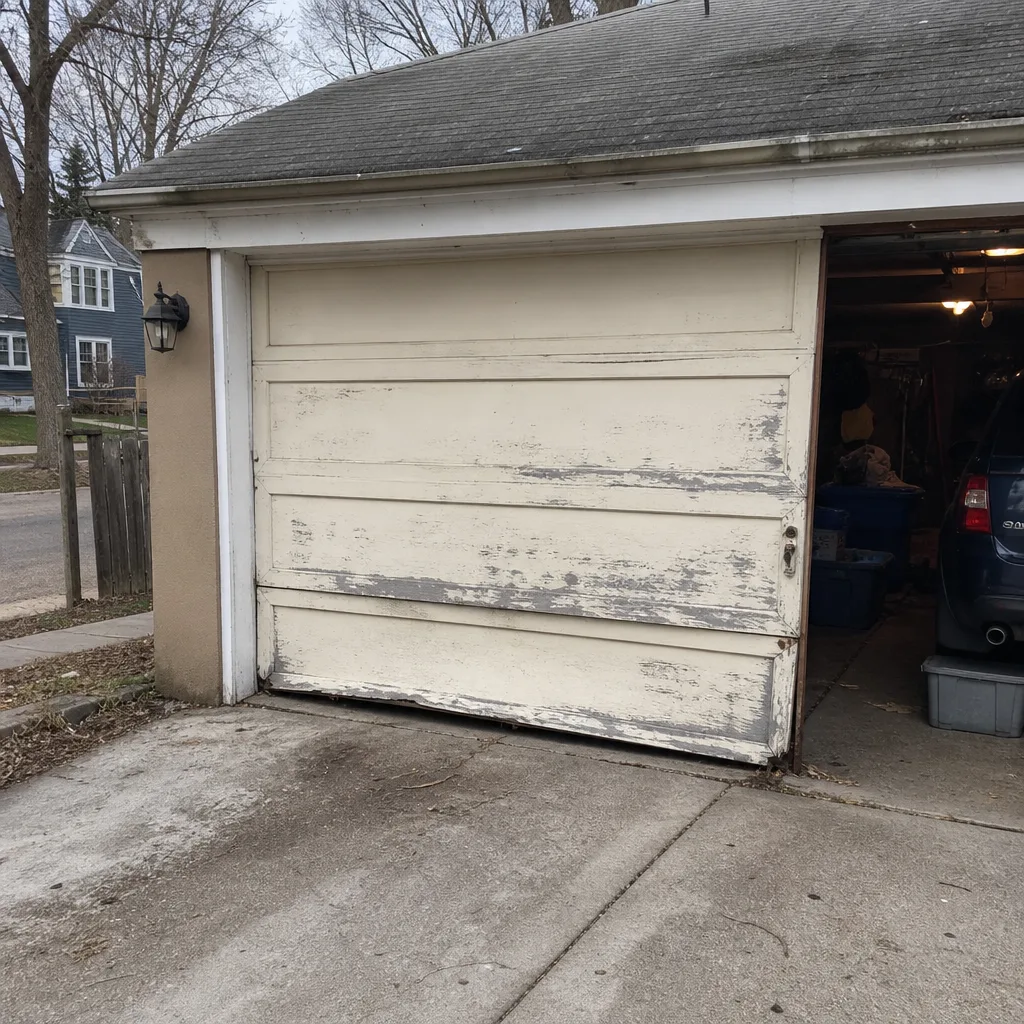 Before
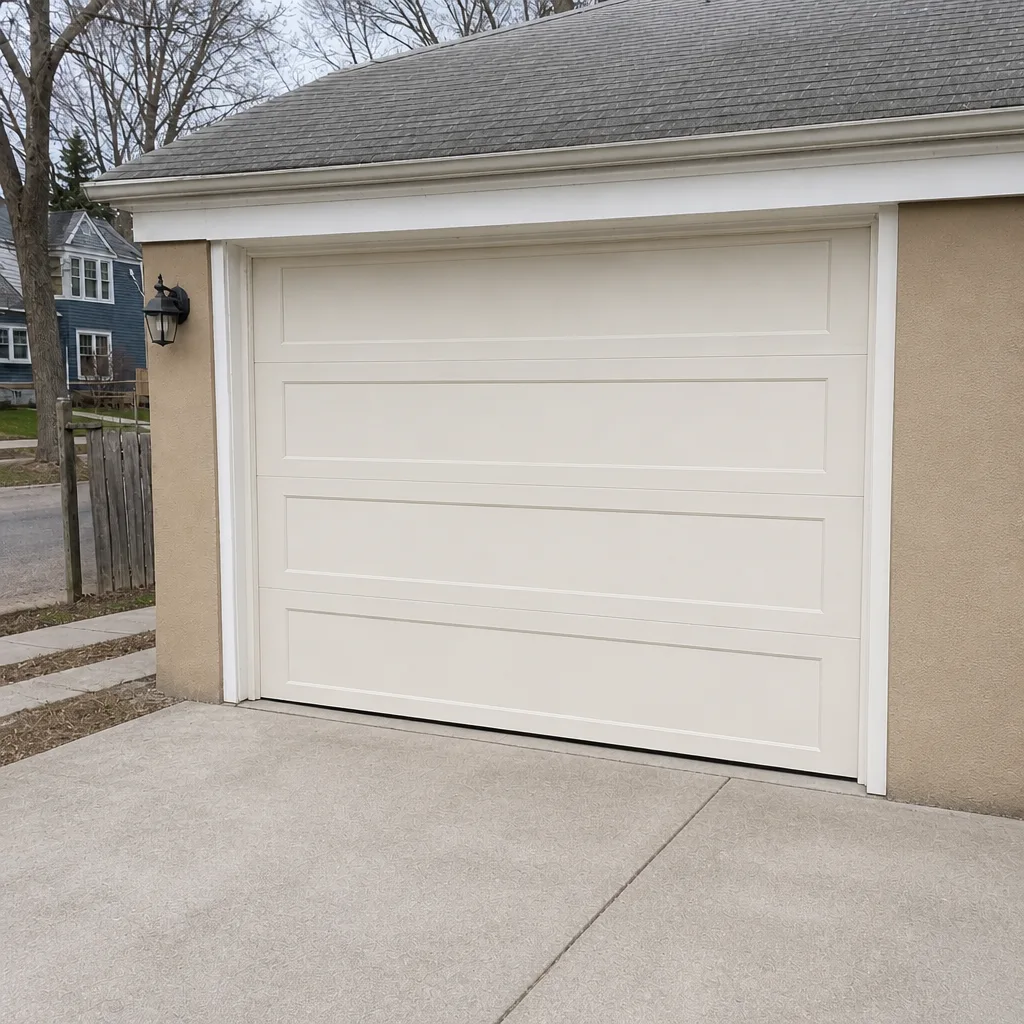 After
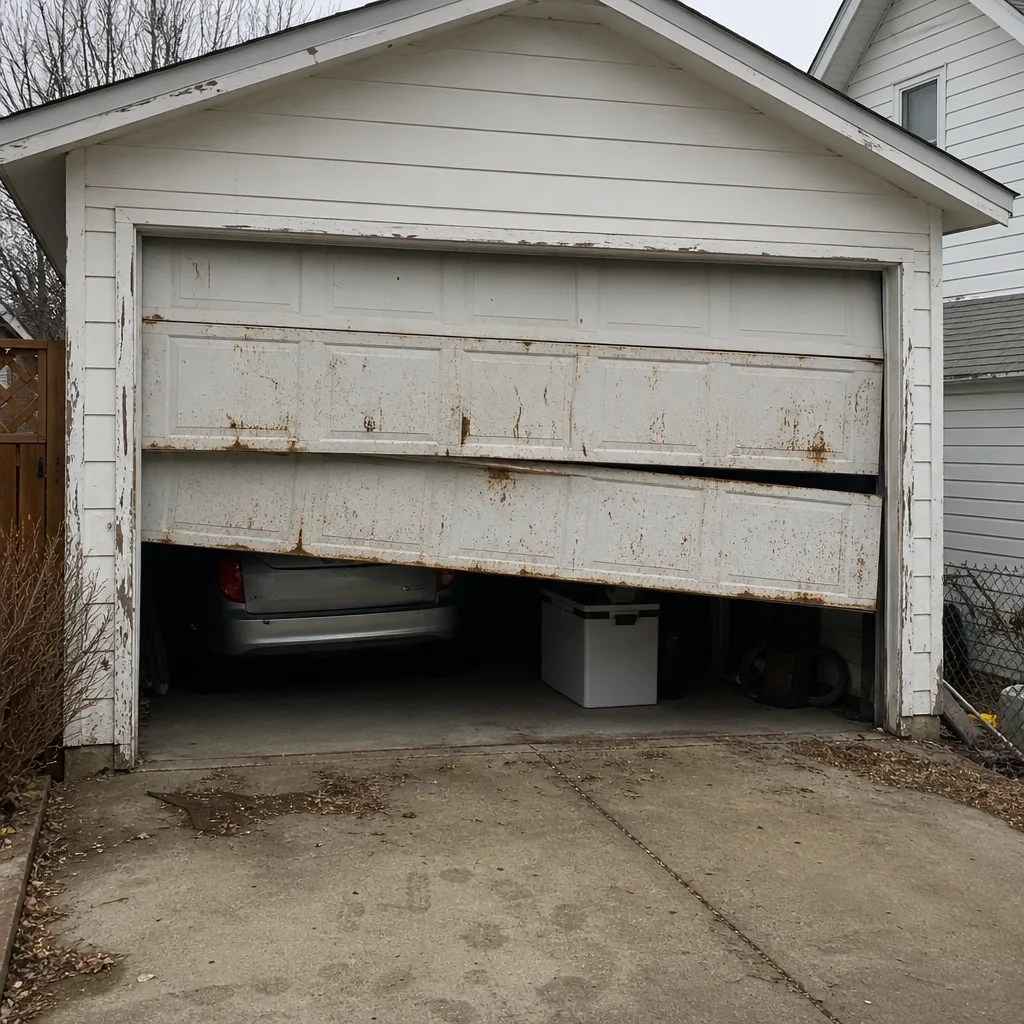 Before
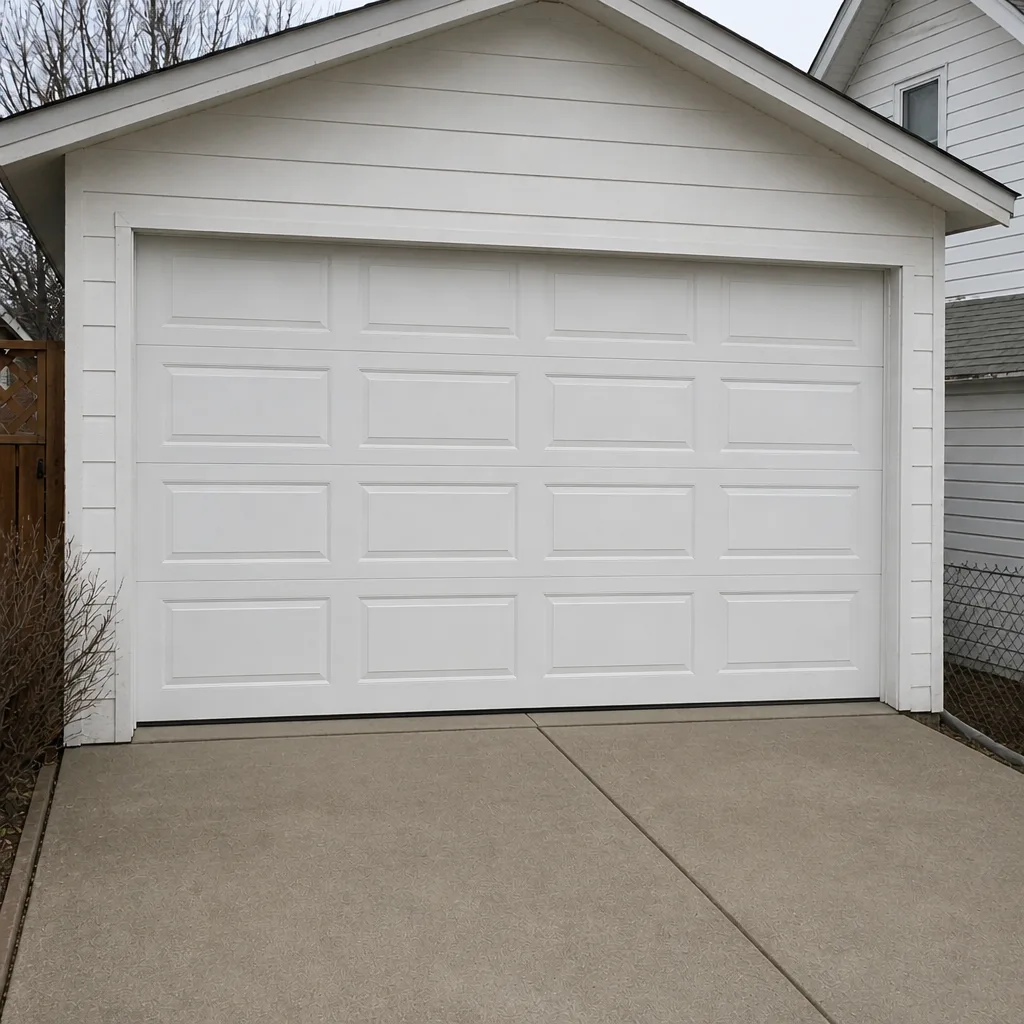 After
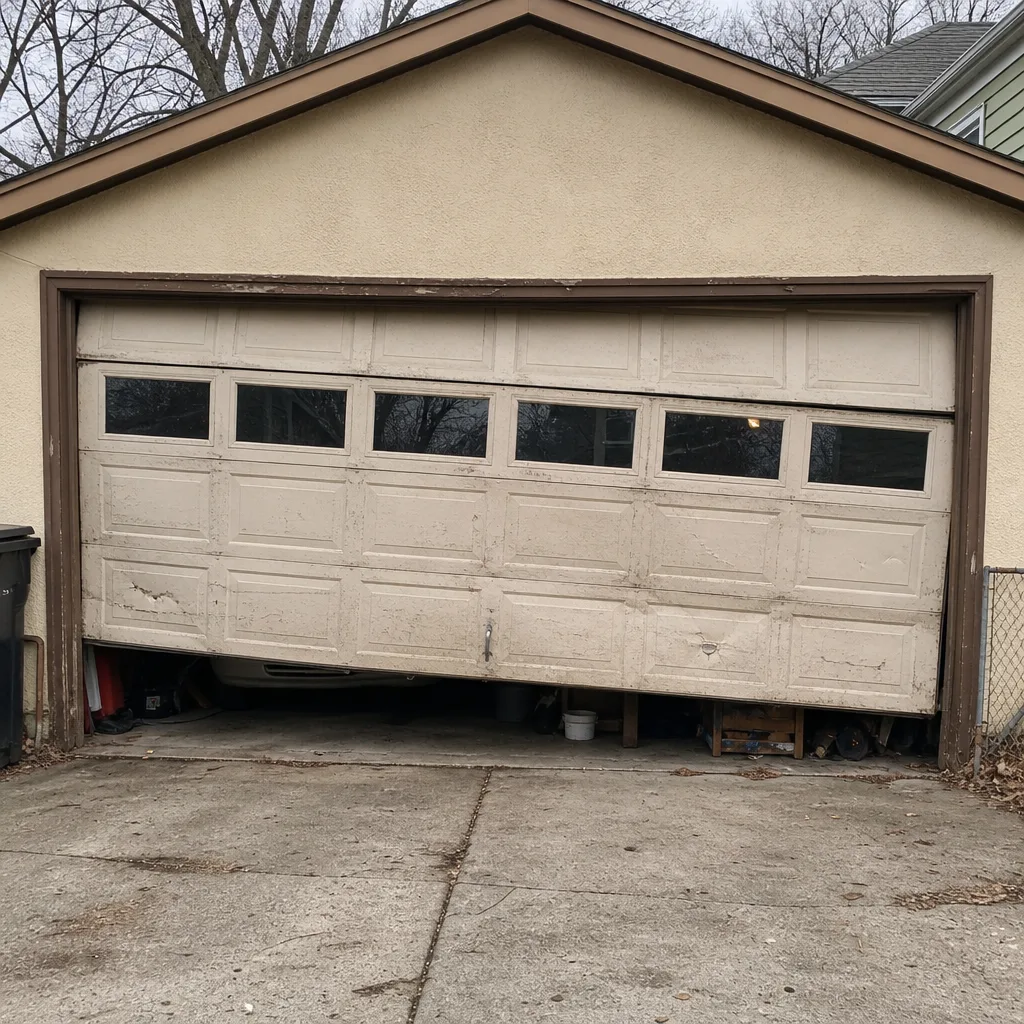 Before
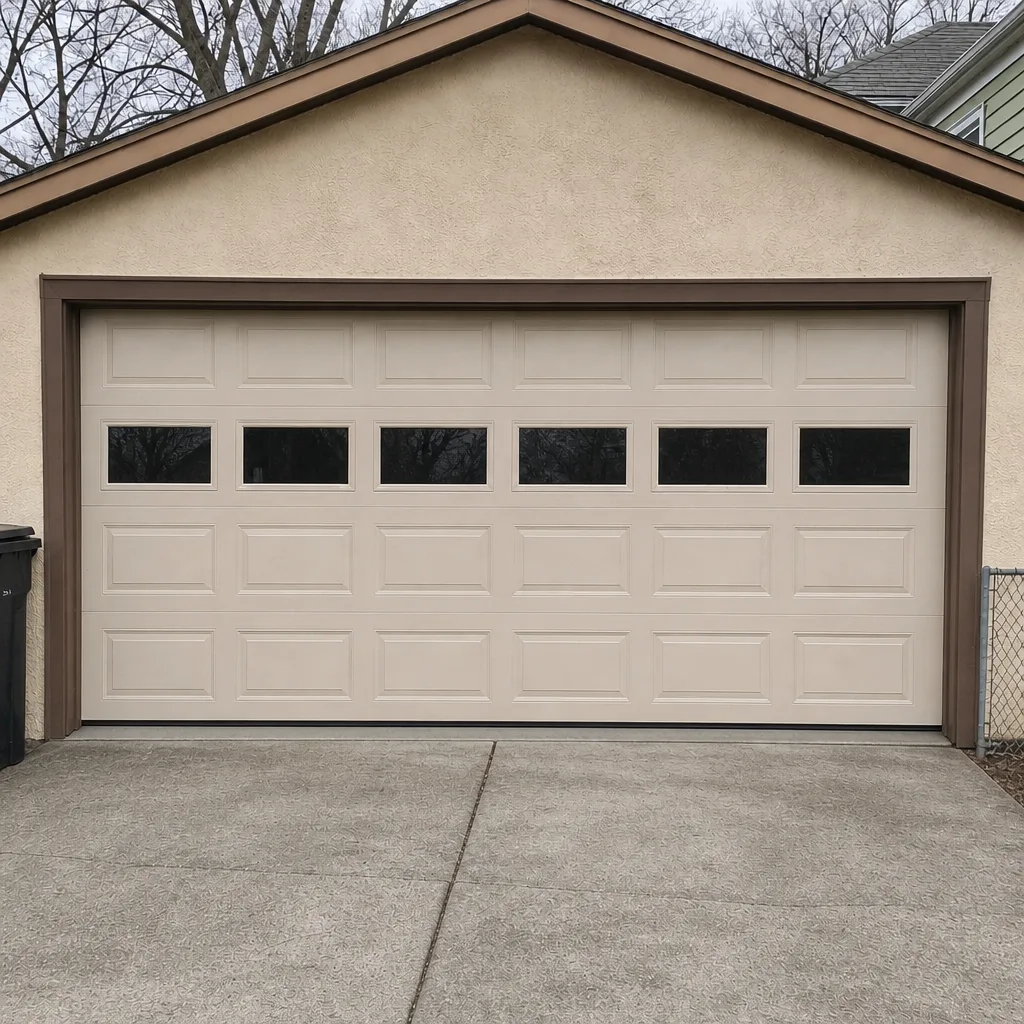 After
When to Call a Professional
Call a professional for anything involving springs, cables, or the torsion system, full stop. Those parts are under tension that can injure, and there’s no safe DIY path. Call when a door won’t open or close and it’s a security concern, when an opener behaves erratically, when a door comes off its track, or when you’re considering a replacement and need an honest measure of your garage’s structure first. If you’re unsure whether a problem is a quick fix or a bigger job, a free estimate answers it. Garage Door Repair Hamline-Midway offers free estimates in Hamline-Midway – call (855) 771-4075. Our technicians have up to 8 years of experience, and the estimate is written and agreed before any work starts.
Frequently Asked Questions
Most common repairs, like a broken spring, a cable, or an opener sensor issue, are quoted per job after we see the door, and you get the price in writing before work starts. Cost varies with the brand, the part, and the age of the equipment, so a phone estimate isn’t reliable. Call (855) 771-4075 for a free estimate and an exact quote.
A door that won’t close is a security problem, and it’s exactly what our emergency service exists for. Call (855) 771-4075 and we’ll work to get you seen as quickly as possible. Keep the door closed manually if you can, and don’t force a door with a suspected broken spring.
No surprise invoice: the written estimate is the price. We inspect on site, explain anything that affects the job, and you agree to the number before work begins. If a structural issue turns up on an older Hamline-Midway garage, it’s itemized and explained before we proceed.
The local pro is licensed and insured as their state requires, and every technician on every call is a garage door specialist rather than a multi-trade generalist. Call (855) 771-4075 to book a free estimate.
Usually yes, but it takes a real measure rather than a standard size. Older alley garages in Hamline-Midway often run narrow, with limited headroom, so the door and opener have to be matched to the actual opening. Call (855) 771-4075 and we’ll measure and quote it.
A replacement is a measured, ordered, scheduled job, so the timeline depends on the door and its availability. We give you a realistic schedule with the written estimate rather than a same-day promise. Call (855) 771-4075 to start with a free measure.
The Bottom Line
Hamline-Midway’s older housing stock makes a garage door project here different from a generic suburban job. Measure the actual opening, check the structure before buying a heavier door, insulate if the garage shares a wall with living space or gets used year-round, and match the material to the house. For repairs, common parts on widely owned brands keep timelines short; for replacements, expect a measured, ordered job with a written price. Springs and cables always go to a specialist. If a door won’t open or close and it’s a security concern, call for emergency service. Garage doors are all we do, and the right answer is always a free estimate and a written price first.
Ready to get a clear answer on your garage door? Call Garage Door Repair Hamline-Midway at (855) 771-4075 for a free estimate. We work on the brand already in your garage, diagnose fast, and give you a written price you agree to before any work starts.
Written by the team at Garage Door Repair Hamline-Midway.