Last updated November 21, 2026
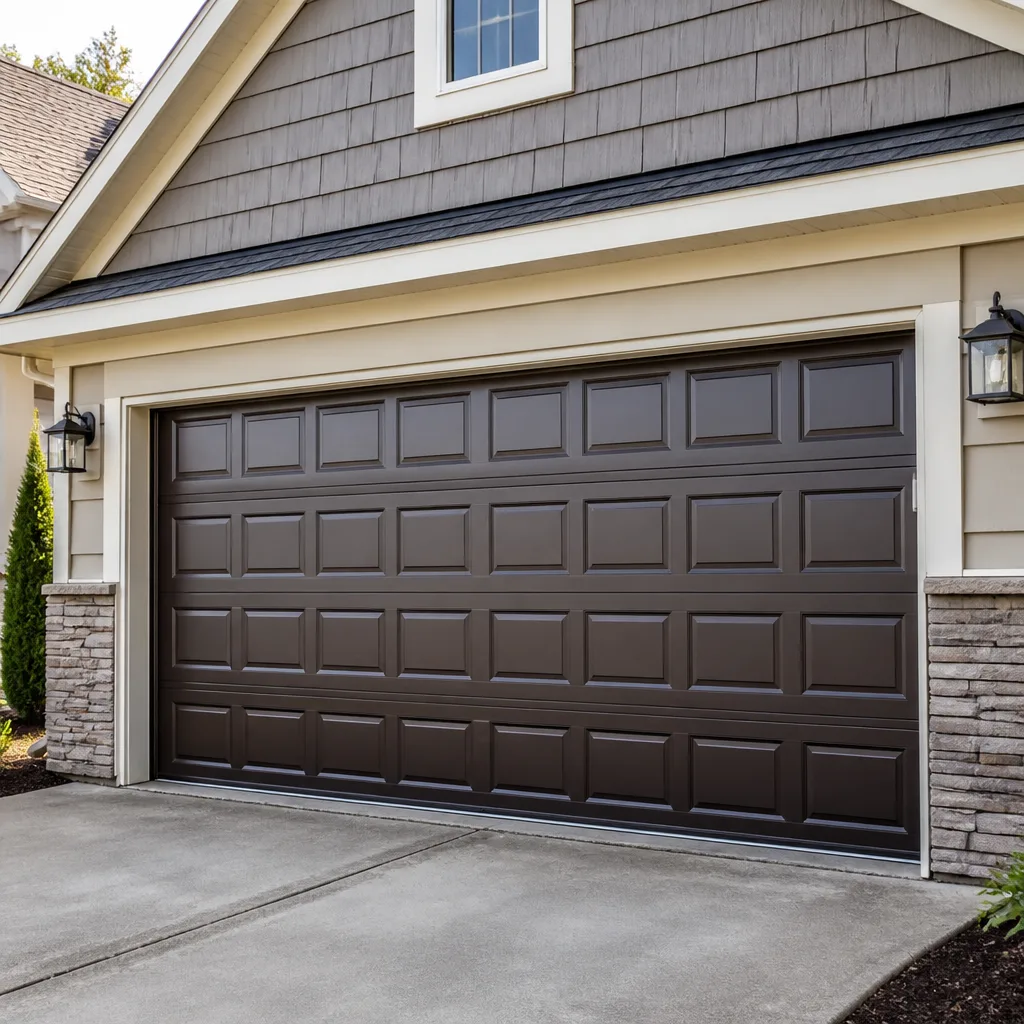 Raised-panel steel
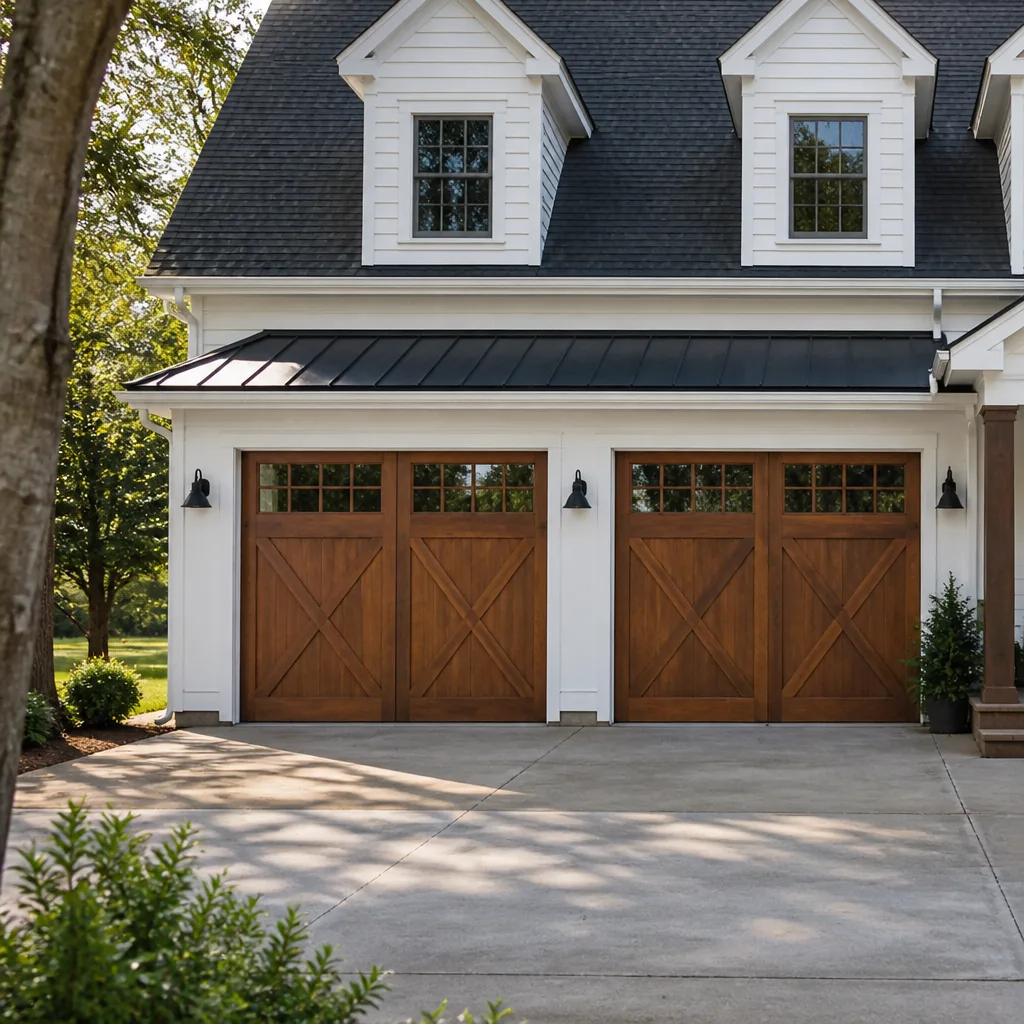 Carriage house
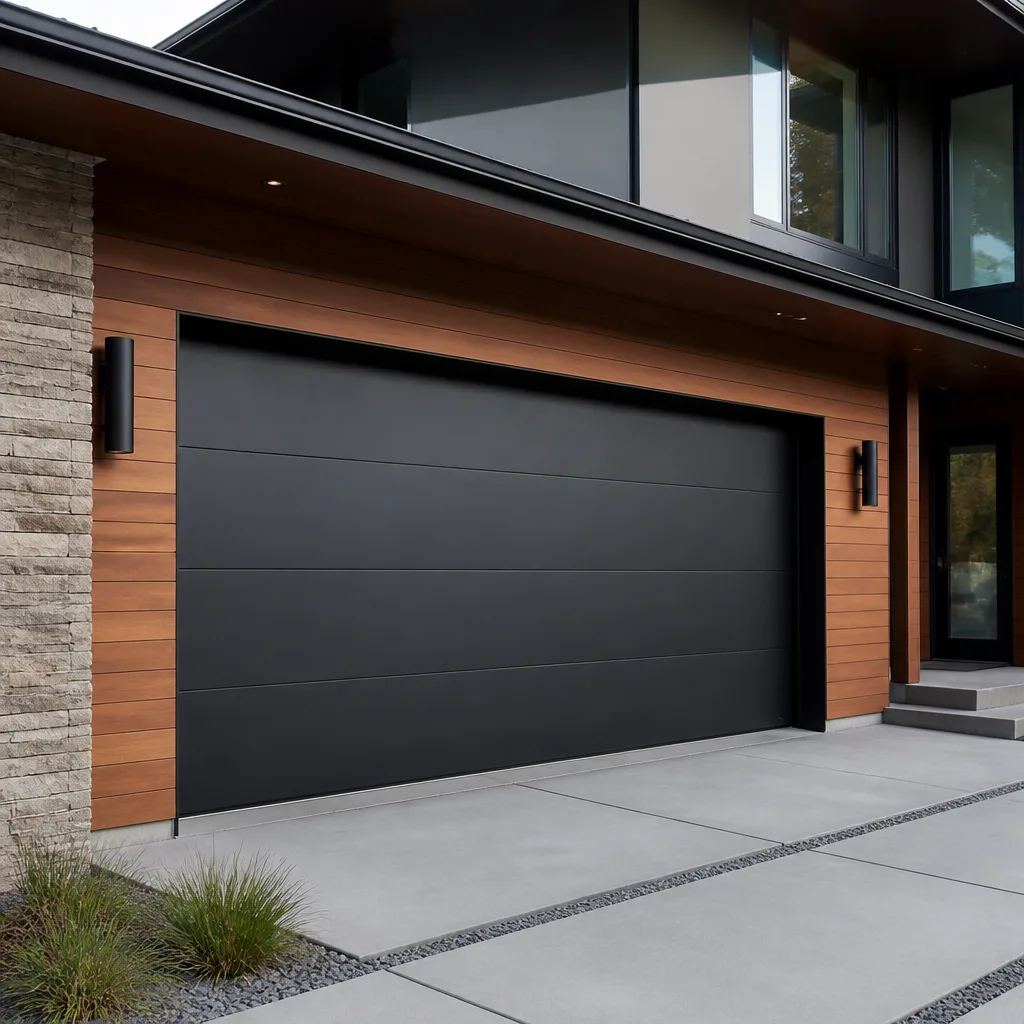 Modern flush
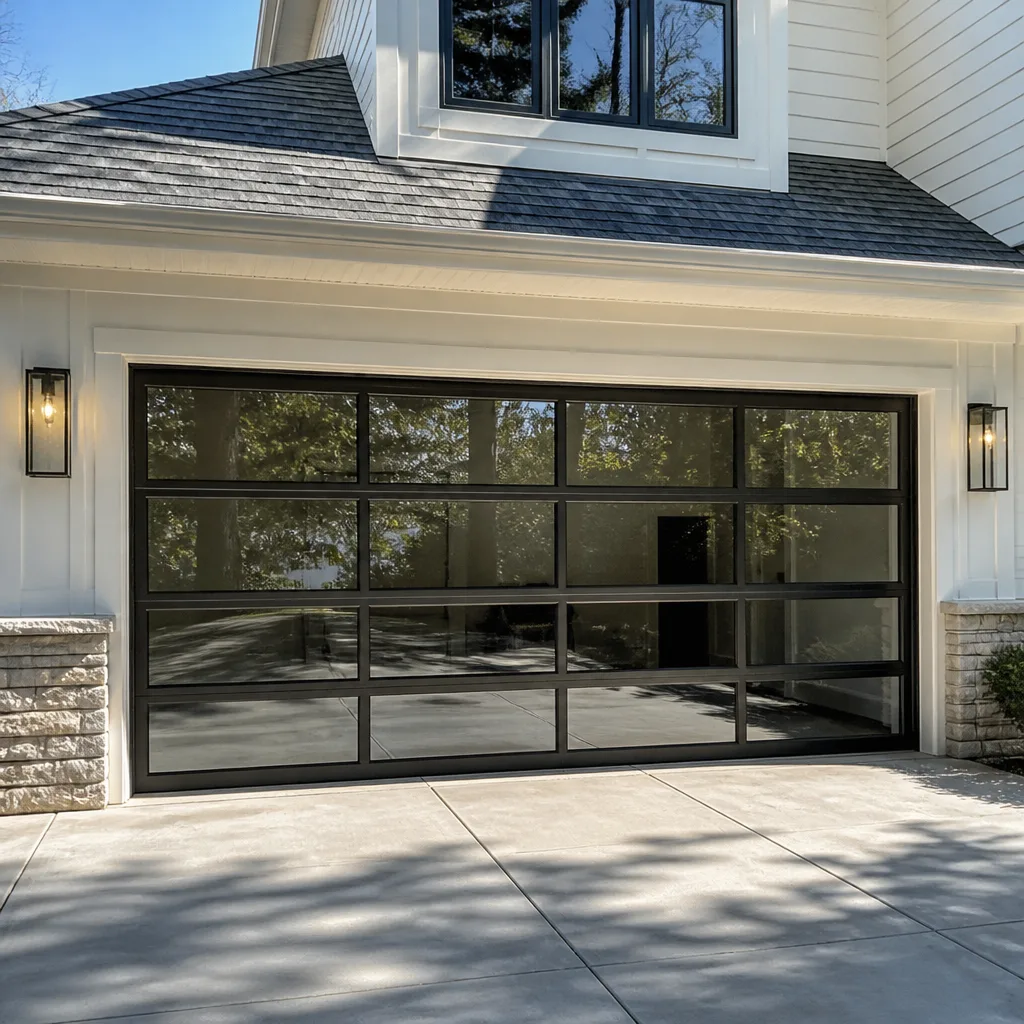 Full-view glass
 LiftMaster openers
 Chamberlain openers
Full 25-point door and opener safety check with every visit - springs, cables, rollers, tracks, and your LiftMaster or Chamberlain opener included
You get a price before we start. It does not change when the pro arrives.
Get your free estimateDIY vs Professional Garage Door: The Hamline-Midway Homeowner’s Decision Guide
A torsion spring the size of a ruler holds enough stored energy to seriously injure a person in less than a second. That’s not a scare tactic to sell you a service call – it’s the reason plenty of people who rebuild engines and remodel bathrooms every weekend still call someone for spring work. The line between “I can handle this” and “this is how people get hurt” isn’t about confidence or how handy you are. It’s about stored mechanical energy, and it doesn’t care how many YouTube videos you’ve watched. This guide draws that line clearly for Hamline-Midway homeowners: which tasks are genuinely safe to do yourself, which aren’t, when the tool math tips toward a pro, and what to do when a small job reveals something bigger.
Quick Answer
In Hamline-Midway, weatherstripping replacement, photo-eye realignment, remote reprogramming, and manual lock adjustment are safe DIY tasks that need basic tools and no special training. Spring work, cable replacement, and any repair that involves the lift mechanism should be handled by a trained garage door technician, because those parts hold stored tension that can release violently and without warning. Everything else falls in between, and the deciding factor is usually whether the job touches the counterbalance system.
Styles & brands we work with
- Raised-panel steel
- Carriage house
- Modern flush
- Full-view glass
- LiftMaster openers
- Chamberlain openers
Table of Contents
- Why Garage Door Physics Changes the DIY Question
- The Definitive DIY-Safe Task List
- Borderline Jobs: When the Tool Math Tips Toward a Pro
- How Hamline-Midway’s Older Housing Stock Changes the Math
- What to Do When a DIY Attempt Reveals a Bigger Problem
- DIY vs Professional: A Cost Comparison
- Common Mistakes to Avoid
- When to Call a Professional
Why Garage Door Physics Changes the DIY Question
Most home repair decisions come down to skill and time. A garage door is different, because the question isn’t only “can I do this” but “does this part hold energy that will release whether or not I’m ready.” That distinction separates the work into two very different categories.
A torsion spring is a coiled steel bar under constant tension, and it’s doing the heavy lifting of your entire door. When it fails – and it will eventually – that energy has to go somewhere. Under the right (wrong) conditions it releases as a sudden snap that can break bones, cause deep lacerations, or worse. Extension springs, common on older single-car doors, add a second risk: when they break, they can whip toward whatever is in their path. This is why spring manufacturers stamp warnings on the packaging and why trained technicians use winding bars, controlled release procedures, and a healthy respect for their own fingers.
Here’s the part most guides skip: the risk isn’t skill-dependent. A person with excellent mechanical instincts and a person with none are in the same danger if they don’t know the specific failure modes of a torsion system. That’s why professional garage door work carries insurance built specifically around this exposure, and why a trained technician treats every spring call as a high-risk job no matter how routine it looks.
None of that means you shouldn’t touch your door at all. Plenty of maintenance tasks are safe, satisfying, and save you a service visit. The rest of this guide shows you where the line sits.
The Definitive DIY-Safe Task List
These four jobs are genuinely appropriate for a confident homeowner with basic tools. Each one is safe for a specific reason, and that reason is what makes it different from the tasks below it.
1. Weatherstripping replacement
The rubber or vinyl seal along the bottom and sides of your door keeps out drafts, water, and pests. Replacing it is safe because the material is inert, cheap, and easily cut with a utility knife. The door stays fully closed and under tension the whole time – you’re not touching anything that stores energy. In Hamline-Midway’s cold winters, a worn bottom seal lets in more than you’d think, so this is one of the highest-value DIY jobs on the list.
2. Photo-eye realignment
Your opener’s photo eyes sit a few inches off the floor on each side of the door and stop the door from closing if something crosses the beam. If the door reverses for no reason, one of them is usually out of line, dirty, or blocked by a broom handle. Realigning them is safe because you’re adjusting small brackets and cleaning lenses – no springs, no cables, no moving door. The worst-case outcome is the door still won’t close, and you call for help.
3. Remote reprogramming
When a remote stops working or you buy a replacement, you can usually pair it through the opener’s learn button. This is safe because it’s a button-press procedure that doesn’t involve the door’s mechanics at all. Brand matters here: a LiftMaster or Chamberlain remote won’t pair with a Genie opener, and vice versa. Have your opener’s model or brand handy before you start.
4. Manual lock adjustment
Many older doors have a slide bolt or handle lock near the bottom panel. If it sticks or won’t catch, the mechanism is usually just loose or misaligned, and tightening or adjusting it is a ten-minute job with a screwdriver. It’s safe because the lock is a deadbolt-style piece that doesn’t touch the lifting system.
Notice what these four have in common: none of them involve the counterbalance system. That’s the pattern to remember.
Borderline Jobs: When the Tool Math Tips Toward a Pro
Some repairs are technically doable yourself, but the tools and parts cost more than a single professional visit. That’s the point where DIY stops being a savings and turns into a hobby.
Take opener replacement. You can buy a new opener at a home improvement store for a reasonable price, but installing it involves mounting it to the ceiling, balancing the door afterward, adjusting travel limits, and setting force sensitivity – and if the door isn’t balanced first, the new opener wears out early. That’s before you factor in the time and the risk of a misstep.
Panel replacement is similar. A damaged bottom panel can be swapped by a careful homeowner, but matching a panel on an older Hamline-Midway door hinges on which brand and profile it is. Clopay, Amarr, and Raynor all make panels that look similar until you try to fit one. If you’re spending an afternoon on measurements and a trip to the supplier, you’ve already spent more than a service call.
A simple rule for borderline jobs:
- If you need to buy a tool you’ll use once, and that tool costs more than a service visit, call a technician.
- If the job requires balancing the door, measuring spring tension, or adjusting the opener’s force settings, call a technician.
- If you’re not sure what’s broken, a diagnosis visit is cheaper than guessing wrong.
For anything that touches the opener’s mechanics or the door’s balance, our garage door opener repair service covers the trip and the diagnosis, so you’re not paying to learn something a technician already knows.
How Hamline-Midway’s Older Housing Stock Changes the Math
Hamline-Midway is full of early-20th-century homes, and that matters for DIY in ways a general tutorial won’t address. The standard steps you see online assume a modern door in a modern garage – a standard 7-foot ceiling, newer hardware, and a recent opener. Older Hamline-Midway garages often don’t match that picture.
Two issues come up most often. First is headroom. Homes built in this era often have garages with lower ceilings or an exposed-frame ceiling that leaves less room than an opener install guide expects. Second is aging hardware. Old extension springs, worn drums, and rusted hinges behave differently than their modern counterparts. A step that’s safe on a new door can be risky on a door that’s been tensioned for decades.
There’s also the climate. A Minnesota garage goes through hard freeze-and-thaw cycles, which is tough on weatherstripping, seals, and metal. Doors in Hamline-Midway tend to show wear on the bottom seal and the rollers more than in milder climates. That doesn’t make DIY unsafe – it just means you should inspect before you work, and be honest about what you find.
If you’re working on an older door and something looks non-standard – a spring that doesn’t match any diagram, an opener bracket that isn’t where the instructions say it should be – stop and call. That’s the right call in Hamline-Midway more often than in newer neighborhoods, and it’s not a sign you did something wrong.
What to Do When a DIY Attempt Reveals a Bigger Problem
You start on a simple job and find something you didn’t expect: a frayed cable, a bent track, a spring that looks different from any tutorial. The right move is to stop, take stock, and call with specific information. Here’s how to make that call count.
- Stop the job where you are. Don’t try to “just finish it” or force anything into place. If the door is up, leave it up. If it’s down, leave it down.
- Note the door’s brand and model if you can see it. Clopay, Amarr, Raynor, and Wayne Dalton all stamp their name on the door or the panel edges. That single detail tells a technician what parts will fit.
- Note the opener’s brand. LiftMaster, Chamberlain, Genie, and Craftsman are the most common in Hamline-Midway homes, and each has its own quirks. Tell us which one you have when you call.
- Describe what you see, not what you think is wrong. “The left cable is frayed and hangs below the drum” is more useful than “the door is broken.” “There’s a gap between the bottom panel and the track” beats “it’s crooked.”
- Say what you were trying to do when you found it. That context helps a technician pack the right parts before the visit, which usually means a same-visit fix instead of a return trip.
- Mention the age of the door if you know it. A 15-year-old door with original springs needs a different approach than a newer one.
Clear, specific details turn a diagnostic visit into a repair visit. For Hamline-Midway homeowners, that’s often the difference between a same-day fix and a second appointment, especially on older doors where parts can be less standard.
DIY vs Professional: A Cost Comparison
Here’s the straight math. DIY saves money on the four safe tasks above, but on spring, cable, and opener work, a professional visit is usually cheaper when you add up tools, time, and risk. The table below gives typical Hamline-Midway estimates so you can compare apples to apples.
| Task | DIY (tools + parts) | Professional (typical estimate) | Recommendation |
|---|---|---|---|
| Weatherstripping replacement | $25-$60 in materials, no special tools | $120-$200 installed | DIY |
| Photo-eye realignment | Free – screwdriver | $90-$150 service call | DIY |
| Remote reprogramming | Free – owner’s manual | $80-$130 service call | DIY |
| Manual lock adjustment | Free – screwdriver | $90-$140 service call | DIY |
| Torsion spring replacement (one spring) | $150-$300 for winding bars and parts | $220-$380 per spring | Professional |
| Extension spring replacement | $60-$100 in parts | $140-$250 | Professional |
| Cable replacement | $40-$90 in parts, plus risk | $160-$280 | Professional |
| Opener replacement | $180-$400 opener, plus install time | $350-$650 installed | Professional |
| New door (single-car, installed) | Not DIY-appropriate | $1,100-$2,800 | Professional |
A matched pair of torsion springs is usually replaced together, so a pair costs about twice the single-spring figure. The prices above are typical estimates for the Hamline-Midway area; the written estimate you get from a technician sets the final price. If a spring is your issue, our garage door repair service covers spring work as one of our core specialties – and the safety protocol that goes with it. For a full replacement instead of a repair, our garage door installation team can measure and quote the job.
Common Mistakes to Avoid
- Using standard online tutorials on a non-standard door. Older Hamline-Midway doors often have lower headroom or hardware that doesn’t match the diagram. If the first step doesn’t look like the video, stop and call.
- Assuming “it just needs a little push” on a door that won’t balance. A door that won’t stay at half-height is telling you the springs are wrong or worn. Forcing it onto a track can bend the panels or the track itself.
- Buying a remote without checking the opener brand. A LiftMaster remote won’t pair with a Genie opener. Match the brand before you buy, or you’ll be returning it.
- Replacing one torsion spring when both are worn. If one spring has broken, the other is usually at the same wear point. A matched pair is the usual recommendation, and a mismatched one will fail early.
- Ignoring a door that reverses for no reason. That’s usually a photo-eye issue – clean and realign first. If the eye is fine and the door still reverses, the opener’s force settings may be the culprit.
- Treating a frayed cable as cosmetic. Cables are under tension and a small fray can snap without warning. This is a stop-and-call situation, no exceptions.
- Skipping the safety check after any repair. Before you walk away, open and close the door a few times with the opener disconnected and check the balance. If it doesn’t sit at half-height or feels heavy, something’s off.
When to Call a Professional
Call a professional whenever the job touches the springs, cables, drums, or the door’s counterbalance system. Call if the door won’t balance, if it comes off its track, if a spring has broken, or if you find a frayed cable. Call if the opener’s force settings have been adjusted and the door still won’t work correctly. Call if you’re on a ladder and feel unsure about the next step. There’s no shame in that call – we’ve seen what happens when a homeowner pushes past it, and it’s never worth the risk.
Garage Door Repair Hamline-Midway offers free estimates in Hamline-Midway – call (855) 771-4075. Our technicians have up to 8 years of experience, we work on the major brands already in your garage, and every visit ends with a written price you agree to before any work starts. Garage doors are all we do, and our Garage Door Repair Hamline-Midway team is ready to help when you need it.
See the difference
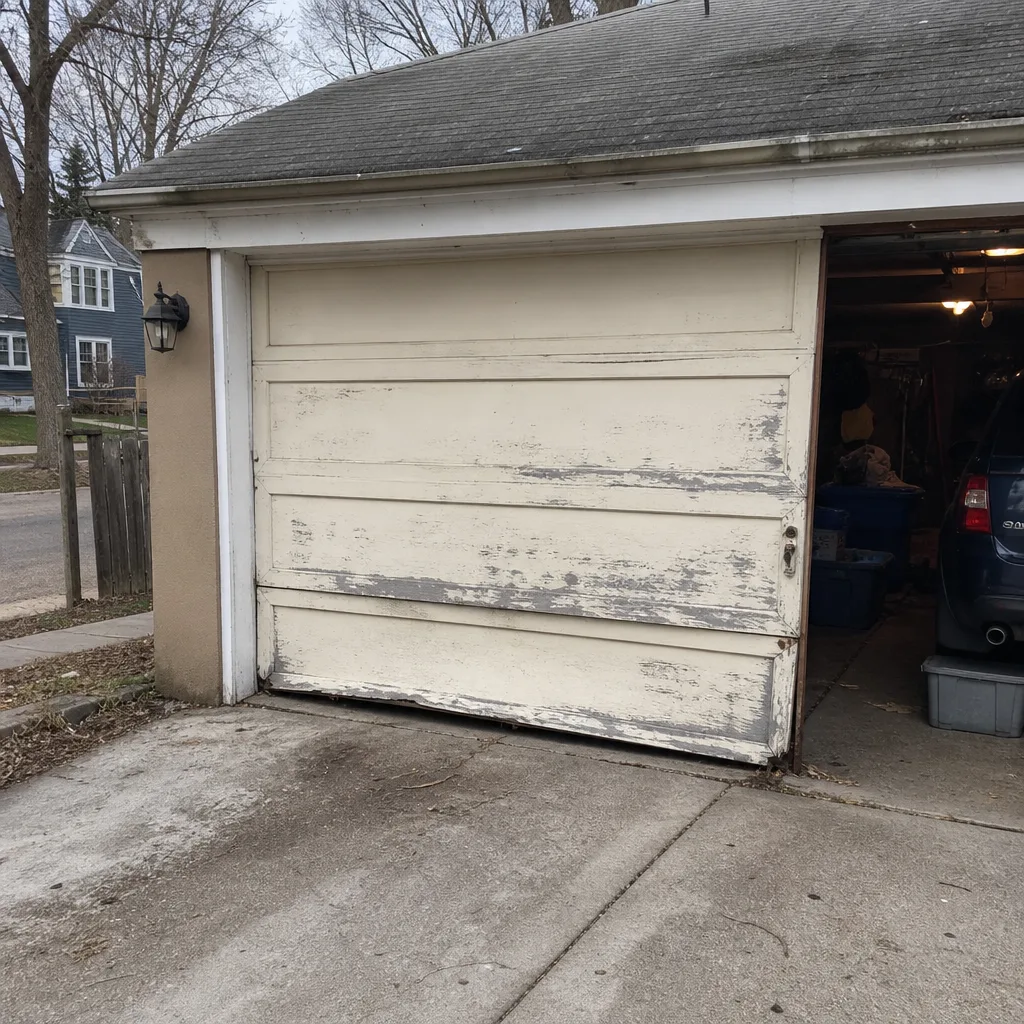 Before
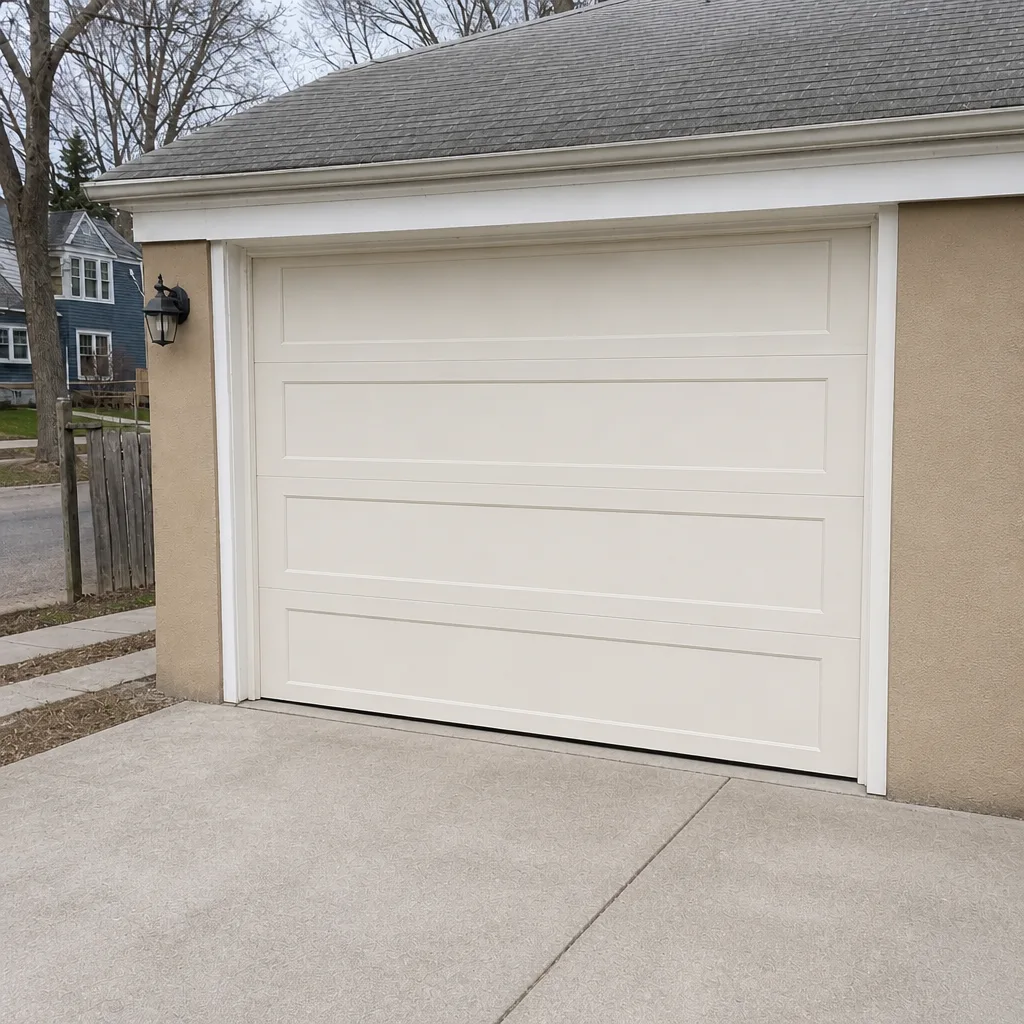 After
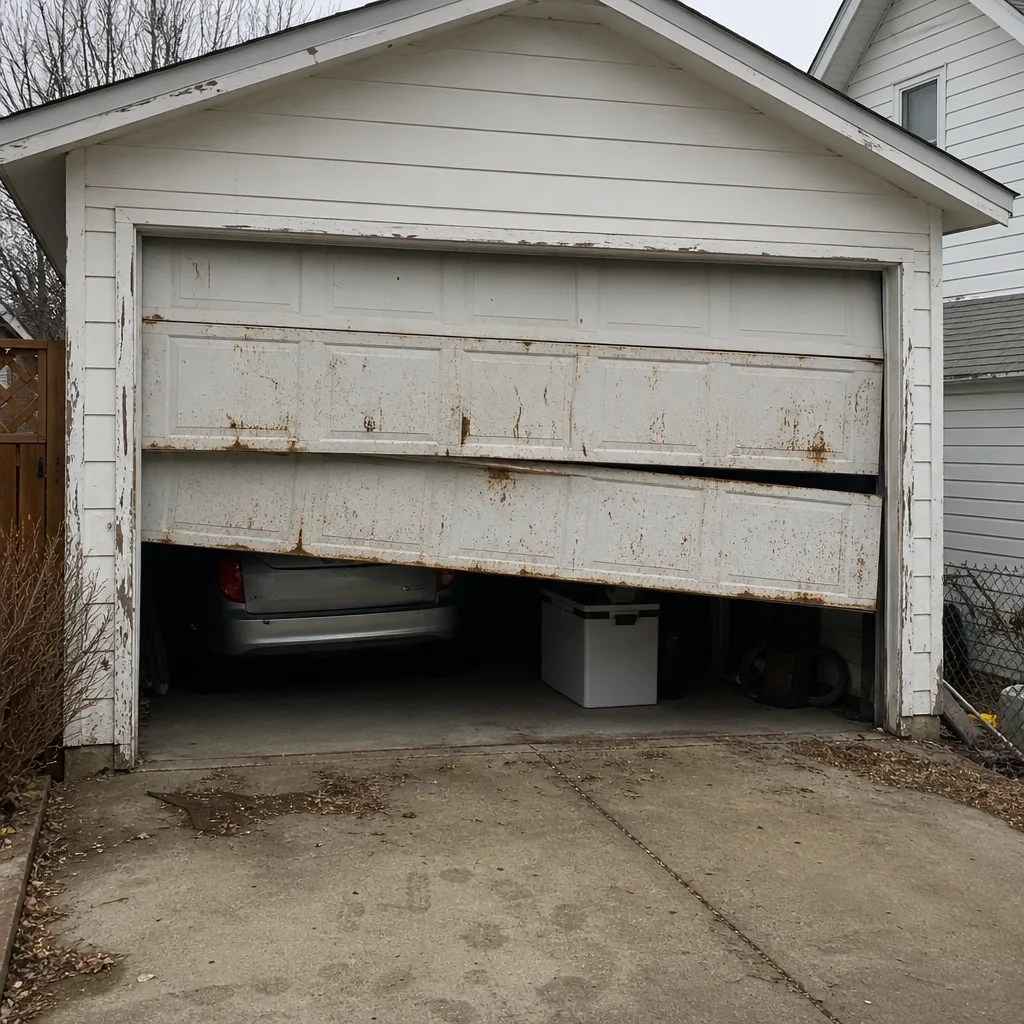 Before
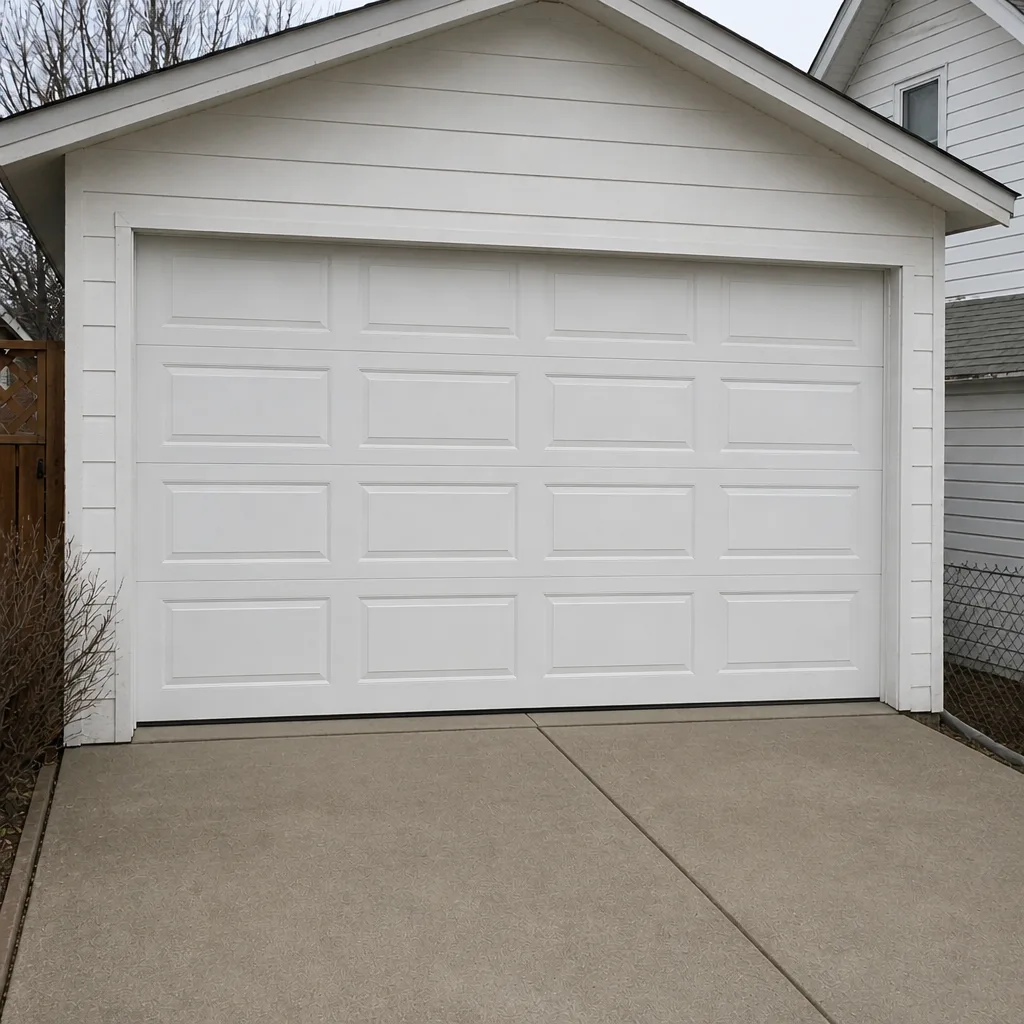 After
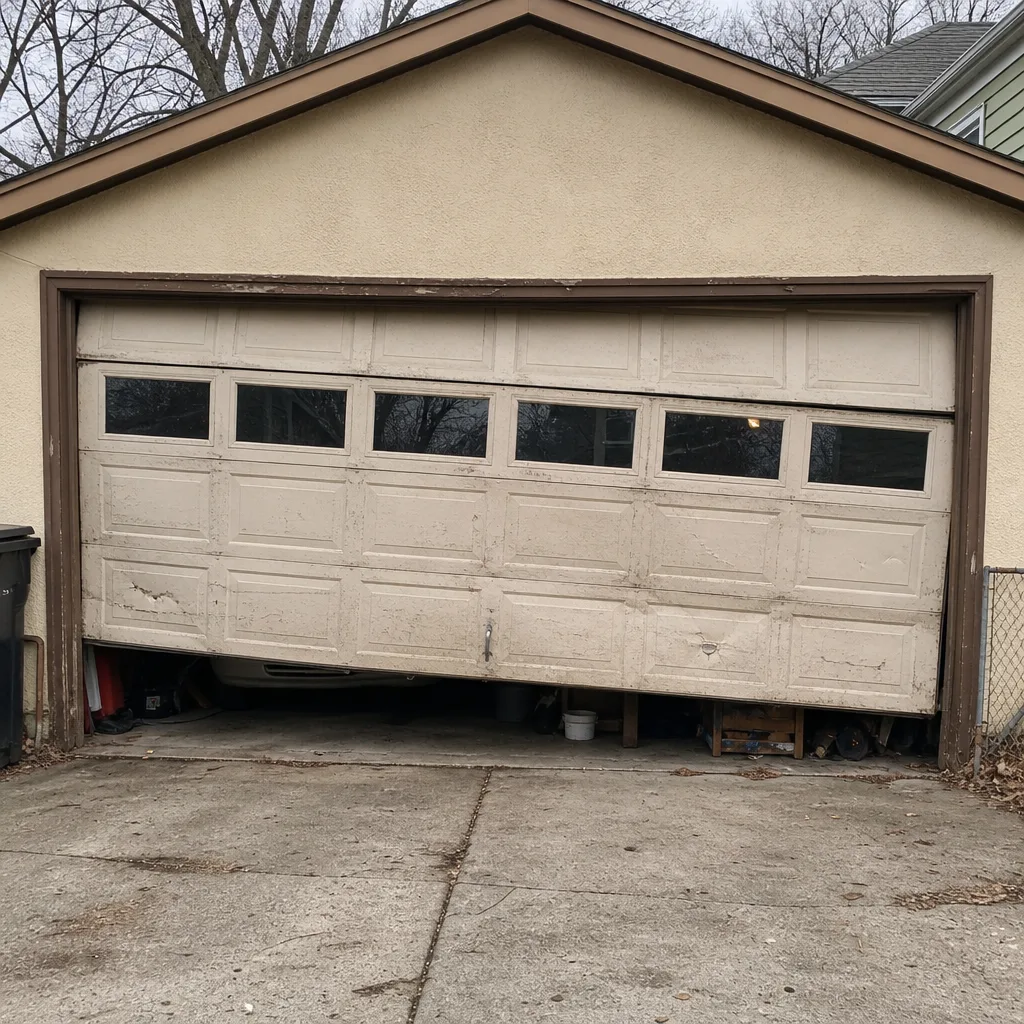 Before
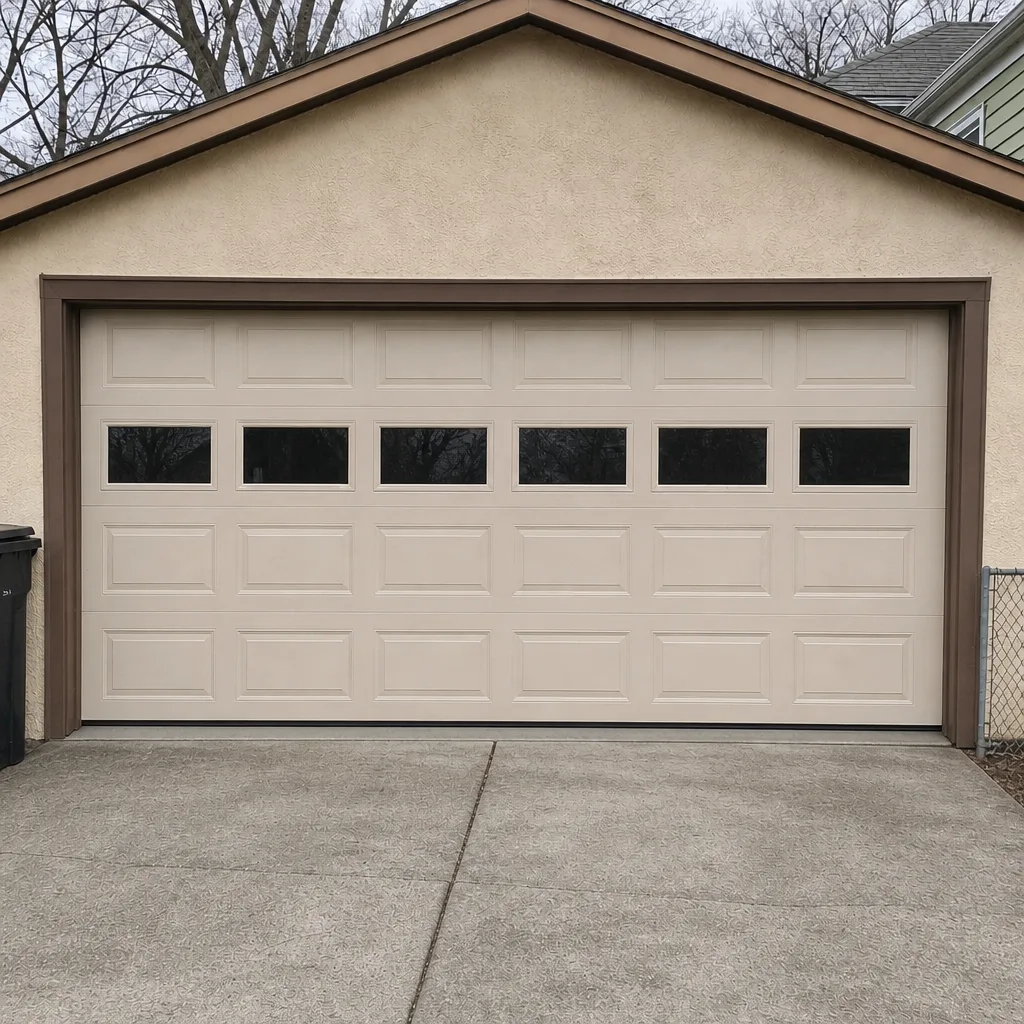 After
Frequently Asked Questions
No. Spring replacement is the one task we always recommend against for homeowners, because torsion and extension springs store enormous energy and can release without warning, even for people who are mechanically experienced. A trained technician uses winding bars, controlled release procedures, and proper safety protocol – the risk isn’t about skill, it’s about the physics of stored energy. Call (855) 771-4075 for a free estimate on spring replacement.
Some repairs are safe DIY, and some aren’t. Weatherstripping, photo-eye realignment, remote programming, and lock adjustment are all reasonable to do yourself because they don’t touch the counterbalance system. Anything that involves springs, cables, drums, or door balance should be handled by a professional. If you’re not sure which category your job falls into, a quick call can settle it.
Typical estimates in the Hamline-Midway area run $90-$150 for a simple service call, $160-$280 for cable replacement, $220-$380 per torsion spring, and $350-$650 for a new opener installed. A matched pair of springs runs about twice the single-spring figure. The written estimate you get before work begins sets the final price – call (855) 771-4075 for an exact quote, and estimates are free.
No. We quote and agree on a price before any work starts, so the number you hear is the number you pay. If the diagnosis reveals something additional, we’ll update the estimate and get your approval before doing that work. You’re never surprised by the invoice on a garage door call in Hamline-Midway.
For repair and emergency calls, same-day service is often available. Emergency garage door service is a core part of what we do – not an upsell – because a door that won’t close leaves a Hamline-Midway home open to the weather and to unwanted visitors. Call (855) 771-4075 and we’ll tell you the soonest available window.
The local pro who performs your work is licensed and insured as their state requires, and our technicians have up to 8 years of experience with garage door and opener brands including LiftMaster, Chamberlain, Genie, and Raynor. We work on the brand already in your garage, so diagnosis is faster and the parts are the right ones. Call (855) 771-4075 for a free estimate.
The Bottom Line
The DIY vs professional question on a garage door comes down to one test: does the job touch stored mechanical energy? If it doesn’t – weatherstripping, photo eyes, remote programming, lock adjustment – it’s yours to handle, and you’ll save money doing it. If it does – springs, cables, drums, balance – the risk isn’t skill-dependent, and the right call is to hire out the work. In Hamline-Midway’s older housing stock, that line matters even more, because non-standard headroom and aging hardware make generic tutorials unreliable. Stop when a job surprises you, describe what you found clearly, and call a specialist who works on your brand. Garage Door Repair Hamline-Midway makes that easy – free estimates, written prices before work starts, and every call ending with a door that works.
Call (855) 771-4075 today for a free estimate. Whether it’s a stuck door, a broken spring, or a full replacement, we’ll give you a clear answer on what’s wrong, what it will cost, and how soon it can be fixed.
Written by the team at Garage Door Repair Hamline-Midway.