Last updated November 21, 2026
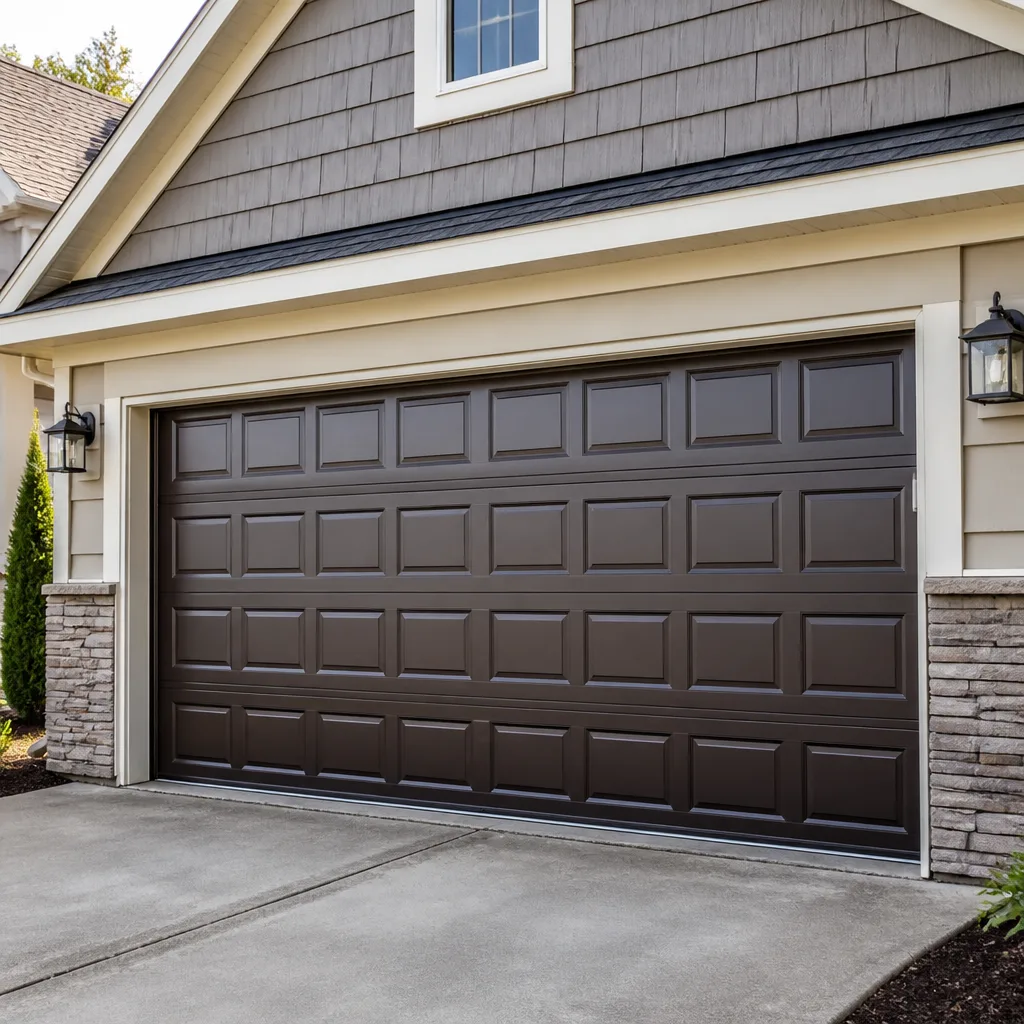 Raised-panel steel
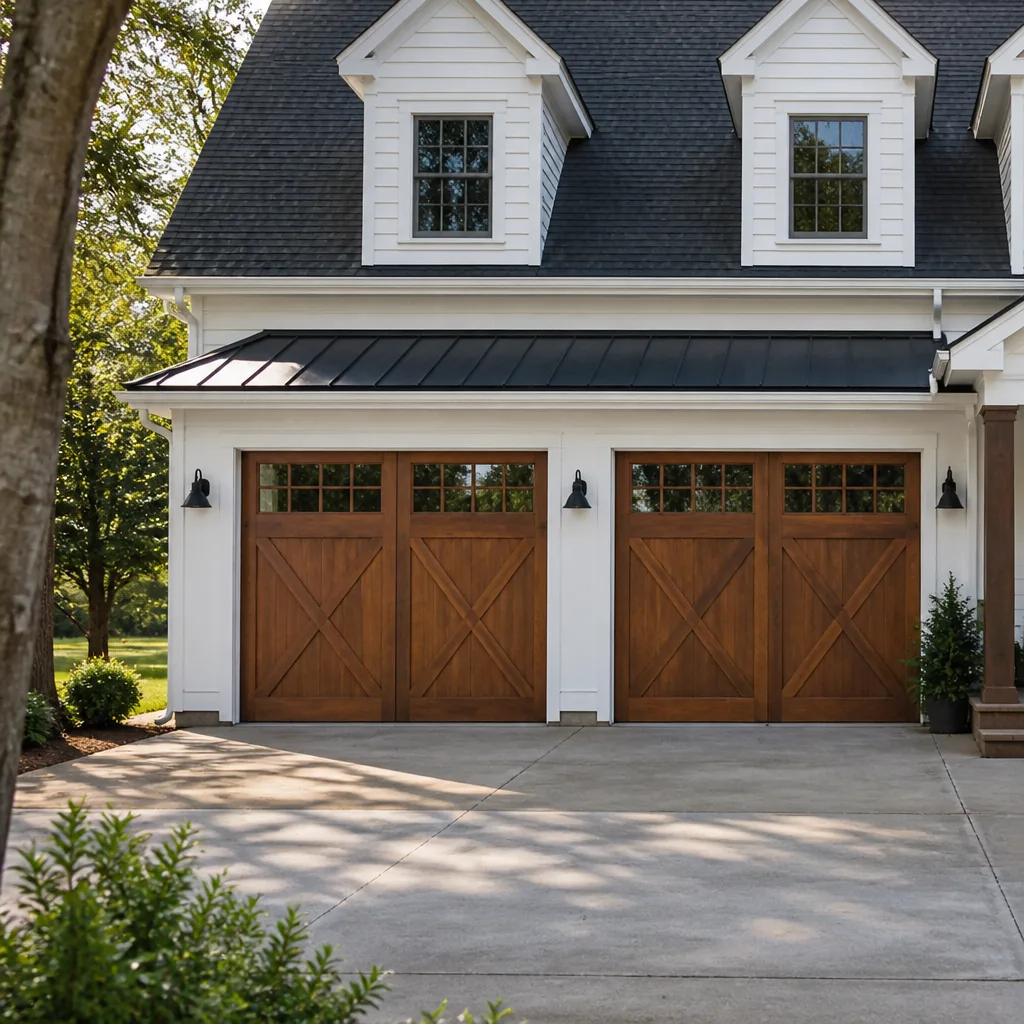 Carriage house
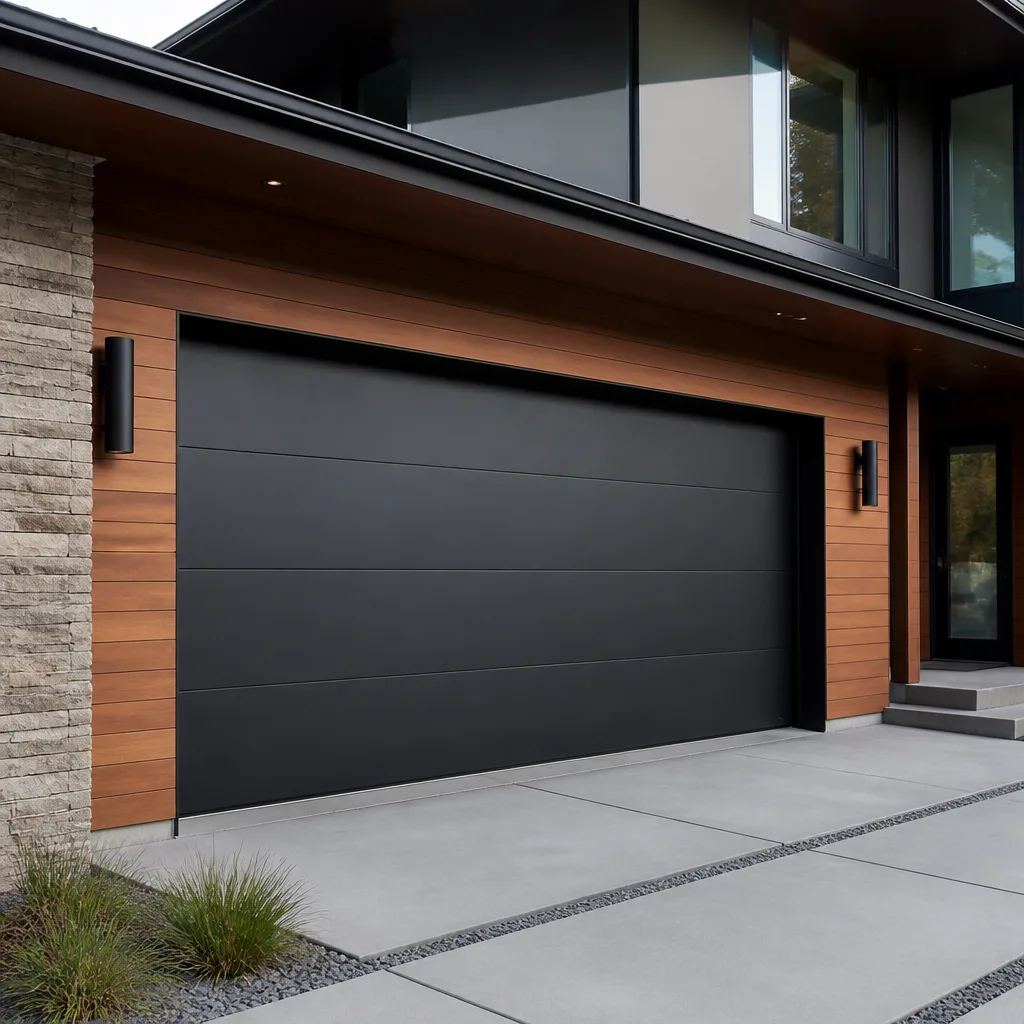 Modern flush
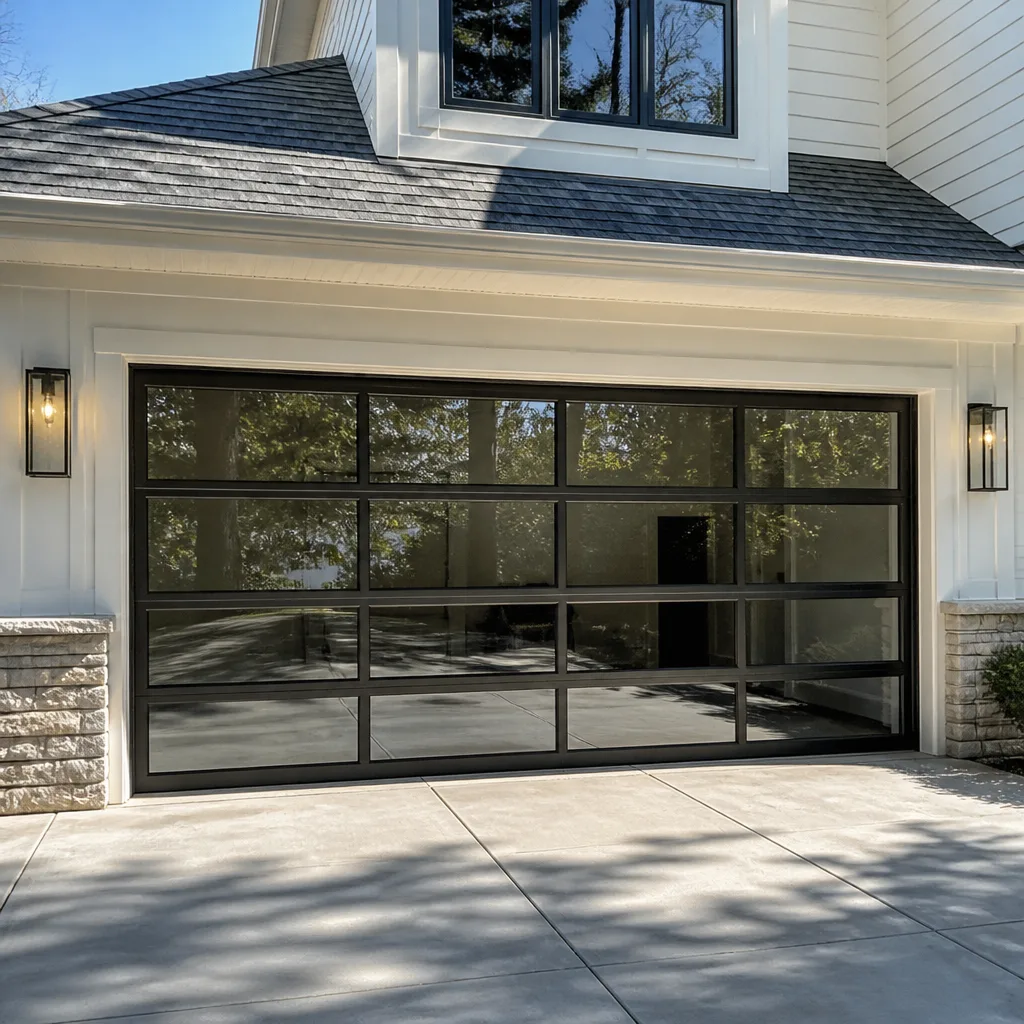 Full-view glass
 LiftMaster openers
 Chamberlain openers
Full 25-point door and opener safety check with every visit - springs, cables, rollers, tracks, and your LiftMaster or Chamberlain opener included
You get a price before we start. It does not change when the pro arrives.
Get your free estimateHow to Hire a Garage Door Contractor in Hamline-Midway: A Step-by-Step Guide
Three of the most common garage door horror stories we hear start the same way: “The guy said he’d done hundreds of them” – and he had, just not garage doors specifically. That’s the mistake this guide is built around. Homeowners in Hamline-Midway usually know to check reviews and ask for insurance. Far fewer know how to tell a true garage door specialist from a generalist handyman or an HVAC company that “also does doors” until the work is already done, and done wrong. A door that’s misdiagnosed or fitted with the wrong spring costs you twice: once for the first attempt, once to fix it. Over the next few sections we’ll walk through the exact questions, quote structure, and reference checks that separate a specialist from a dabbler, so you can filter properly before anyone shows up at your door in Hamline-Midway.
Quick Answer
To hire a garage door contractor in Hamline-Midway, filter for single-trade specialization first: ask what percentage of their work is garage doors, whether they’re fluent in the brand already in your garage, and how they itemize a quote. A genuine specialist answers all three without hesitation, quotes parts and labor line by line, and never pressures you to sign on the spot. Generalists who “also do doors” are the most common cause of a job that has to be redone.
Styles & brands we work with
- Raised-panel steel
- Carriage house
- Modern flush
- Full-view glass
- LiftMaster openers
- Chamberlain openers
Table of Contents
- Why a Garage Door Specialist Beats a Generalist
- The Five Questions That Separate a Specialist from a Generalist
- What Licensing Actually Covers in Minnesota
- How to Read a Garage Door Quote Line by Line
- Why Same-Day Quotes With Pressure to Sign Are a Red Flag
- The Garage-Door-Specific Reference Check Script
- What Hamline-Midway Seasons Do to Your Door
- Common Mistakes to Avoid
- When to Call a Professional
Why a Garage Door Specialist Beats a Generalist
A garage door is a balanced mechanical system under constant tension, and it is not a simple hinge-and-track job you can hand to anyone with a toolbox. Springs, cables, drums, rollers, and the opener’s force settings all interact. Change one component without accounting for the others and the door runs rough, wears out faster, or fails again within weeks. That’s the core reason a generalist costs more in the long run: not because their hourly rate is higher, but because the job often has to be redone by someone who works on doors every day.
In our experience, the tell is usually in the diagnosis. A specialist hears a grinding door and immediately thinks about rollers, track alignment, or a failing bearing. A generalist hears the same noise and reaches for lubricant or a new opener, because that’s the tool they know. One fixes the cause; the other treats a symptom. That difference matters in Hamline-Midway, where a lot of the housing stock has older doors and openers that have been patched over the years. A door that’s been adjusted by three different trades tends to carry a stack of small problems, and untangling them takes someone who’s seen that pattern before.
Single-trade focus also means faster diagnosis and fewer return visits. When every call a technician takes is garage door related, the parts familiarity and troubleshooting instincts stay sharp. That’s the whole case for hiring a specialist: not marketing language, just the practical math of repetition. For a sense of what dedicated work looks like in practice, our Garage Door Repair Hamline-Midway page walks through the range of jobs a specialist handles.
The Five Questions That Separate a Specialist from a Generalist
You don’t need to become a garage door expert to hire one. You need five questions and a sense of what a good answer sounds like. Ask these before you book anyone, ideally on the phone.
- “What percentage of your work is garage doors?” A specialist says most or all of it. A generalist hedges with “we do a bit of everything,” which is your cue to keep looking.
- “What brand is in my garage, and are you familiar with it?” Name your brand and listen. Specialists who work across Clopay, Amarr, Wayne Dalton, Craftsman, and the major opener lines can tell you the quirks of your specific system without guessing.
- “How do you diagnose a door that won’t close?” A specialist runs through a sequence: safety sensors, track obstruction, spring tension, opener force settings. A generalist gives you a vague “we’ll take a look.”
- “Do you replace springs yourself, and how do you handle the tension safely?” This is a safety-critical repair, and a real specialist treats it that way. Anyone who shrugs at the danger is not the person you want under a loaded spring.
- “Can you itemize the quote before I commit?” A specialist can. A generalist often can’t, because they’re pricing a bundle rather than the actual parts and labor involved.
The answers that should raise flags: “we do doors and HVAC,” “we’ll figure it out when we get there,” and any version of “just sign here and we’ll sort the details.” Those aren’t confidence. They’re a sign you’re about to pay for someone’s on-the-job learning. For the full menu of what a true specialist covers, from springs to openers, see our garage door opener repair page alongside the repair work itself.
What Licensing Actually Covers in Minnesota
Here’s where a lot of homeowners get talked into a false sense of security. In Minnesota, general contractor licensing and registration do not automatically certify someone to work safely on a torsion spring or a high-tension cable system. A contractor can hold a legitimate license and still have no specific garage door training. The license tells you they’re registered to do construction work; it doesn’t tell you they know how to balance a door or replace a spring without injury.
That’s why “we’re fully licensed” is not, by itself, a strong enough answer when you’re hiring for garage door work. It’s necessary, but it’s not sufficient. What you’re really screening for is hands-on experience with the specific systems in your garage. Ask directly: “What garage door training or brand certification do you have?” A specialist can name the brands they’re certified to service. A generalist often can’t.
On the insurance side, ask for proof of general liability coverage before anyone starts work. Any reputable contractor will provide it without friction. If a company deflects or gets defensive about paperwork, treat that as a serious warning sign and move on. The combination you want is simple: licensed as required, insured, and genuinely experienced with garage doors specifically, not just construction in general. Our team works on eight major brands – LiftMaster, Chamberlain, Genie, Clopay, Amarr, Wayne Dalton, Craftsman, and Raynor – so brand fluency is a fair question to put to any contractor you’re considering.
How to Read a Garage Door Quote Line by Line
A garage door quote that says only “parts and labor: $X” is hiding the details that determine whether you’re getting a fair price and the right fix. The bundling is convenient for the contractor and opaque for you. When you can’t see what parts are being used, you can’t tell a high-quality spring from a cheap one, or a matched pair from a single spring that will throw the door out of balance.
Ask for an itemized quote and expect it to look something like this:
- Parts, itemized. Each spring, cable, roller, or opener listed separately with its grade or brand if relevant.
- Labor, broken out. A single number for the time and skill involved, not folded invisibly into “parts.”
- Number of springs. This matters more than most homeowners realize. A torsion door usually runs a matched pair. If one spring fails, replacing only one leaves the door unbalanced and the second spring working harder.
- Disposal or haul-away. Old doors, springs, and openers don’t vanish on their own. If it’s part of the quote, it should be a visible line.
- Any testing or adjustment included. Balancing, safety-reverse testing, and sensor alignment should be part of the job, not an add-on.
An itemized quote protects you in two ways. First, it lets you compare quotes fairly instead of guessing why one is half the other. Second, it prevents the invoice from creeping past the agreed price once work starts. On any garage door replacement, this matters even more, because the number of moving parts is higher. If you’re weighing a new door rather than a repair, our garage door installation page explains how a full measure and written price comes together – that work is measured, ordered, and scheduled, so the quote is your chance to see every line before you commit. The written estimate sets the final price, and it should be agreed before any work begins.
Why Same-Day Quotes With Pressure to Sign Are a Red Flag
A quote you’re pressured to sign the same day is a structural warning sign in this trade, and the reason is specific to how garage door work is priced. Springs, openers, and doors vary enormously in quality and cost. A contractor who quotes fast and pushes hard is usually pricing a bundle, not evaluating your actual door. The pressure substitutes for the diagnosis you should be getting.
Think about what a real specialist does on a first visit: they look at the whole system, not just the broken part. They check the spring condition, the cables, the rollers, the track, and the opener’s settings, because a failure in one area often traces back to another. That takes time. A same-day, sign-now quote rushes past all of it, and you end up paying for a fast decision.
Speed itself is not the problem, by the way. For repair and emergency work, a fast response is a genuine strength – our garage door repair work is built around it. The red flag is specifically the pressure to commit on the spot before you’ve seen an itemized price. If the quote makes sense, nobody needs to rush you. Take the written estimate home, read it line by line, and compare it. A contractor confident in their price will not mind you sleeping on it.
The Garage-Door-Specific Reference Check Script
Generic reference checks (“were you happy with the work?”) get you generic answers. Garage door work has specific failure modes, so the questions you ask should target those. Ask for references who had a similar job done – spring replacement, opener repair, or a full door swap – and then ask these:
- “What exactly was the problem, and did the contractor’s diagnosis match what finally fixed it?”
- “Did the final invoice match the original quote, or did it creep up once work started?”
- “Was the door properly balanced and tested before they left, or did you have to call them back?”
- “Did they explain what brand of parts they used and why?”
- “Has the door stayed fixed, or did the same problem come back within a few months?”
- “If the door fails again, would you call them back?”
That last question is the one that matters most. Anyone can do a job that looks fine on the day. The reference checks that actually tell you something are the ones about durability and follow-through. If a previous customer had to call the contractor back repeatedly to fix the same issue, that’s the pattern you’re trying to avoid. In our experience, a specialist who does a job right the first time rarely needs those callbacks, because the diagnosis was correct from the start.
What Hamline-Midway Seasons Do to Your Door
Hamline-Midway’s climate puts real strain on garage doors over the course of a year, and that strain shapes how you should evaluate any contractor you hire. Twin Cities winters bring repeated freeze-thaw cycles, and that movement works its way into the door’s moving parts. Rollers stiffen, tracks shift, and the opener has to work harder to lift a door that fought the cold all night. Metal and springs respond to temperature extremes, and parts that run smoothly in mild weather can behave differently once the cold sets in.
This matters for hiring in a practical way. A contractor who knows the local climate will talk about seasonal wear when they diagnose your door, because it’s part of what they see. Warmer months bring their own considerations – heat can affect how seals and weather stripping perform, and doors that were adjusted in winter sometimes need a fresh look once conditions change. A generalist who works across many trades is less likely to read those seasonal clues, because they don’t see doors every week in this climate.
So use it as a test question: “How does the weather here affect garage doors, and what should I watch for between seasons?” A specialist answers with specifics about freeze-thaw, spring tension, and opener adjustment. A generalist gives you a vague answer, or none. The neighborhoods around Hamline-Midway – the older homes and multi-unit buildings near the university and along the main corridors – also tend to carry older doors that have weathered many of these cycles, which makes the climate question even more relevant if your door has been patched repeatedly.
Common Mistakes to Avoid
- Hiring a generalist who “also does doors.” This is the mistake that costs homeowners twice. A handyman or HVAC company may have the right tools but not the repetition, and the door ends up needing a specialist anyway.
- Accepting a bundled “parts and labor” quote without itemization. When you can’t see individual parts, you can’t tell whether a cheap spring was swapped in. Ask for the breakdown in writing.
- Replacing only one spring on a matched pair. A torsion door usually runs two springs. Replacing just one leaves the door unbalanced and puts extra load on the remaining spring, which tends to fail early.
- Signing a same-day quote under pressure. Fast quotes are not the problem; pressure is. A written estimate you can read at home, compare, and then accept protects you far better than a rushed signature.
- Assuming a Minnesota contractor license means garage door training. General licensing doesn’t certify specific garage door skills. Ask about brand training and specific door experience separately.
- Skipping the brand question. If your door is a Wayne Dalton or a Craftsman and the contractor can’t tell you how they’d approach that specific system, that’s a red flag for the repair ahead.
- Not asking whether the door will be tested before the contractor leaves. Balancing, sensor alignment, and safety-reverse testing are part of a proper job. If they aren’t mentioned, ask directly.
When to Call a Professional
Some garage door problems are minor; some are genuinely dangerous to touch. Call a professional immediately if a spring has snapped – you’ll typically hear a loud bang and the door won’t lift. High-tension springs and cables are under extreme load and can cause serious injury if handled without the right tools and training; don’t attempt this yourself. Call if the door has come off its track, if a cable has frayed or come loose, or if the door is hanging crooked. Call if the opener runs but the door doesn’t move, or if the door reverses unexpectedly. And call if you’re unsure – a specialist diagnosis costs nothing and can save you from a much larger repair.
Garage Door Repair Hamline-Midway offers free estimates in Hamline-Midway – call (855) 771-4075. Our technicians have up to 8 years of experience, work on the brand already in your garage, and can handle a spring, an opener, a panel, or a full door in one call.
See the difference
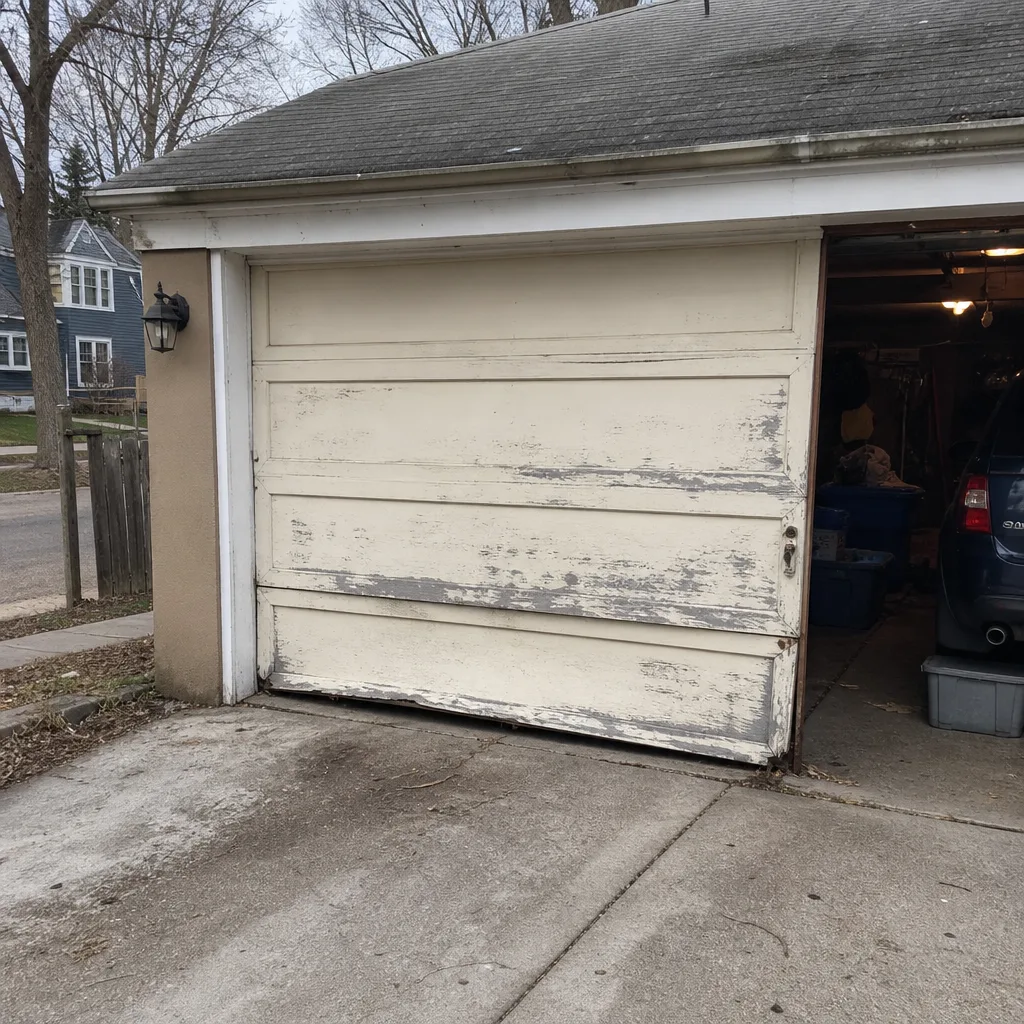 Before
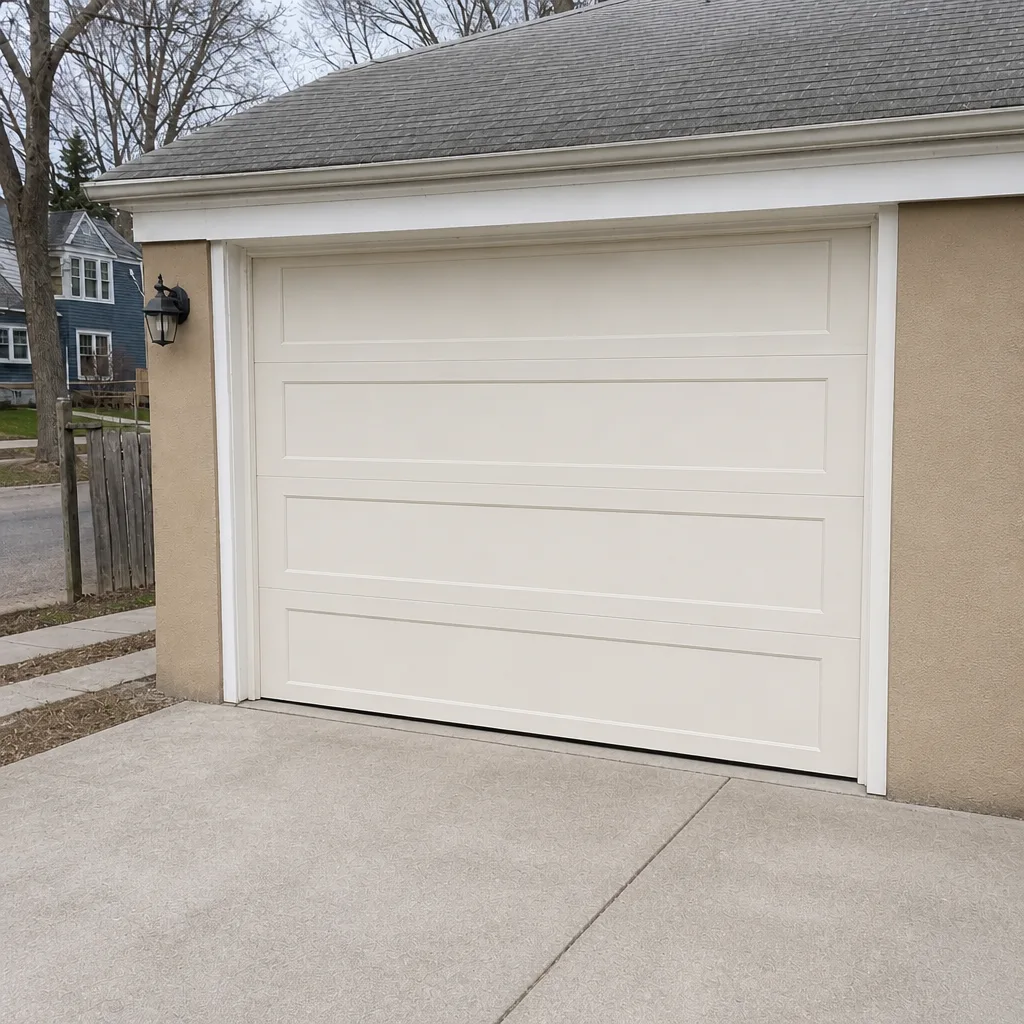 After
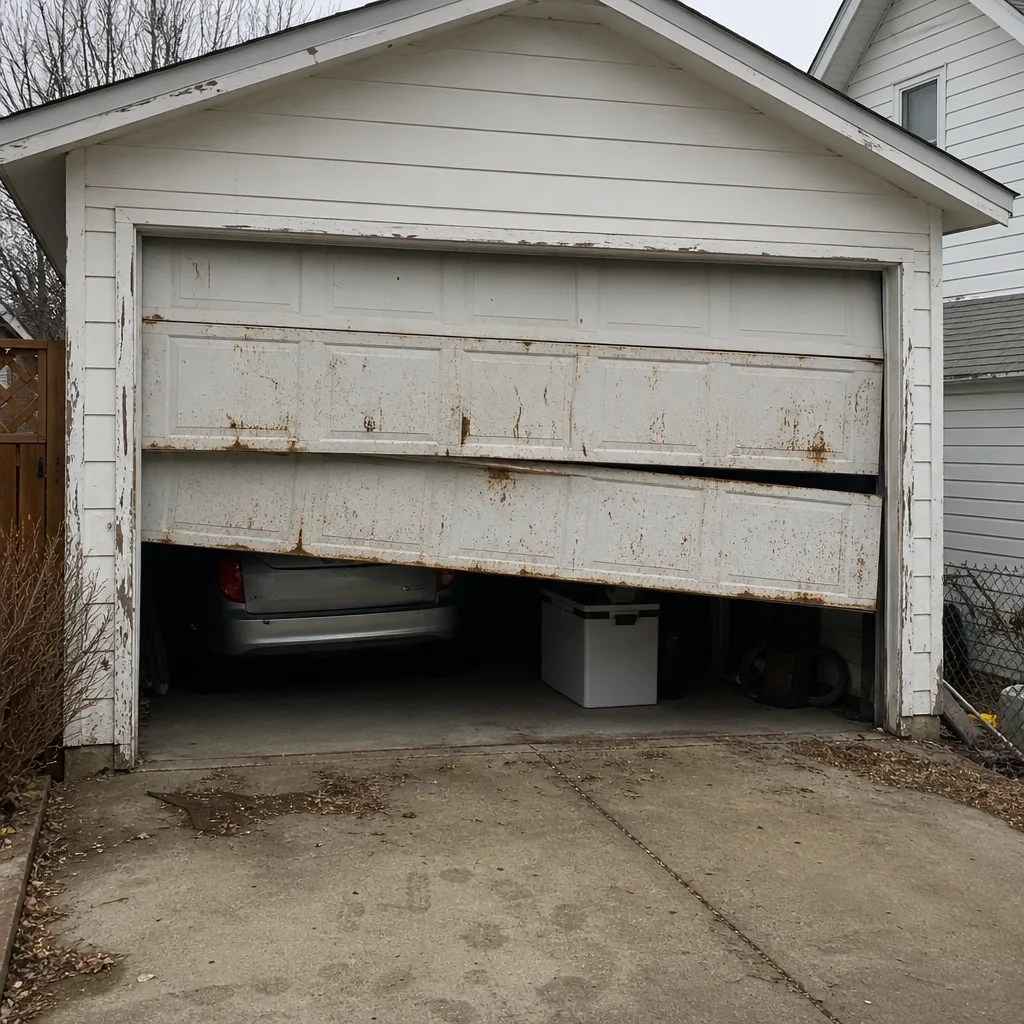 Before
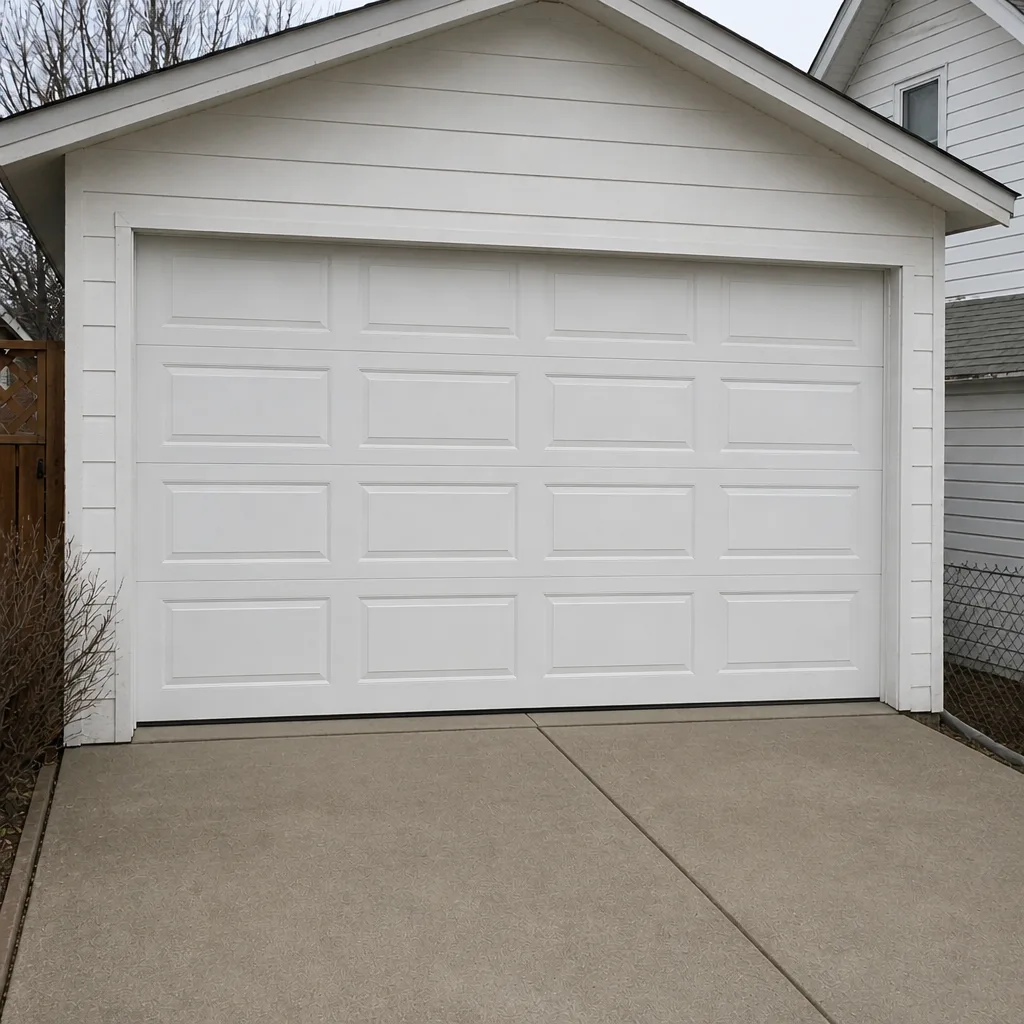 After
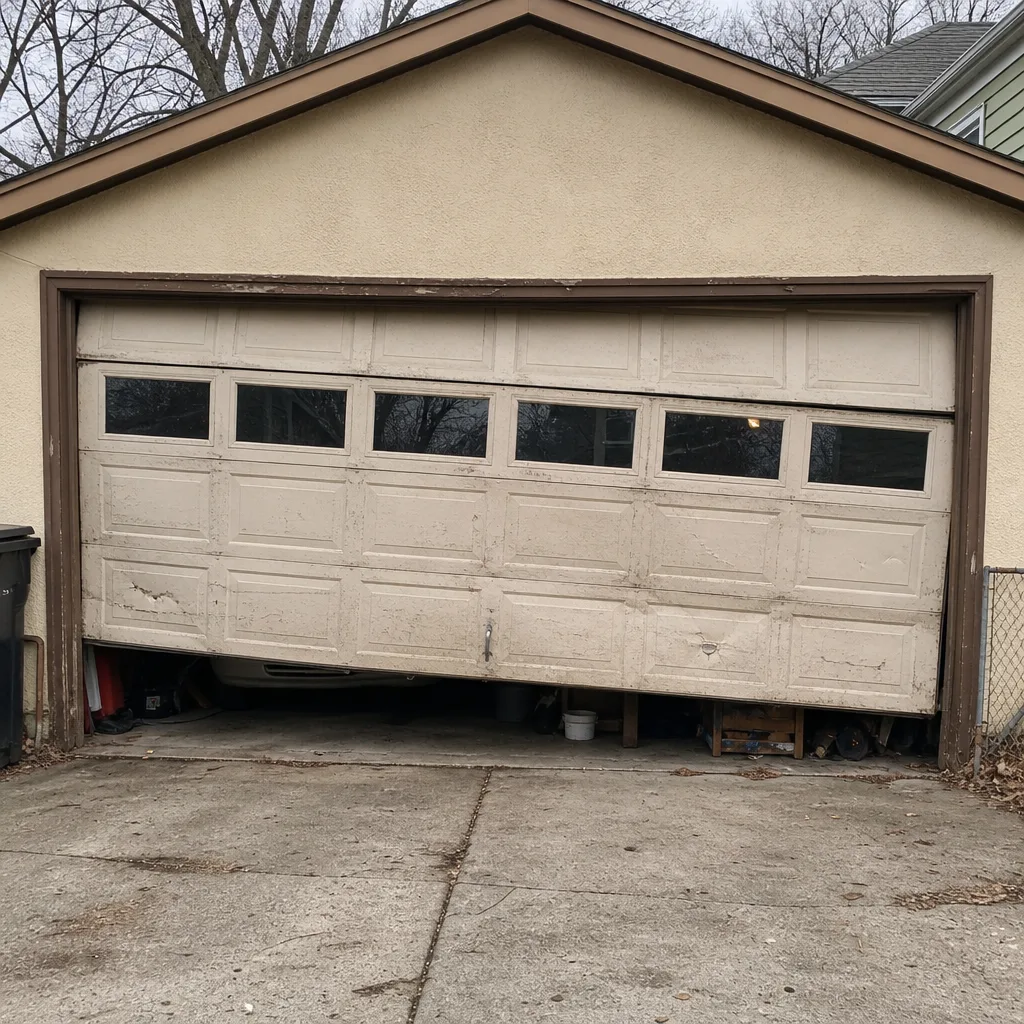 Before
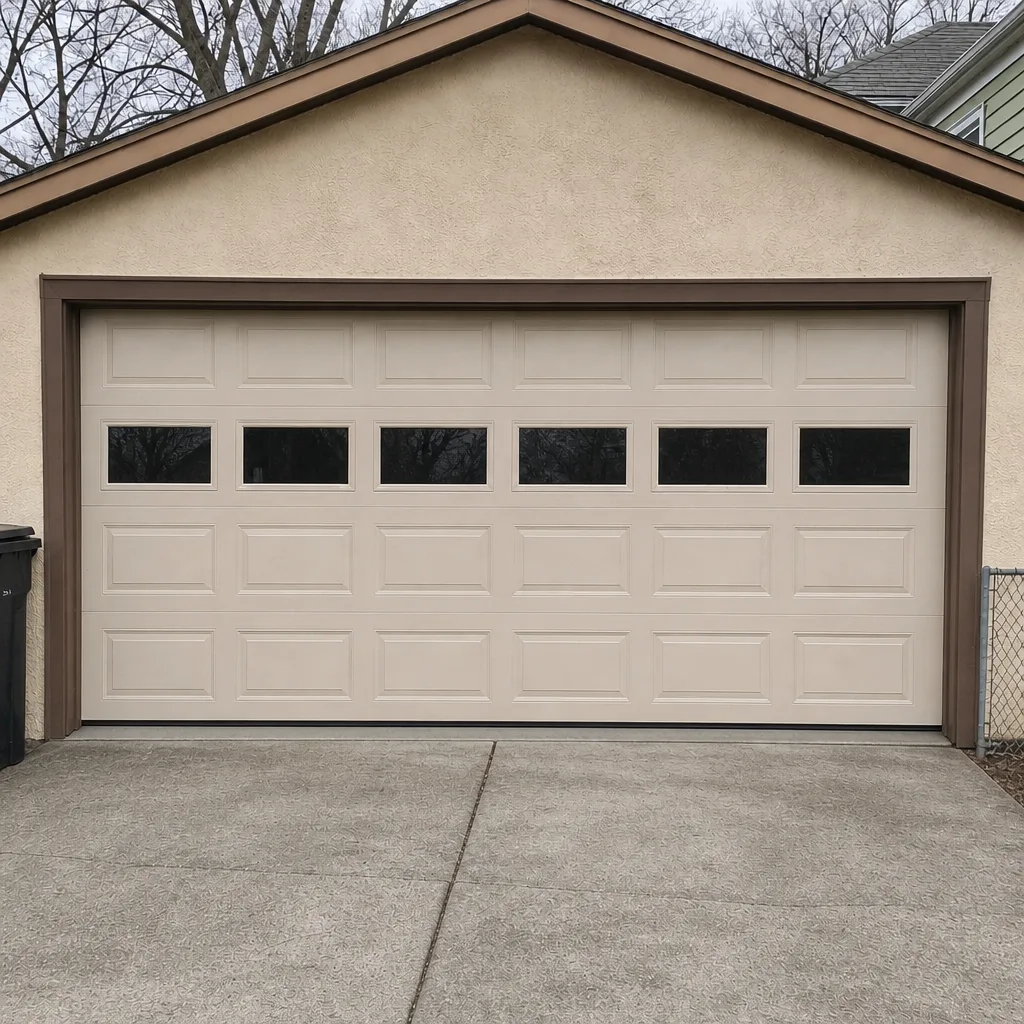 After
Frequently Asked Questions
Spring repair pricing depends on whether you have a torsion or extension system, the number of springs, and the door’s weight. A single garage door spring replacement typically falls in the middle range of repair costs, and a matched pair runs roughly double that. Ask for an itemized quote so you can see the parts and labor separately. Call (855) 771-4075 for an exact quote – estimates are free.
Yes – emergency garage door service is a core part of what we do, and if your door won’t close or won’t open, call us and we’ll get a specialist out as quickly as we can. We’re open Sunday through Friday, 7am to 7pm, and closed Saturday; if your door fails on a Saturday, call us and we’ll book you for Sunday.
It shouldn’t, if you have an itemized written quote. We quote the price and agree it before any work starts, so the number on the estimate is the number you pay, assuming the diagnosis matches what was quoted. If the technician finds something the quote didn’t cover, they should tell you before doing the work, not after.
Any professional we connect you with is licensed as their state requires and carries insurance. Ask for proof of general liability coverage before work begins, and ask specifically about garage door brand training – a general contractor license alone does not certify someone to work on torsion springs or high-tension cables safely.
Ask whether they’re familiar with the brand already in your garage – Clopay, Amarr, Wayne Dalton, and Craftsman are all common in this area, along with major opener brands like LiftMaster, Chamberlain, and Genie. A specialist can talk about the quirks of your specific system. A generalist usually can’t.
Most routine repairs, like a spring replacement or opener fix, are completed in a single visit. More involved work, like a full door replacement or a track rebuild, takes longer because parts may need to be ordered. Your contractor should give you a realistic timeframe in the quote, before any work is scheduled.
The Bottom Line
Hiring well in Hamline-Midway comes down to filtering for genuine garage door specialization before anyone shows up. Ask what percentage of their work is garage doors, whether they know your specific brand, and how they itemize a quote. Read the quote line by line – parts, labor, number of springs, disposal, and testing should all be visible. Treat same-day pressure to sign as a red flag, and check references on durability, not just politeness. A specialist who does the job right the first time saves you the cost of doing it twice. When you’re ready for an itemized estimate, call us at (855) 771-4075 – estimates are free.
Written by the team at Garage Door Repair Hamline-Midway.