Last updated November 21, 2026
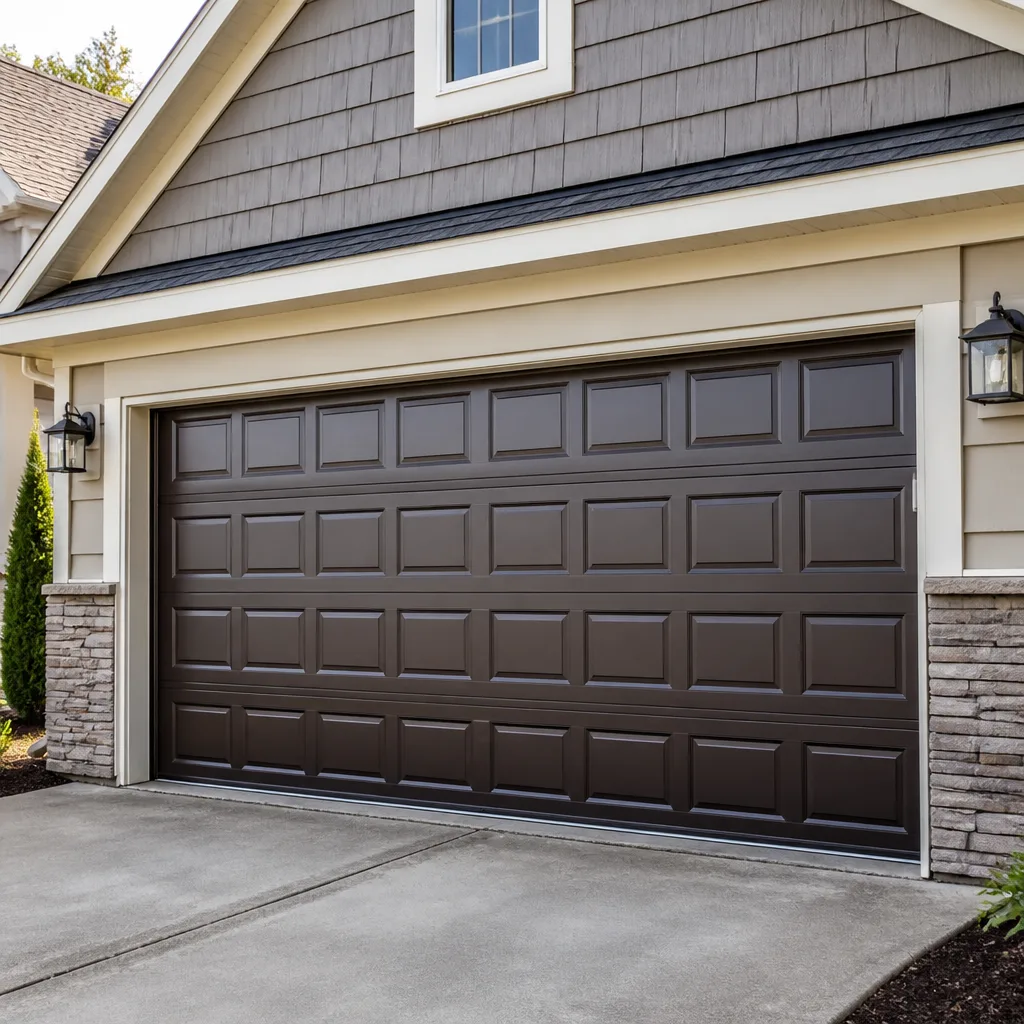 Raised-panel steel
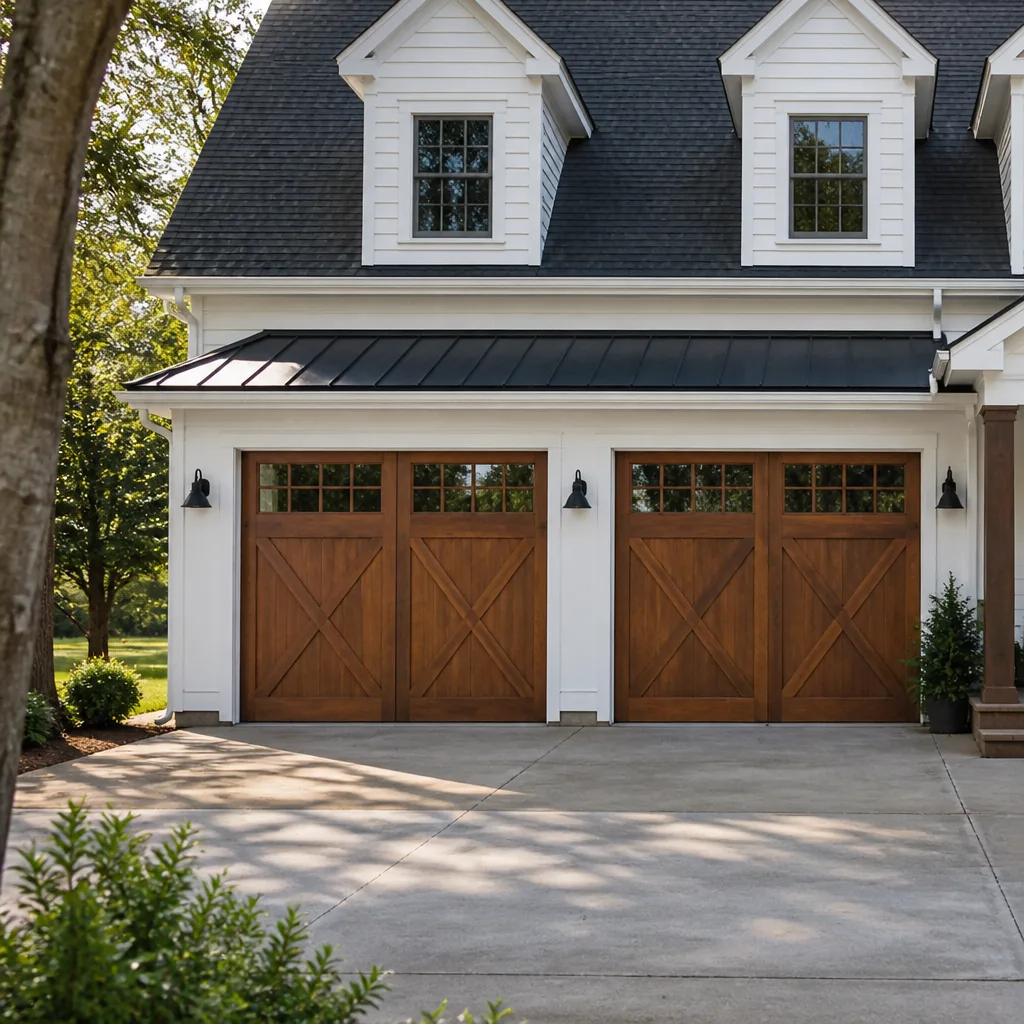 Carriage house
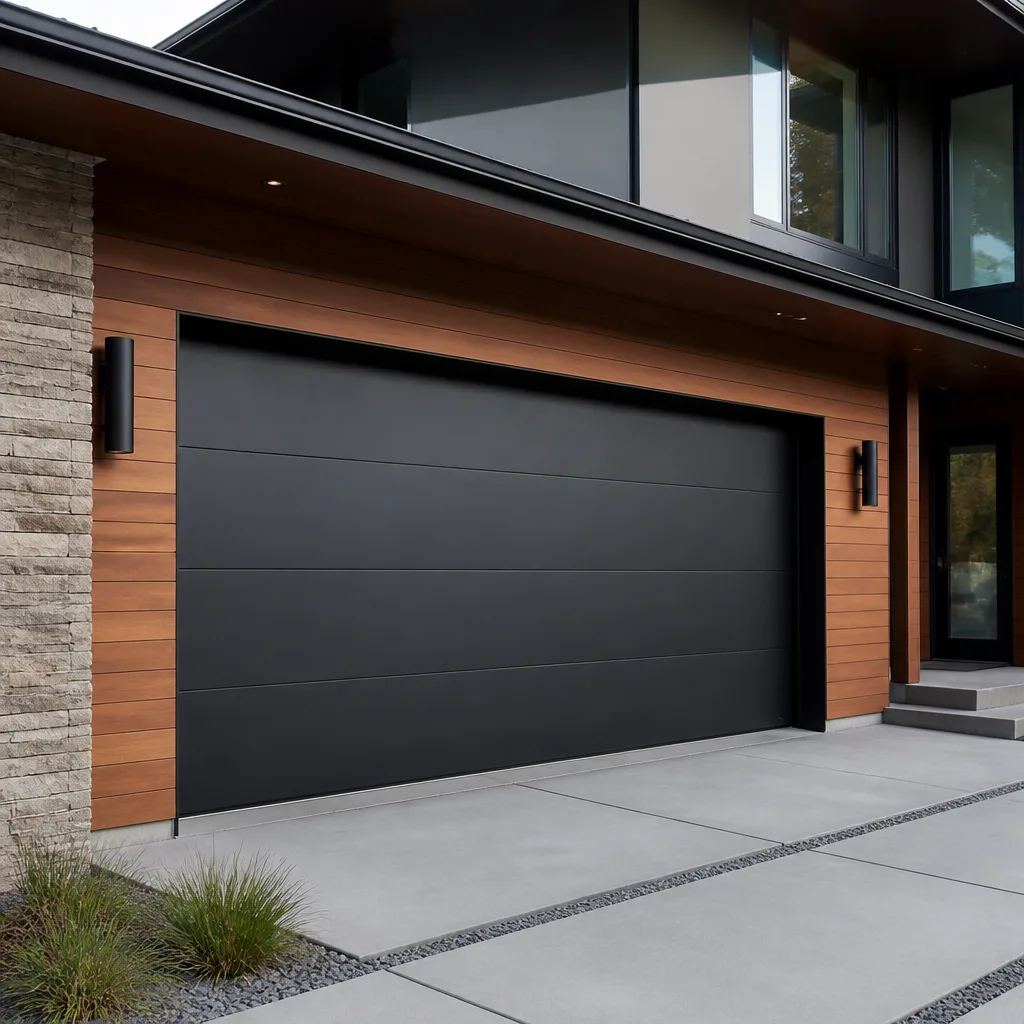 Modern flush
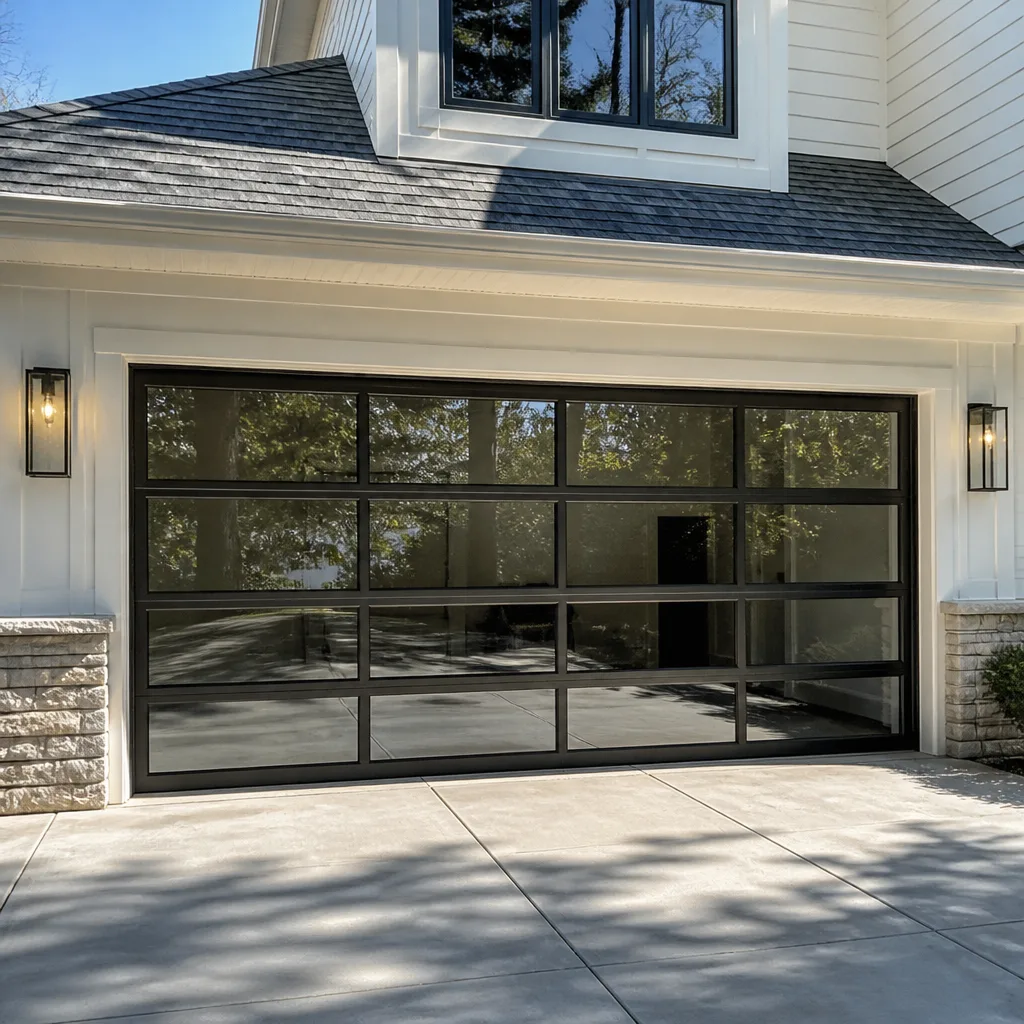 Full-view glass
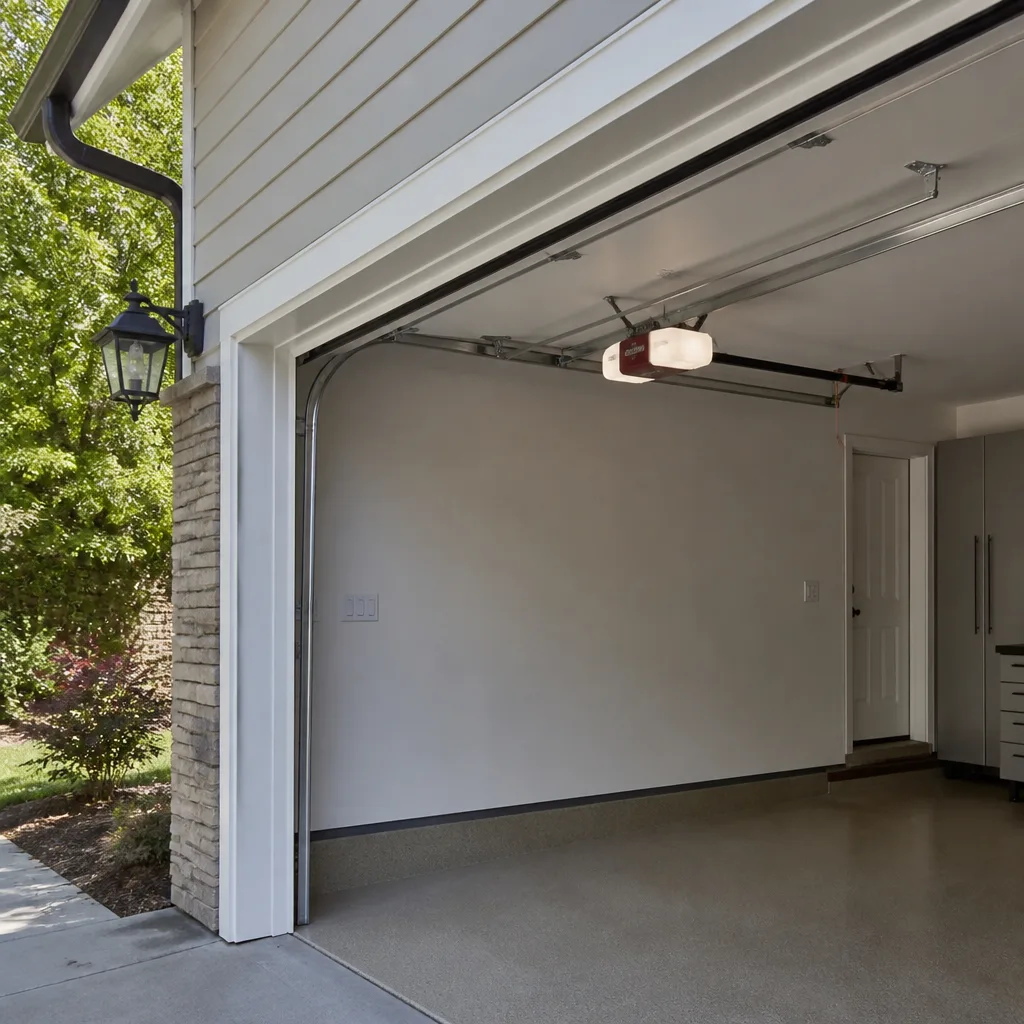 LiftMaster openers
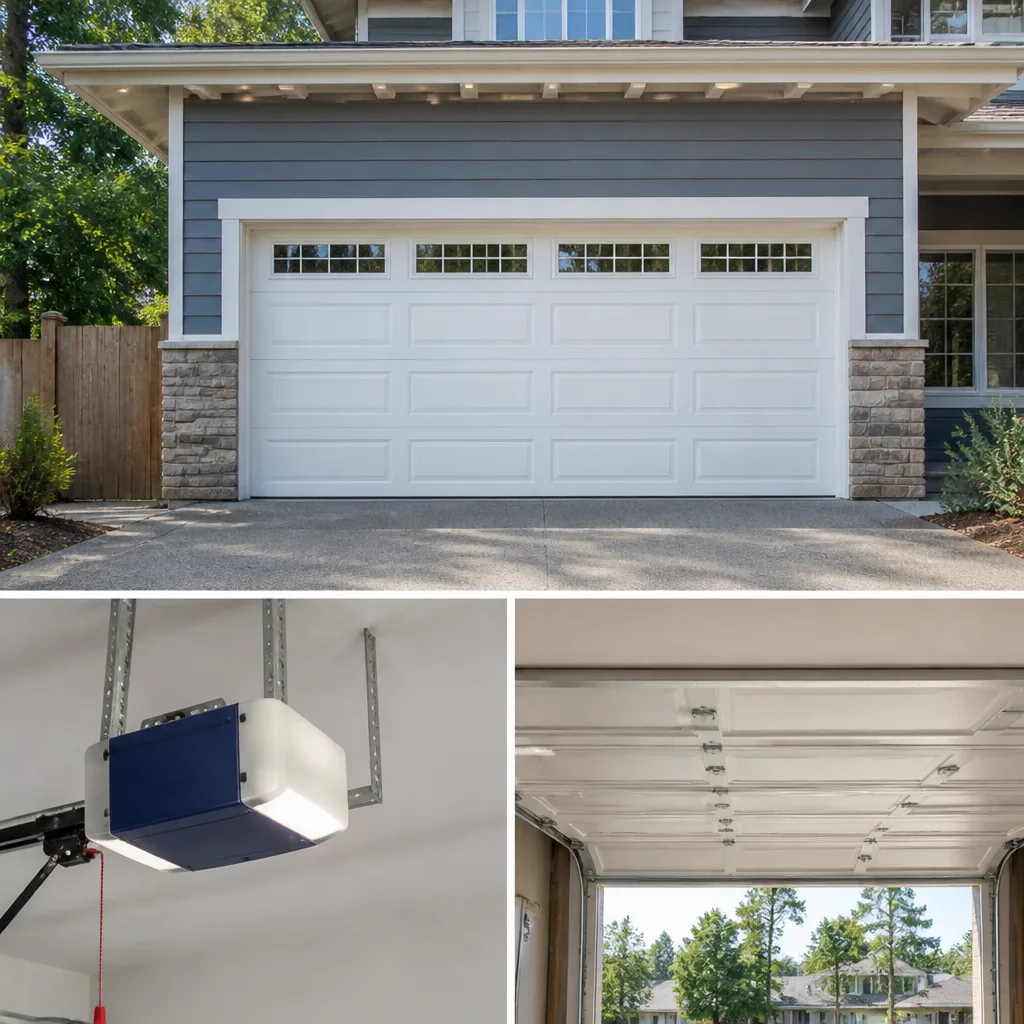 Chamberlain openers
Full 25-point door and opener safety check with every visit - springs, cables, rollers, tracks, and your LiftMaster or Chamberlain opener included
You get a price before we start. It does not change when the pro arrives.
Get your free estimateGarage Door Warning Signs: A Hamline-Midway Homeowner’s Reference Guide
A garage door doesn’t break without warning. It telegraphs the failure weeks or months in advance – and most homeowners don’t know what the signals mean. A door that groans a little louder each winter, an opener that hesitates before it lifts, a gap at one corner that wasn’t there in summer: these are notes in a language most people never learned. A few are harmless. A handful are the door telling you to stop using it today. This guide decodes the symptoms we see across Hamline-Midway, maps each one to the part likely failing, and tells you whether you’re watching or stopping.
Quick Answer
When something’s wrong with your garage door, the earliest warning signs are usually changes in sound (grinding, squealing, popping, or rattling), visible asymmetry (a crooked door, a slack or sagging cable, a bent track), or hesitation from the opener as it opens or closes. Most of these point to a specific component – bearings, rollers, springs, track, or the opener’s motor or logic board – and each has its own urgency level. Signs involving visible cable damage, a bent track, or a door that slams down fast are stop-using-now; signs like a squeaky roller or a noisy chain are safe to schedule.
Styles & brands we work with
- Raised-panel steel
- Carriage house
- Modern flush
- Full-view glass
- LiftMaster openers
- Chamberlain openers
Table of Contents
- The Sound-Based Diagnosis Guide
- The Visual Asymmetry Test
- Response Lag vs. Complete Non-Response
- The Slow-Up, Fast-Down Pattern
- Urgency Triage: Watch vs. Stop
- Why Hamline-Midway Doors Give Different Warnings
- Common Mistakes to Avoid
- When to Call a Professional
The Sound-Based Diagnosis Guide
Garage doors are loud by nature, which is exactly why sound is the hardest signal to read without a reference point. What matters isn’t whether the door makes noise – it’s whether the noise has changed. A door that has run quietly for years and suddenly groans is telling you something specific. Match the new sound to the list below before you decide whether to schedule or panic.
Grinding
Grinding usually points to metal-on-metal contact. The shortlist is dry or worn bearings at the end of the torsion shaft, a chain or belt rubbing against its guide, or a roller that has seized and is dragging rather than rolling. If the grinding starts when the door is about a third of the way up and stops when it settles, bearings are the most likely culprit. Bearing noise is a scheduled repair, not an emergency – but it advances if you ignore it, because a seized bearing transfers stress to the torsion shaft.
Squealing
A high-pitched squeal on the way up or down is almost always a lack of lubrication at a pivot point or at the rollers. Some rollers are sealed and can’t be greased – replacing them is the fix. Squealing alone is a low-urgency symptom. Squealing paired with any unevenness in the door’s lift is not; the pitch is telling you something is binding, and binding eventually wears the opener.
Popping or Snapping
A sharp pop at the start of a lift cycle is the sound of a torsion spring catching as it winds. That can mean a spring is on the edge of failure. If the pop happens twice and then the door works normally, you’re on borrowed time – stop cycling the door and get it looked at. Popping from the opener itself, usually right where the rail connects, often means the gear assembly is losing teeth.
Rattling
Rattling is the most forgiving symptom. Loose hinge bolts, a chain that’s slacked off its tensioner, or panels that have worked loose will all rattle without immediate risk. Tighten what’s visible, then listen again. If the rattle persists after a tighten, you’ve got a worn part that needs replacing.
The Visual Asymmetry Test
You can diagnose most serious garage door problems from the ground without touching anything. This is the test we’d run if we were standing in your driveway, and you can run it yourself in about 60 seconds.
- Look at the gaps. With the door fully closed, look at the horizontal gap between the bottom of the door and the floor. It should be even across the full width. A gap that’s tight on one side and 3/4 inch on the other means the door is unlevel – usually a sign of uneven cable tension or a slack cable on one side.
- Check the tracks for straightness. Crouch and sight down each vertical track like a rifle barrel. The track should be dead straight. Any bow, kink, or outward bend – even a small one – means the rollers are running off-line.
- Inspect the cables with your eyes only. Look at the two cables running from the bottom corners up to the drums at the top. Both should be taut and cleanly wound. A cable with frayed strands, a visible kink, or one that looks looser than the other is a stop-using sign. Never touch a cable under tension.
- Watch the door travel. Stand back (10 feet minimum) and cycle the door up and down. The bottom edge should stay level the whole way. If one side rises before the other, you have unequal tension. If the door shudders at any point, you have a binding track or a worn roller.
- Look at the springs. Above the door, on a torsion setup, you’ll see two springs wrapping the shaft. A spring with a visible gap in its coils has broken. On an extension-spring setup, look for a stretched, sagging spring on either side above the tracks. A broken spring is never a “wait and see.”
Bent tracks and unequal cable tension are the two findings that most often precede a dropped door. In our experience, they get ignored because the door still opens. It does – until the first cold snap or the first heavy cycle, and then the geometry gives out. If you spot either of those two from this test, treat the door as off-limits until a professional looks at it.
Response Lag vs. Complete Non-Response
When an opener starts acting up, the first question to answer is whether it’s hesitating or dead. The two symptoms point at very different parts, and the distinction saves you from replacing a motor that isn’t the problem.
Hesitation
Hesitation – the opener pauses after you press the button, or stutters partway through a cycle – almost always points to the logic board or a sensor issue. The opener is receiving the command but taking extra cycles to process it, or it’s receiving a “reverse” signal from a misaligned sensor mid-travel. LiftMaster and Chamberlain units from the last decade or so are notorious for logic-board failure after a power surge; the motor runs fine but the brain is confused. Genie openers tend to show similar symptoms when the travel limits drift. None of these are emergencies – the door is still functional – but they should be repaired, because repeated stutter cycles wear the gear assembly.
Complete Non-Response
A completely dead opener is a different diagnosis. If the wall button doesn’t work, the remote doesn’t work, and there’s no light or sound from the unit, first check the breaker and the outlet (a simple plug-in lamp test tells you). If power is fine and the opener is still dead, the culprit is usually the logic board, a capacitor, or the transformer inside the unit. Complete non-response is not a “the opener is worn out” verdict by itself – we’ve seen plenty of units declared dead that were a board or a $15 switch away from running again. If the opener is a Raynor or a LiftMaster, it’s worth having it looked at before you sign off on a replacement.
On either diagnostic path, a technician who works these brands every day will usually identify the failing component in the first visit. If you want to book that visit, our garage door opener repair covers both hesitation and full non-response.
The Slow-Up, Fast-Down Pattern
This is the failure mode homeowners misdiagnose more than any other. The door rises slowly, or takes extra effort from the opener to get moving. It comes down noticeably faster, sometimes dramatically so, and lands with a slam. The natural conclusion is that the opener is getting tired. The actual answer, in almost every case, is that the torsion spring is fatigued.
Here’s the mechanism. The torsion spring’s job is to counterbalance the door’s weight – think of it as a rubber band pre-tensioned to carry most of the load. A healthy spring makes the door feel light; the opener only has to nudge it. As the spring fatigues, it counterbalances less. The opener has to lift more of the door’s real weight on the way up, so the lift slows. On the way down, the fatigued spring isn’t holding the door back, so gravity wins and the door drops fast. The opener is doing exactly what the spring told it to. Replacing the motor would just push the same load onto a new motor and burn it out faster.
Spring fatigue is gradual, which is why it goes unnoticed. A door that was counterbalanced perfectly five winters ago is now maybe 20% under-counterbalanced, and nobody notices until the opener starts straining. Two corollaries follow:
- If the slow-up pattern appears, don’t replace the opener first. Have the spring and counterbalance checked. Replacing an opener without addressing a fatigued spring shortens the new opener’s life.
- If the fast-down pattern gets violent – the door slams hard enough to bounce – stop using the door and disconnect the opener. A door with a fully failed spring is a falling weight, and the opener’s safety reverse may not catch it in time.
Springs are a high-risk component. The torsion spring on a standard residential door is under hundreds of pounds of tension when wound, and the wrong tool or the wrong grip can turn a repair into an injury in a fraction of a second. This is not a DIY job and not a general handyman job. Our Garage Door Repair Hamline-Midway handles spring work with the proper winding bars and safety protocol, and it’s the one service we’d most strongly steer you away from tackling yourself.
Urgency Triage: Watch vs. Stop
Here’s the table we’d hand a homeowner standing in their driveway. Match the symptom to the row, then follow the response column.
Stop using the door today – call for emergency service
- Visible cable damage or slack cable. A frayed, kinked, or slack cable is the single biggest risk for a dropped door. Do not cycle the door. Disconnect the opener if it’s connected.
- Bent or kinked vertical track. A bent track means the rollers are running off-line, and the door can drop or come off the track with the next cycle.
- Broken spring (visible gap in the coils, or door weighted beyond what the opener can lift). Do not attempt to open the door manually – the door will be far too heavy, and forcing it stresses the cables.
- Door slams on close. Fast-down travel with a hard landing means the spring has failed or the counterbalance has gone.
- Door opens unevenly – one side rising before the other. Unequal tension is a pre-drop condition.
Schedule a repair – safe to use with caution
- Grinding, squealing, or popping sounds without any visible asymmetry. Use the door normally until the scheduled visit; don’t ignore it past a couple of weeks.
- Opener hesitation or stutter. Still functional. Book the logic-board or sensor diagnosis before the wear advances.
- Slow-up, fast-down pattern. Spring fatigue is the likely cause. Normal use is fine for a scheduled repair, but if the door moves faster than it did last week, move it up to the stop list.
- Rattling or loosened hardware. Tighten what’s accessible. If the noise persists, book it.
When a door has crossed into the stop-using category, that’s the moment for garage door repair before anything else on your list. Disconnecting the opener (pull the red release cord) is a safe step; the disconnect disengages the opener but doesn’t disable the door’s weight, so keep the door down and don’t force it up manually.
Why Hamline-Midway Doors Give Different Warnings
Garage doors in Hamline-Midway follow a different wear calendar than doors in, say, a dry mountain town or a Gulf Coast suburb. The local climate and the neighborhood’s housing stock both push the same warning signs into view, but on a different schedule. Three things stand out to us working this neighborhood.
Winter cold cycles drive spring fatigue. Hamline-Midway sees serious cold, and the freeze-thaw cycle of a Minnesota winter works on steel springs the same way it works on anything else that has to bend and hold. Cold temperatures make steel more brittle, and a spring that’s at 80% of its fatigue life in October will often fail in January. If your door gets noticeably heavier in winter, that’s not just the cold – the spring is telling you it’s near the end.
Temperature swings push track alignment. The same swings that fatigue springs move the house itself. Wood-framed garages, which dominate much of the neighborhood, expand and contract across the seasons, and a track that was plumb in July can be slightly out of line by February. That’s the slow drift you read about in the asymmetry test above, and it’s why Hamline-Midway doors often show track issues that a milder climate wouldn’t produce.
Older housing stock means older openers. Many homes in Hamline-Midway carry openers that are a decade or more old. That’s fine – plenty of older LiftMaster and Chamberlain units run for years with nothing but a board swap. But it changes how we read a symptom. An opener stutter on a newer unit is usually a sensor; on an older unit it’s worth looking at the logic board as well. Our technicians have up to 8 years of experience across the brands you’re most likely to have in your garage – LiftMaster, Chamberlain, Genie, Raynor, Clopay, Amarr, Wayne Dalton, Craftsman – so we already know what an older unit in this neighborhood is likely to do.
When a door needs a full replacement rather than a repair, the same cold-climate factors matter. If your door is beyond patching, our garage door installation covers the full range, and we’ll talk about insulation and door weight for a Minnesota winter when we measure.
See the difference
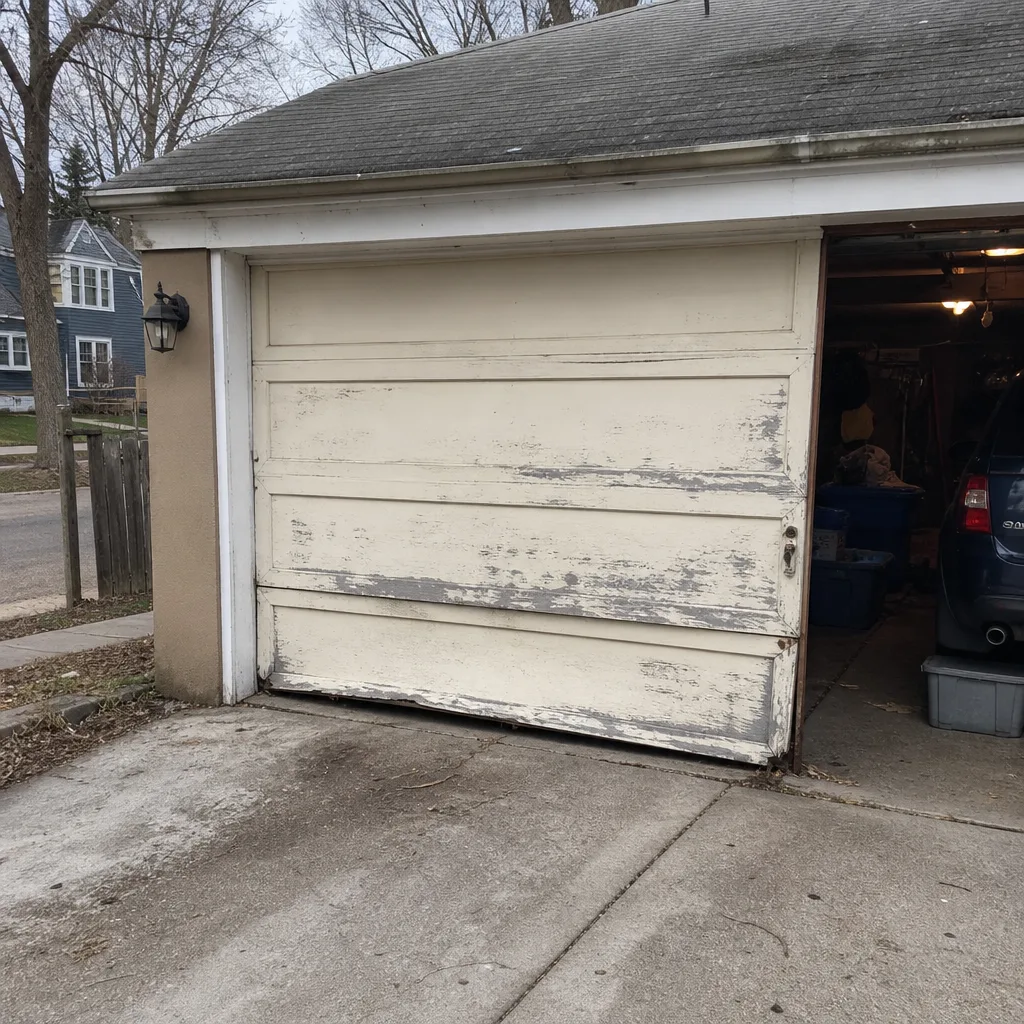 Before
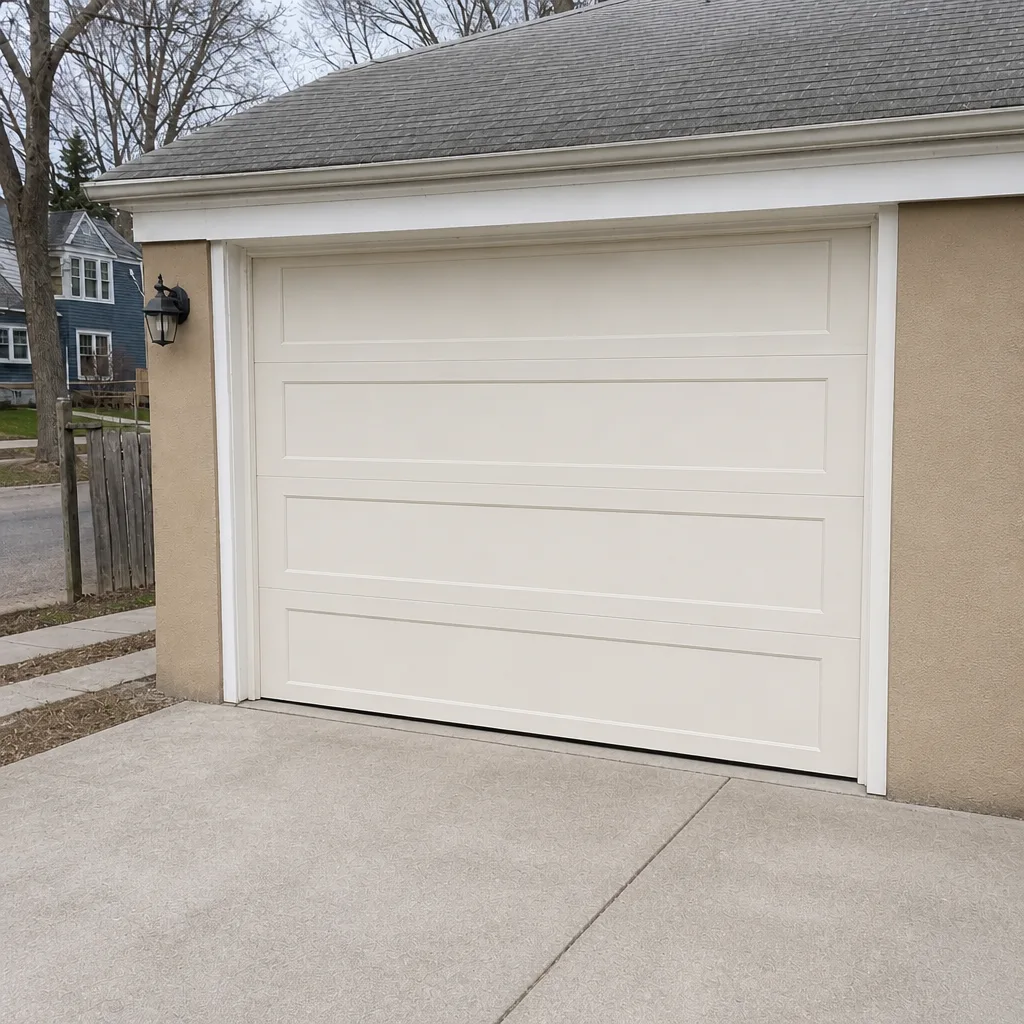 After
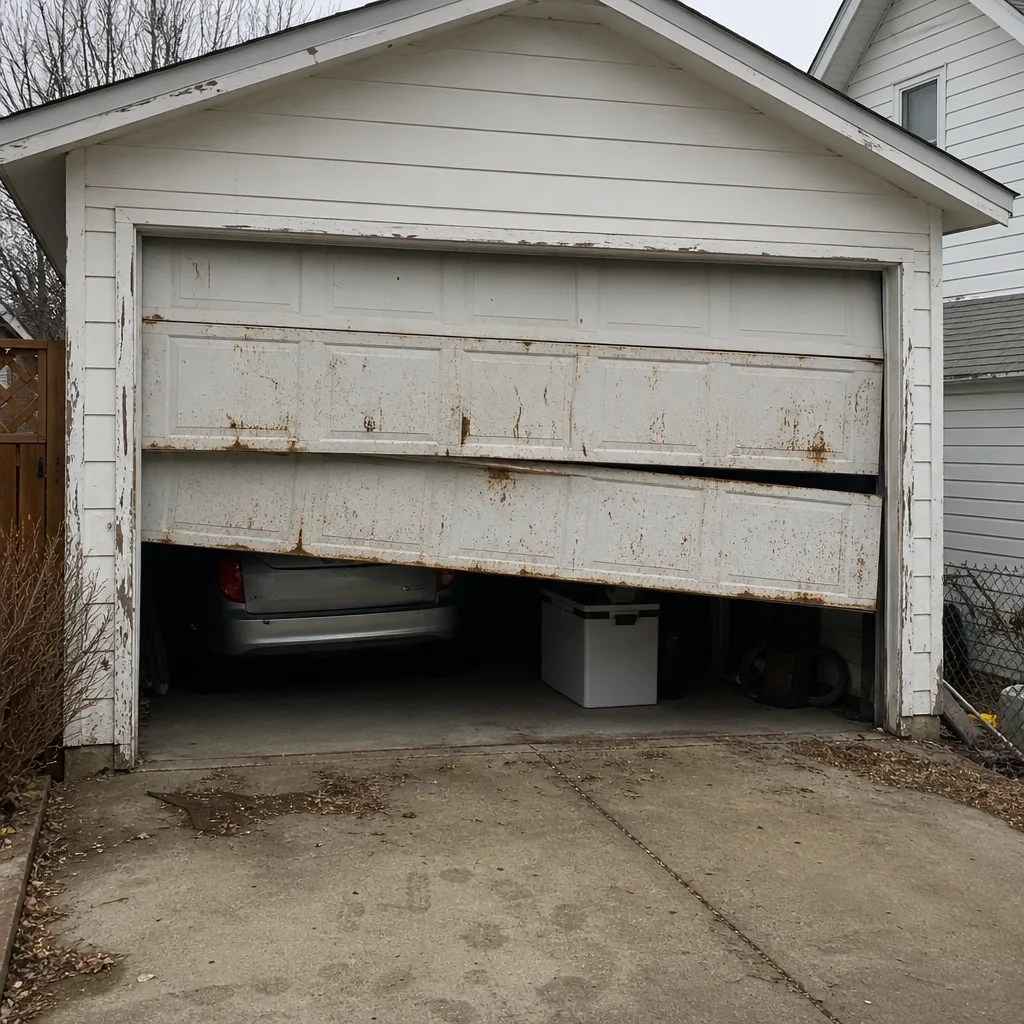 Before
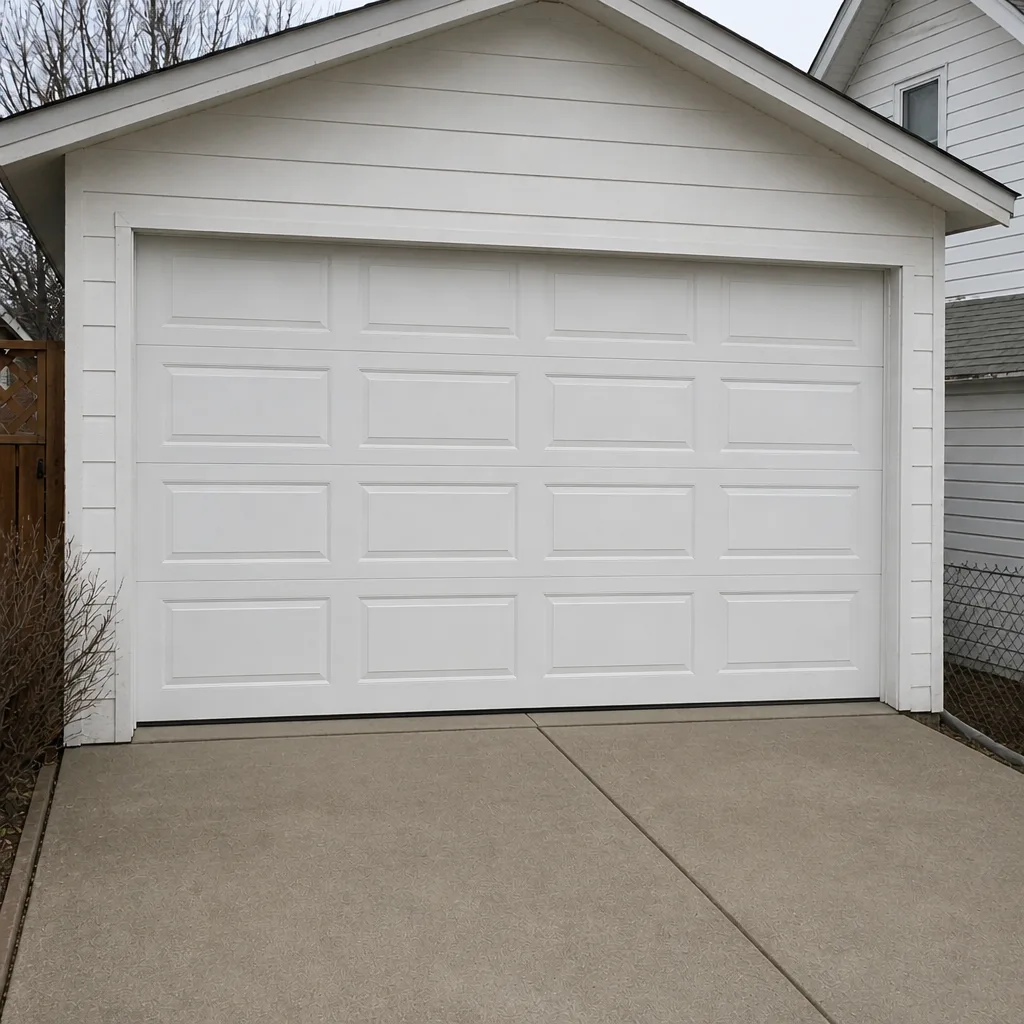 After
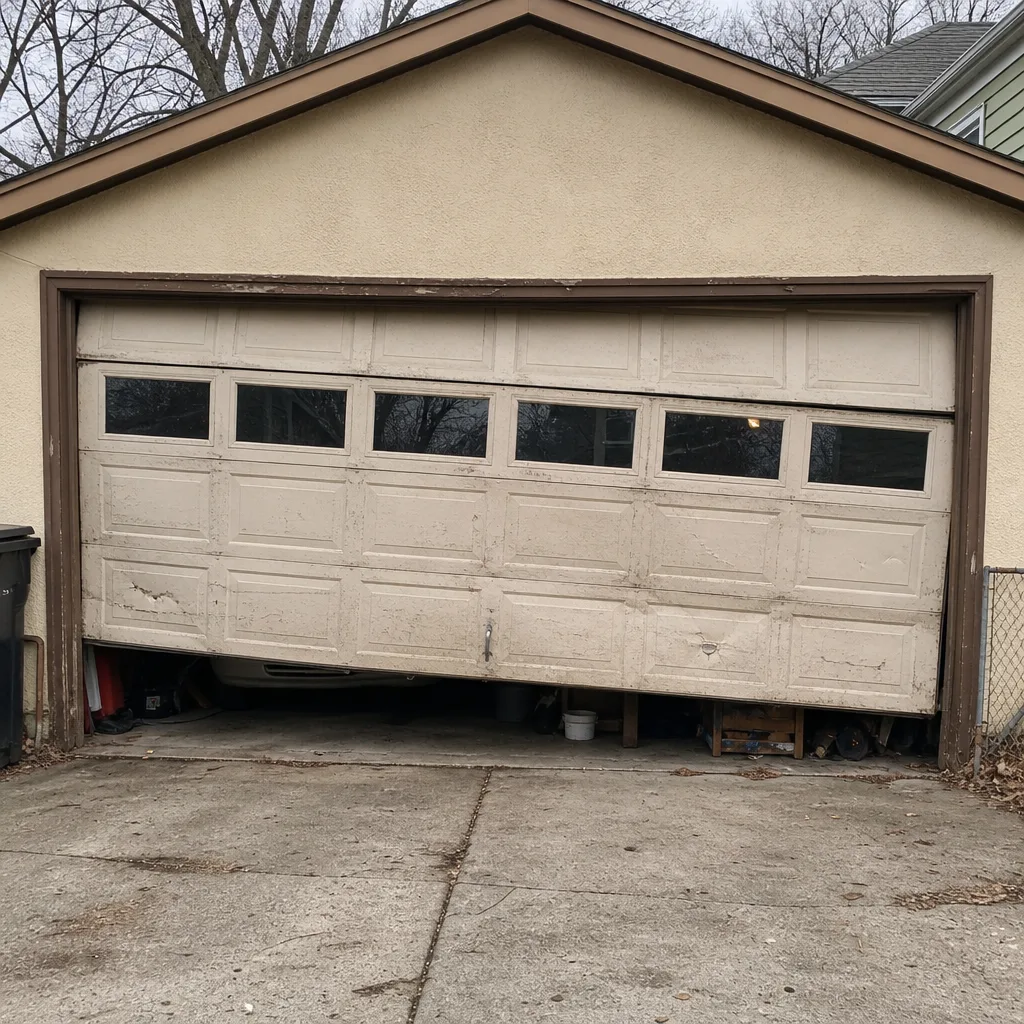 Before
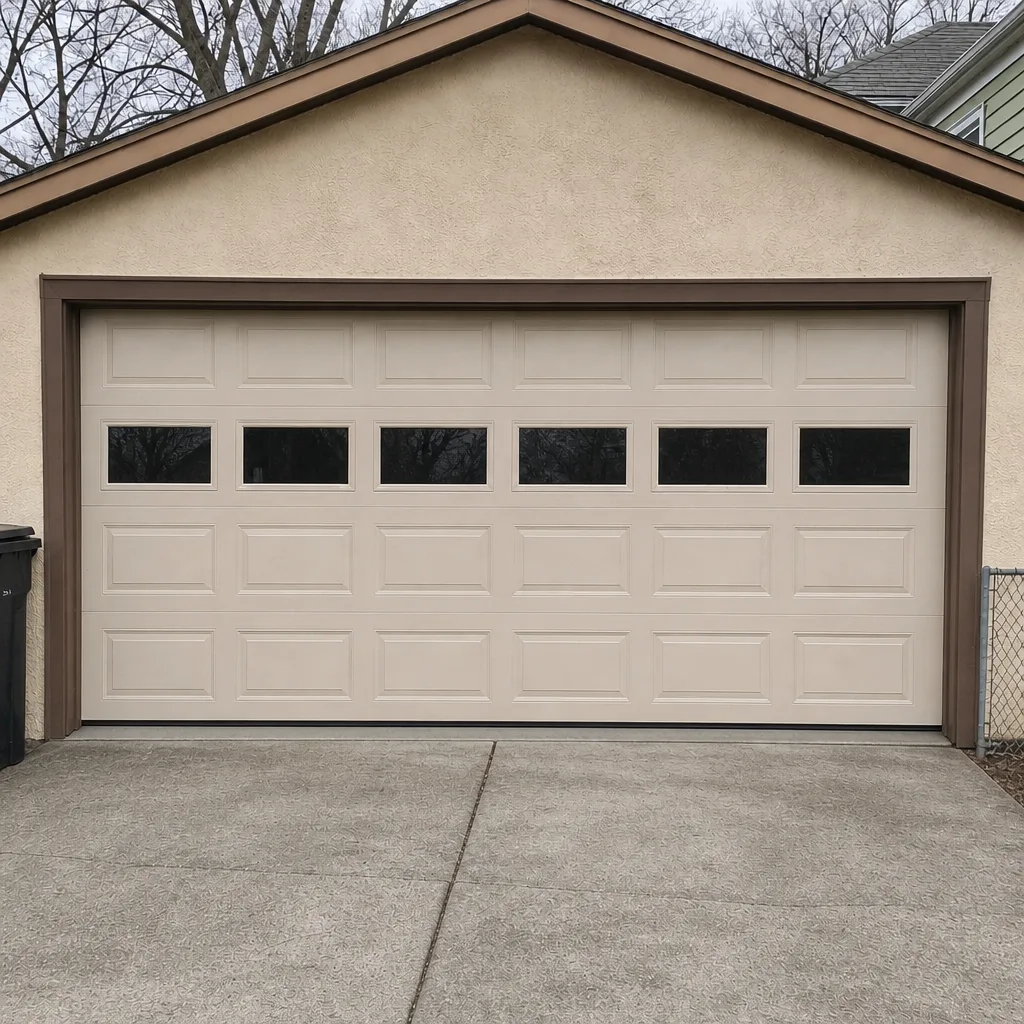 After
What Each Warning Sign Usually Means
Here’s the symptom-to-cause reference, structured so you can match what you’re seeing to the part that’s probably behind it. Use this to ask better questions when you call, not to self-diagnose a repair.
- Grinding on the way up. Worn or dry bearings on the torsion shaft, or a seized roller. Scheduled repair.
- Squealing throughout the travel. Dry pivots or sealed rollers that have lost their grease. Replace the sealed rollers; grease the pivots. Low priority.
- Sharp pop at the start of a lift. Torsion spring catching on the wind. Stop using; schedule same-week.
- Rattle that changes with speed. Loose hinge bolts or a slack chain. Tighten and re-listen.
- One side rising first. Unequal cable tension or a slack cable on one side. Stop using.
- Visible gap in spring coils. Broken spring. Stop using; call for emergency service.
- Bent or bowed vertical track. Impact or long-term roller wear. Stop using; replace track.
- Opener hesitation after button press. Logic board, capacitor, or sensor drift. Scheduled repair.
- Opener completely dead. Breaker, capacitor, board, or transformer. Diagnose before replacing.
- Slow up, fast down. Spring fatigue. Stop using if the down-travel has become a slam.
One recurring theme: the signs that point at the spring are the ones most often misattributed to the opener. If you take one rule from this section, make it this – a door that gets heavier without the opener changing has a spring problem, not an opener problem.
Common Mistakes to Avoid
- Replacing the opener when the spring is the problem. A fatigued spring and a slow-lifting door look the same from the wall button. Replacing the motor pushes the same load onto a new motor and shortens its life. Diagnose the spring before you sign off on a new opener.
- Forcing a heavy door up by hand. Once a spring has failed, the door can weigh what a small car weighs. Forcing it up bends the tracks, over-stresses the cables, and risks a real injury. Leave it down and call.
- Touching a cable under tension. Cables are the second most dangerous component after springs. A visually frayed or slack cable means the door stops today. Do not try to re-seat it, tighten it, or “test” it.
- Ignoring a single bent track segment. Minnesota temperature swings make a slightly-out-of-line track feel normal by spring. It isn’t – a roller running off-line will eventually pop out, and the door drops.
- Greasing everything in sight. Not every moving part wants lubricant. Sealed rollers, for instance, should be replaced rather than greased; greasing one can attract grit and accelerate wear. Match the lube to the part.
- Assuming winter heaviness is just the cold. It’s often the spring. A door that feels heavier in January than it did in October is giving you a fatigue signal weeks or months before the failure.
- Hiring a general handyman for a spring or cable repair. These are the two repairs that require proper winding bars, training, and safety protocol. A handyman who does garage doors on the side doesn’t have the tooling, and the failure mode is not cosmetic.
When to Call a Professional
Call for a professional visit when any of these apply: a visible gap in the spring coils, a frayed or slack cable, a bent vertical track, a door that opens unevenly, a door that slams on close, or a slow-up/fast-down pattern where the down-travel has become aggressive. Those are stop-using signs, and they warrant same-day or emergency attention. Call for a scheduled visit when you’re hearing new grinding or popping without visible damage, when the opener stutters or hesitates, or when the door rattles after a tighten. Garage Door Repair Hamline-Midway offers free estimates in Hamline-Midway – call (855) 771-4075. Every price is quoted and agreed before any work starts, so there’s no surprise on the invoice.
Reading Warnings Across Hamline-Midway’s Housing Stock
Not every garage in Hamline-Midway gives the same warning signs, and the housing stock shapes what to look for. The neighborhood’s mix of older homes, rental conversions, and small apartment buildings with shared garages produces two distinct diagnostic profiles.
Single-family homes on the older residential blocks often have original or once-replaced doors paired with openers that have been updated at least once. That combination is prone to the slow-up/fast-down spring pattern, because the door is heavier than the original opener was specified for and the spring is carrying more of the load than it should. The warning sign to watch there is the door feeling heavier in January than it did in October – spring fatigue, not an opener issue.
Rental property owners and small landlords managing multi-unit buildings on garage access face a different problem: warning signs get reported late or not at all. A tenant who hears grinding on the way to work doesn’t always pass it on. The two signs worth asking tenants to report immediately are a door that won’t close (a security exposure, worth immediate repair) and a door that slams on close. For rental properties, we’d suggest a walkthrough every change of tenant and a quick visual run of the asymmetry test above – it catches the two highest-risk signs, bent tracks and unequal tension, in under a minute.
When you’re replacing rather than repairing a door on an older Hamline-Midway home, the door’s weight and insulation matter for a Minnesota winter. We’ll talk through both at the measure – and the measure is the moment to raise anything you’ve noticed about the door’s warnings, since a full replacement resets the spring and track geometry entirely. A new door means a new spring schedule; the warning signs you learned here still apply from day one.
Frequently Asked Questions
The earliest warning sign is almost always a change in sound – a door that’s become noticeably louder, or one that has developed a new noise where it was previously quiet. That’s the signal to run the visual asymmetry test and match the sound to the diagnosis guide above. Call (855) 771-4075 for an exact quote on anything the test surfaces – estimates are free.
Typical spring repair estimates in the Hamline-Midway market run in the $180-$340 range for a single torsion spring, and a matched pair is usually replaced together, so a pair typically lands near double that range. The written estimate we give you sets the final price. Call (855) 771-4075 for a free estimate – the price you agree to is the price on the invoice.
Yes – a door that won’t close is a same-day priority because the garage is a security opening. Call (855) 771-4075 and describe the symptom you’re seeing; if it’s a cable, track, or spring failure we’ll get someone out today. Emergency garage door service is a core offering for us, not an upsell.
No – the price is quoted and agreed before any work starts, and the written estimate we give you is what the invoice reflects. If the diagnosis changes what’s needed, we talk it through with you before touching a tool. Call (855) 771-4075 to book the estimate.
The local professionals we connect you with are licensed and insured as their state requires, and they work on garage doors exclusively – not as a side trade. Our technicians have up to 8 years of experience on the brands in your garage, including LiftMaster, Chamberlain, Genie, and Raynor. Call (855) 771-4075 with any question about credentials before you book.
Almost certainly not. That pattern points to spring fatigue, not the opener – the spring is counterbalancing less of the door’s weight, so the opener strains on the way up and gravity wins on the way down. Replacing the opener without addressing the spring shortens the new opener’s life. Call (855) 771-4075 and have the spring and counterbalance checked first – estimates are free.
The Bottom Line
Most garage door failures announce themselves weeks before they happen. The warning signs to internalize are: a new sound where there wasn’t one, a gap that’s larger on one side than the other, a track that isn’t dead straight, an opener that hesitates or stalls, and a door that’s gotten slow going up and fast coming down. Anything involving a visible cable, a bent track, or a door that slams on close is stop-using-now. Anything involving sound, rattle, or hesitation is a scheduled repair. Run the visual asymmetry test when anything changes; it catches the two highest-risk signs in under a minute. If your Hamline-Midway door is giving you one of the signs in this guide, call (855) 771-4075 for a free estimate. We work on the brand already in your garage, and the price is agreed before any work starts.
Written by the team at Garage Door Repair Hamline-Midway.