Last updated November 21, 2026
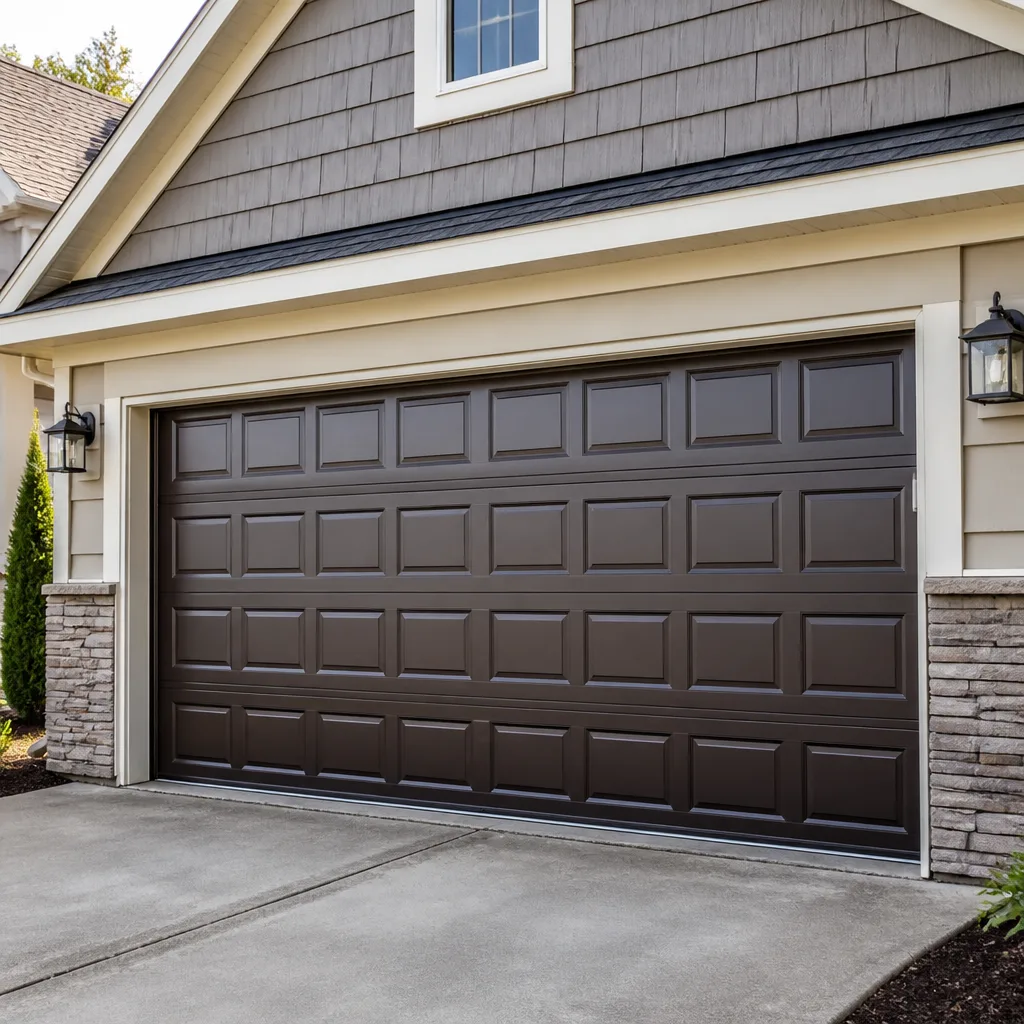 Raised-panel steel
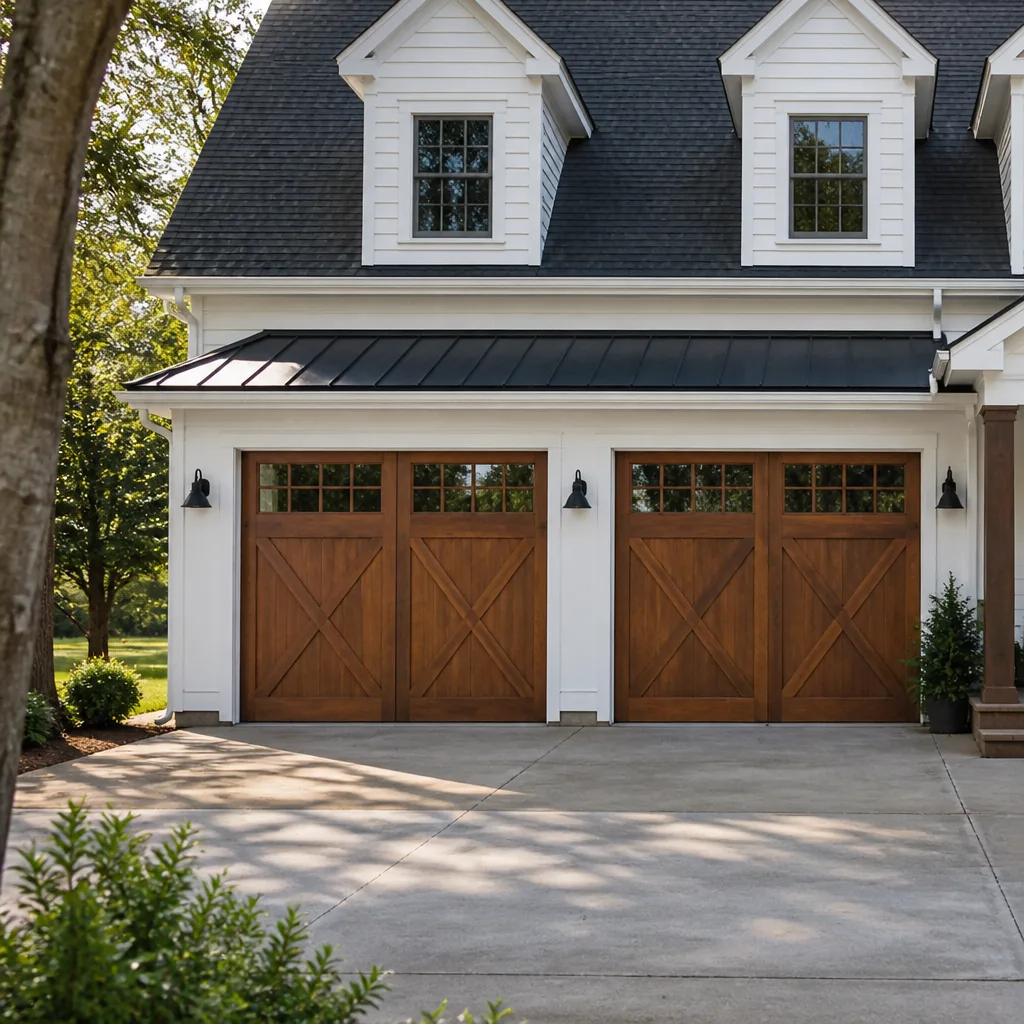 Carriage house
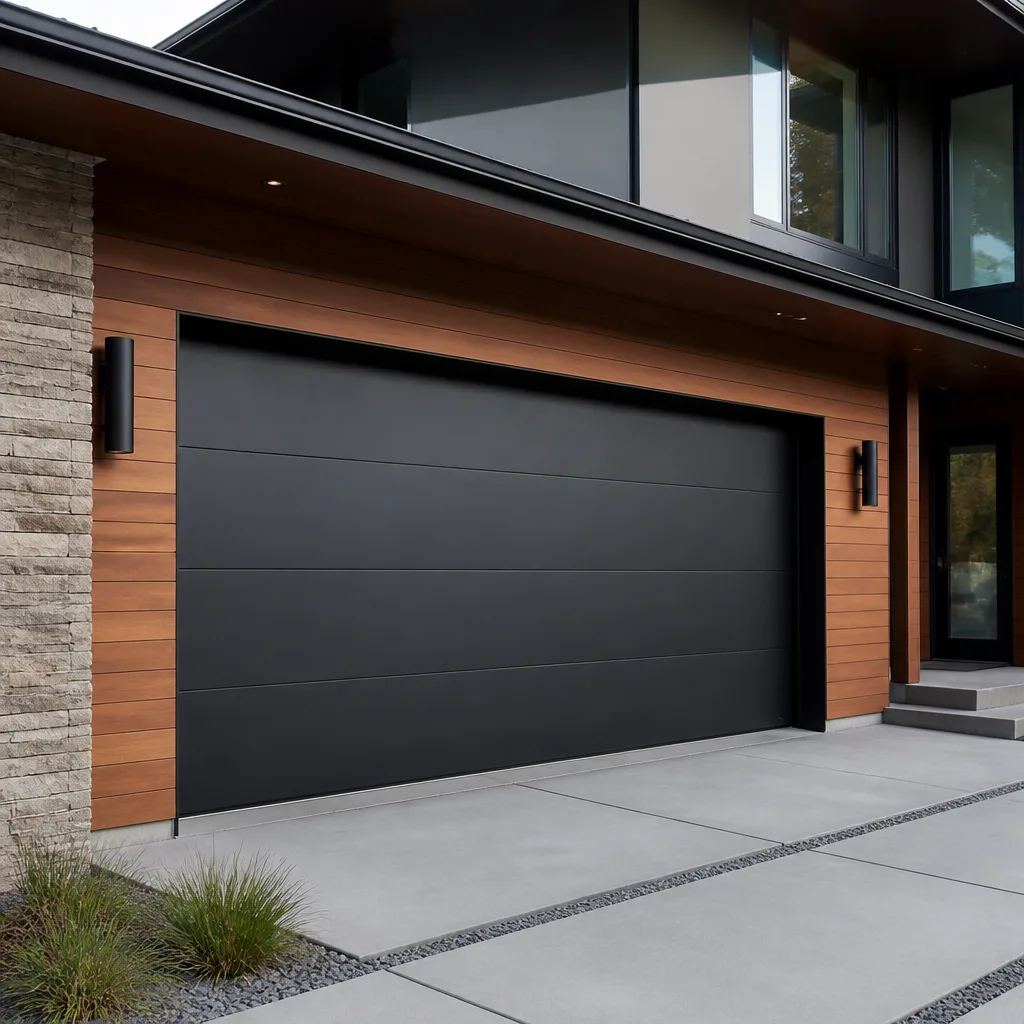 Modern flush
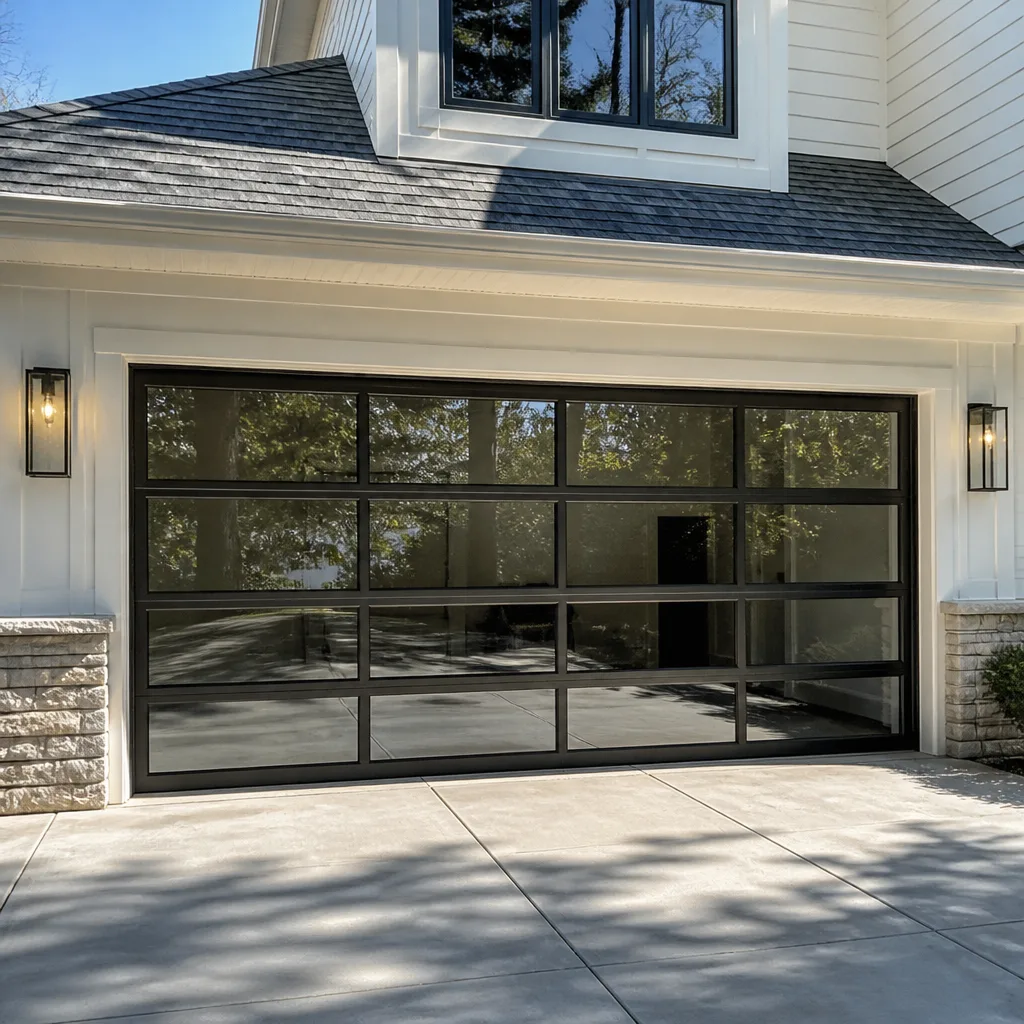 Full-view glass
 LiftMaster openers
 Chamberlain openers
Full 25-point door and opener safety check with every visit - springs, cables, rollers, tracks, and your LiftMaster or Chamberlain opener included
You get a price before we start. It does not change when the pro arrives.
Get your free estimateGarage Door Repair Maintenance Schedule: What to Do and When
Most homeowners assume the deep freeze is what kills a garage door. In Hamline-Midway, that’s not how it usually plays out. February can be brutal and the door keeps working, then March arrives, the mercury swings 40 degrees in a week, and something lets go. Metal expands and contracts with every one of those swings, and the cumulative stress adds up faster than any single cold snap delivers. If you live in Hamline-Midway, the maintenance calendar that actually protects your door is built around four seasonal transitions, not two arbitrary “lubricate it” reminders. This guide walks through what each season demands, which tasks genuinely extend component life, and which ones are busywork you can skip. We’ll also cover the one maintenance trigger almost nobody tracks: cycle count.
Quick Answer
In Minnesota, the highest-value garage door maintenance happens at four points: late fall (before the first hard freeze), early spring (after freeze-thaw season), early summer, and early fall. The four core tasks are lubricating the right components with the right product, checking and replacing weatherstripping and the bottom seal, testing the opener’s force and safety reversal settings, and tracking cycle count on torsion springs. Most of this takes under 30 minutes per visit. Springs, cables, and anything under tension are not homeowner territory.
Styles & brands we work with
- Raised-panel steel
- Carriage house
- Modern flush
- Full-view glass
- LiftMaster openers
- Chamberlain openers
Table of Contents
- Why a Standard Maintenance Schedule Doesn’t Work in Minnesota
- Pre-Winter Prep: The October-to-November Checklist
- Spring Inspection: What Freeze-Thaw Season Leaves Behind
- Lubrication Done Right: Points, Products, and Over-Lubrication Traps
- Cycle Count: The Maintenance Trigger Nobody Tracks
- Which Tasks Actually Extend Component Life
- Summer and Fall: The Two Easy Checkpoints
- Brand-Specific Quirks Worth Knowing
Why a Standard Maintenance Schedule Doesn’t Work in Minnesota
The generic advice you find online – lubricate twice a year, tighten bolts, done – was written for a climate that doesn’t exist here. Minnesota’s problem isn’t cold. It’s thermal cycling. A stretch of days in Hamline-Midway where the temperature climbs from single digits to the forties and back down again puts more cumulative expansion and contraction into steel components than a steady month below zero. Torsion springs, cables, roller stems, and track brackets all absorb that movement, cycle after cycle, until the weakest point gives.
There’s a second factor specific to this region: moisture cycling against a heated garage. Snowmelt and road spray get tracked onto the apron and against the bottom seal. Warm air inside the garage meets a cold door panel on the inside face, and condensation forms. That moisture sits against the bottom seal and the lower hinges longer than it would in a drier climate, which is why bottom seals in Hamline-Midway tend to harden and crack faster than the national average.
So the schedule has to be organized around transitions, not seasons in the abstract. The four that matter:
- Late fall (October-November): Everything that will freeze needs to be ready before it does.
- Early spring (March-April): The inspection that catches freeze-thaw damage before it becomes a failure.
- Early summer (June): A light check after the heaviest use period.
- Early fall (September): A pre-season tune-up before the transition that does the most damage.
That’s the frame. Everything below fills in what each checkpoint actually involves. If you’d rather have a specialist handle the mechanical side, our garage door repair service covers inspection and adjustment, and we’re happy to build a maintenance rhythm around your door.
Pre-Winter Prep: The October-to-November Checklist
This is the most important checkpoint on the calendar in Hamline-Midway, and it’s the one most homeowners skip entirely. Once temperatures drop below freezing and stay there, anything that hardened, warped, or loosened during the fall is locked in place until spring. Get these items handled before the first hard freeze:
- Check bottom seal flexibility. Press the seal with your thumb. A healthy seal yields and springs back. One that feels hard, shows cracks, or stays compressed has lost its flexibility and will let cold air and moisture under the door all winter. Replacing a bottom seal is one of the cheapest maintenance items on this list and one of the most effective.
- Inspect weatherstripping compression. The strips along the sides and top of the door should compress and rebound against the door face. Sagging or flattened strips allow drafts and, more importantly, allow the door to rattle against the frame as it operates, which loosens fasteners over time.
- Adjust opener force settings. Cold thickens lubricant and stiffens seals, which means the door needs slightly more force to move in winter than it did in summer. If your opener is set at the bare minimum, it may reverse on cold mornings. Check the sensitivity settings on your unit and confirm the safety reversal still trips – but make adjustments carefully, and never raise force beyond what the door needs. On LiftMaster and Chamberlain units, the force adjustment is a small dial on the motor housing and it’s easy to overshoot.
- Lubricate hinges, rollers, and the torsion spring. Do this before the cold, not after the door starts squealing. Details on the right product are further down.
- Test the safety reversal system. Place a section of wood or a roll of paper towels under the door and close it. The door should reverse on contact. This test matters year-round but especially going into winter, when the door may be operating under more resistance.
- Tighten track brackets and hinge screws. Vibration loosens fasteners. A quick pass with a socket wrench takes five minutes and prevents wobble from turning into misalignment.
If your door has been struggling – slow to open, squealing, or reversing for no obvious reason – get it looked at before the freeze locks everything in. Call (855) 771-4075 and we’ll diagnose it before winter makes the problem worse.
Spring Inspection: What Freeze-Thaw Season Leaves Behind
March and April are when accumulated stress shows up as actual failures. The reason is simple: every freeze-thaw cycle moves metal, and after several months of that movement, the components that took the most repeated stress are the ones to check first. In our experience across Hamline-Midway, the March inspection catches problems that would otherwise become emergency calls in spring.
Focus on these four areas:
Cable Drums
The cable drums at each end of the torsion shaft are where the lift cables wind. During freeze-thaw season, they take repeated stress cycling as the door flexes slightly with temperature change. Look for cable that’s jumped the drum groove, is frayed, or is winding unevenly. A cable that’s out of its groove is a serious safety issue – stop using the door and call a professional. Cables are under extreme tension and are not a DIY item.
Roller Stems
Each roller has a stem that sits inside a hinge. Over a winter of thermal movement, those stems can bend or wear, and a worn stem causes the door to bind as it travels. Push each roller gently by hand – it should spin freely with no wobble. Stiff or wobbly rollers should be replaced.
Track Brackets
The brackets that hold the vertical and horizontal tracks to the framing take the brunt of any door movement. Look for brackets that have pulled away from the wall, bent, or lost fasteners. A loose bracket lets the track shift, which causes the door to bind and eventually jump. Tighten what’s loose; replace anything bent.
Torsion Spring Inspection From the Ground
You can inspect a torsion spring visually without touching it. Look for a visible gap in the coils – a clear separation of more than a fraction of an inch means the spring has lost tension and should be replaced. Look for rust streaks, which indicate moisture exposure. Never attempt to adjust or replace a torsion spring yourself. These springs store enough energy to cause severe injury, and one wrong move with a winding bar can send you to the hospital. Spring repair is one of the most dangerous jobs in this trade and one of the most commonly botched by DIYers. Every technician we connect you with is trained in proper spring protocol.
Lubrication Done Right: Points, Products, and Over-Lubrication Traps
The single most common garage door maintenance mistake we see in Hamline-Midway is using the wrong lubricant. WD-40 in the blue can is a penetrating oil and solvent, not a lubricant. It’ll quiet a squeak for a week and then evaporate, leaving the component drier than before. What you want is a garage door lubricant – a lithium grease spray or a silicone-based lubricant. Both are readily available at any hardware store.
Where to apply it, and where not to:
- Hinges: one small shot at each hinge pivot point. Four to six hinges on a typical door.
- Rollers: a light coat on the roller bearing, not the track. Rollers with sealed bearings need less; rollers with metal bearings need a light application.
- Torsion spring: a light spray along the coil. This reduces friction between coils and quiets the spring.
- Track: do not lubricate the track itself. Tracks should stay clean and dry. Lubricant in the track attracts grit, and grit in the track accelerates roller wear. This is the over-lubrication trap – more lube is not better.
- Opener rail and chain: use a proper rail lubricant or chain grease on the opener rail, not spray oil. On belt-drive units from LiftMaster or Genie, the belt typically needs no lubrication at all.
Frequency: two to three times a year in this climate. The pre-winter application is the most important. A light coating applied in late fall helps the door operate smoothly through the coldest stretch. Over-application is its own problem – excess grease collects dust and grit, which turns into an abrasive paste on hinge pins and roller bearings. Wipe off any excess after applying.
If your door squeals, grinds, or shudders even after a proper lubrication pass, the problem isn’t lubrication. Call (855) 771-4075 and we’ll identify the actual cause.
Cycle Count: The Maintenance Trigger Nobody Tracks
Here’s the concept that changes how you think about garage door maintenance: torsion springs don’t fail by age. They fail by cycle count. A cycle is one full open-and-close. Every spring is rated for a specific number of cycles, and once you reach that number, the spring is on borrowed time regardless of how well you’ve maintained it.
Standard torsion springs are commonly rated for around 10,000 cycles. Some heavier-duty springs are rated higher, and some are rated lower. The rating depends on the spring’s wire size, inside diameter, and length. If you want to know the rating of your specific springs, the manufacturer’s data for your door model is the place to start – Clopay and Amarr both publish spec sheets for their door lines.
Here’s how to estimate where your springs stand:
- Count your daily cycles. A typical household opens and closes the door about four times a day – two departures and two arrivals. That’s roughly 1,460 cycles a year.
- Adjust for your household. A family with two drivers, a dog walker, and a lawn service might hit eight cycles a day, or about 2,920 a year. A single occupant who parks outside might use the door twice a day.
- Multiply by the door’s age. If your door is 10 years old and averages four cycles a day, you’re at roughly 14,600 cycles – already past the 10,000-cycle rating of a standard spring. The spring may still be working, but it’s living on extra time.
- Look for the warning signs. A spring near the end of its cycle life often looks fine but starts behaving differently: the door feels heavier when you lift it manually, the opener strains more, or the door drifts down a few inches when left halfway open.
This is the answer to the question “when should I replace my springs?” that nobody gives: not by calendar year, but by cycle count. If you don’t know your door’s cycle history, a professional inspection can give you a realistic estimate based on spring condition and door age. That’s information worth having before a spring breaks at an inconvenient moment.
Which Tasks Actually Extend Component Life
Garage door maintenance advice online often mixes high-value tasks with busywork. Here’s an honest sorting:
Tasks that genuinely extend life
- Bottom seal replacement. A flexible seal keeps moisture and road grit out of the door’s lower hardware. This directly reduces corrosion and wear on hinges, rollers, and the bottom bracket. High value.
- Weatherstripping maintenance. Prevents drafts, reduces rattle, and keeps the door from vibrating against the frame. Medium-high value.
- Correct lubrication at the right frequency. Extends hinge and roller life meaningfully. High value, but only when done correctly with the right product.
- Opener force and safety setting checks. Prevents unnecessary strain on the opener motor and the door hardware. Medium-high value.
- Spring cycle tracking. Lets you replace a spring proactively instead of waiting for a failure. High value, mostly for avoiding the inconvenience of a sudden breakdown.
- Track alignment checks. Catches misalignment before it causes roller and hinge damage. Medium value.
Tasks that are mostly busywork
- Washing the door panels. Cosmetic only. Rust prevention is better served by keeping the bottom seal and lower hardware dry.
- Painting or refinishing the door. Cosmetic. Worth doing if the finish is failing, but it won’t extend mechanical life.
- Lubricating the track. Actively counterproductive – attracts grit.
- Tightening every bolt every month. A seasonal pass is enough. Monthly over-tightening can strip fasteners.
If you’re not sure which category your door’s needs fall into, that’s what a maintenance inspection is for. Our garage door opener repair service includes a full operational check that catches both opener-specific and general door issues. Free estimates are available in Hamline-Midway.
Summer and Fall: The Two Easy Checkpoints
The summer and fall checkpoints are lighter, but skipping them undermines the work you did in spring and fall. Here’s what each involves.
Early summer check (June)
- Re-lubricate hinges, rollers, and the torsion spring. The spring lubrication from late fall has likely worn off by now.
- Test the safety reversal system again – a quick one-minute check.
- Look for any new rust on the bottom section of the door, where moisture pools.
- Check that the bottom seal is still flexible. Summer heat and humidity can degrade some seal materials.
Early fall check (September)
- This is the pre-winter dry run. Same checklist as the October-November prep, but earlier – gives you time to order parts or schedule service before the freeze.
- Check weatherstripping compression now, while it’s still easy to replace.
- Inspect the opener’s force settings in preparation for cold-weather operation.
- Look at track alignment and bracket tightness before the freeze locks anything in place.
These two checkpoints are short. Ten or fifteen minutes each. The fall one is the important one – it’s your last chance to catch a problem before winter. If your fall inspection turns up something that needs a professional hand, that’s where we come in. Full garage door installation capability means we can also advise on whether a repair or a new door makes more sense for your situation.
Brand-Specific Quirks Worth Knowing
Different manufacturers build their doors and openers differently, and knowing those differences saves time during maintenance and repair. We work with equipment from eight major brands, including LiftMaster, Chamberlain, Genie, Clopay, Amarr, Wayne Dalton, Craftsman, and Raynor. A few quirks worth mentioning:
LiftMaster and Chamberlain openers are closely related – Chamberlain manufactures LiftMaster units – and they share similar force adjustment procedures. Both use a small dial on the motor housing to set open and close force. Owners often turn these too high when a door starts binding; the correct fix is to address the binding, not to raise the force.
Genie openers often have a different force adjustment method, sometimes using a screw rather than a dial, and the procedure varies by model. If you’re not sure which type your unit uses, the manual is the right reference.
Clopay doors are common in this part of Minnesota, and their panel and hardware specifications are worth knowing if you’re choosing a replacement door. Clopay publishes detailed spec sheets that list spring cycle ratings for their door lines, which is helpful for the cycle-count estimate described earlier.
If your door or opener is from a brand not listed here, don’t worry – we can still diagnose it. The point is that garage doors are all we work on, so we’ve seen the quirks and failure patterns of the major brands enough times to recognize them quickly. That familiarity is why diagnosis tends to be fast and callbacks are rare.
Common Mistakes to Avoid
- Using WD-40 as a lubricant. It’s a solvent and penetrating oil, not a lasting lubricant. It quiets a squeak briefly, then evaporates and leaves the component dry. In a Hamline-Midway winter, that means the door gets no protection at all when it needs it most.
- Lubricating the track. This attracts grit and accelerates roller wear. The track should stay clean and dry. More lubrication on the track is not better.
- Raising the opener’s force setting to fix a binding door. If the door is binding, the fix is to find what’s binding – a worn roller, a bent track, a loose bracket. Turning up the force masks the problem and strains the opener.
- Attempting a torsion spring repair yourself. The springs are under enormous tension and require specific tools and training. This is not a job for a homeowner, and the injury risk is real.
- Skipping the fall inspection. Once the freeze sets in, everything that needed adjustment is locked in place. The fall check is your last chance to catch problems before they become winter breakdowns.
- Using a maintenance schedule written for a mild climate. The twice-a-year lubrication routine in most online guides doesn’t match Minnesota’s thermal cycling. The seasonal transitions described above matter more than any fixed schedule.
- Ignoring cycle count. A spring can look and sound perfectly healthy right up until it breaks. Tracking or estimating cycle count lets you replace proactively instead of waiting for a failure.
See the difference
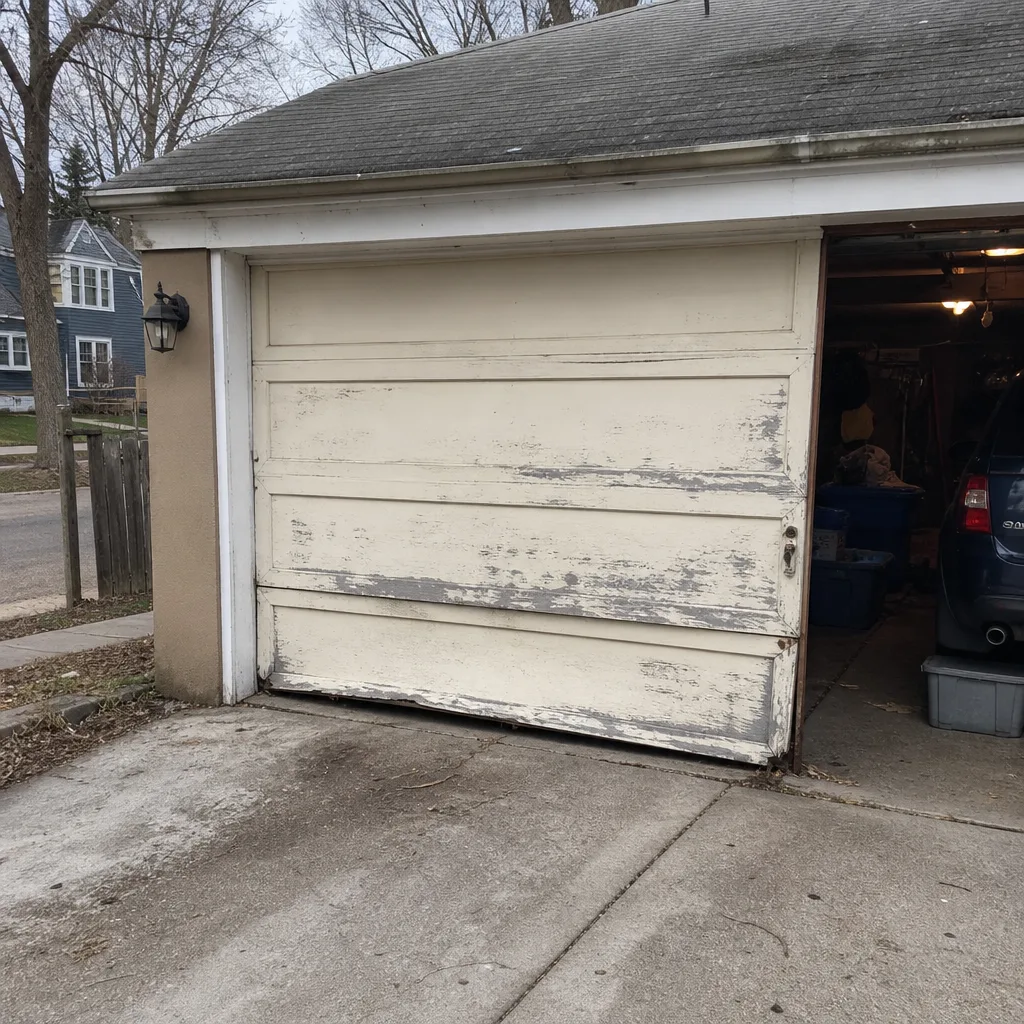 Before
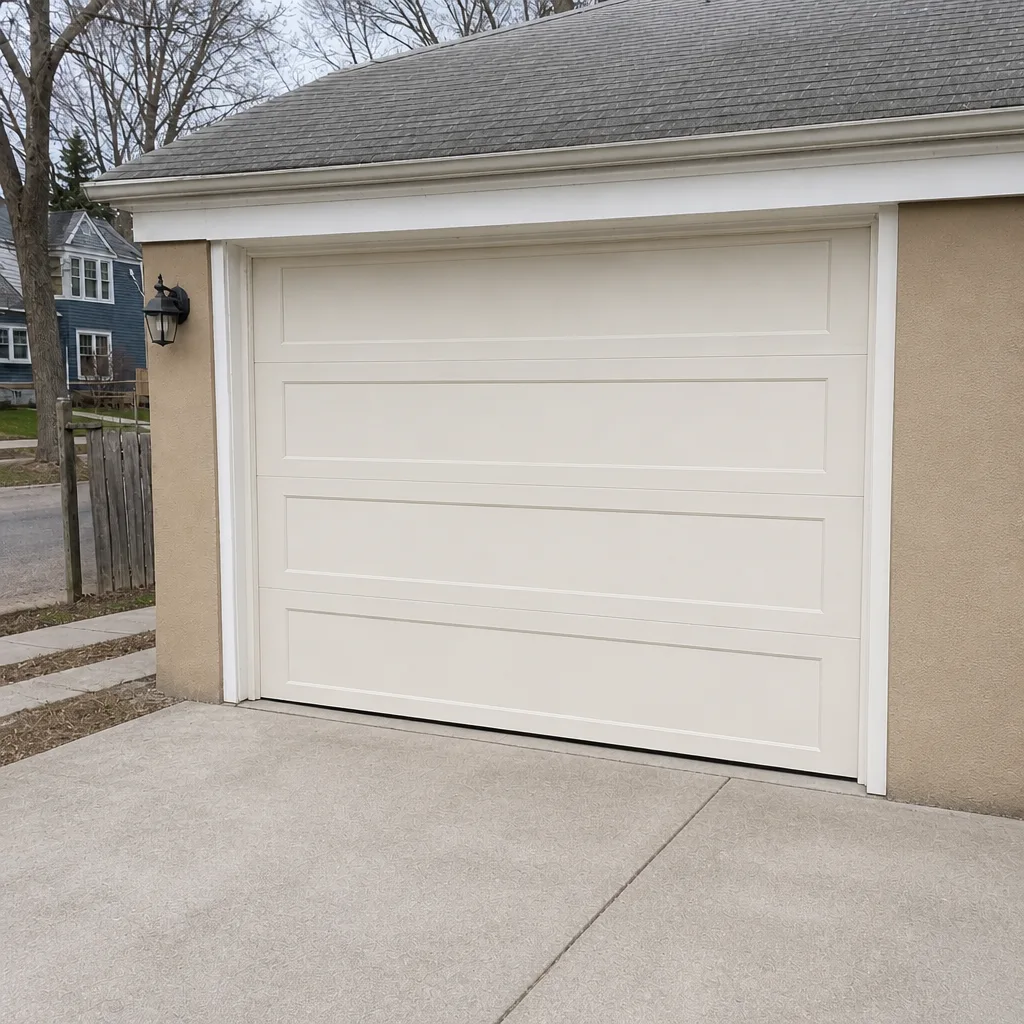 After
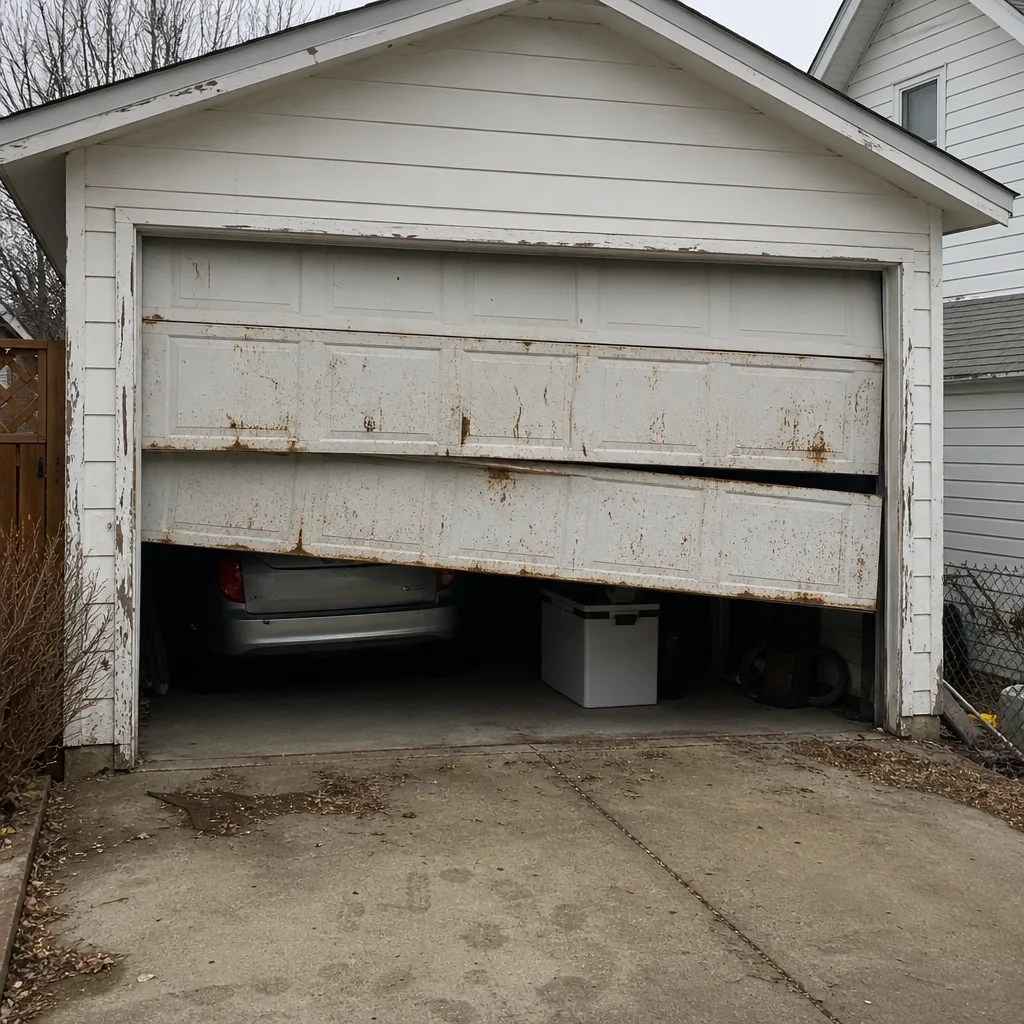 Before
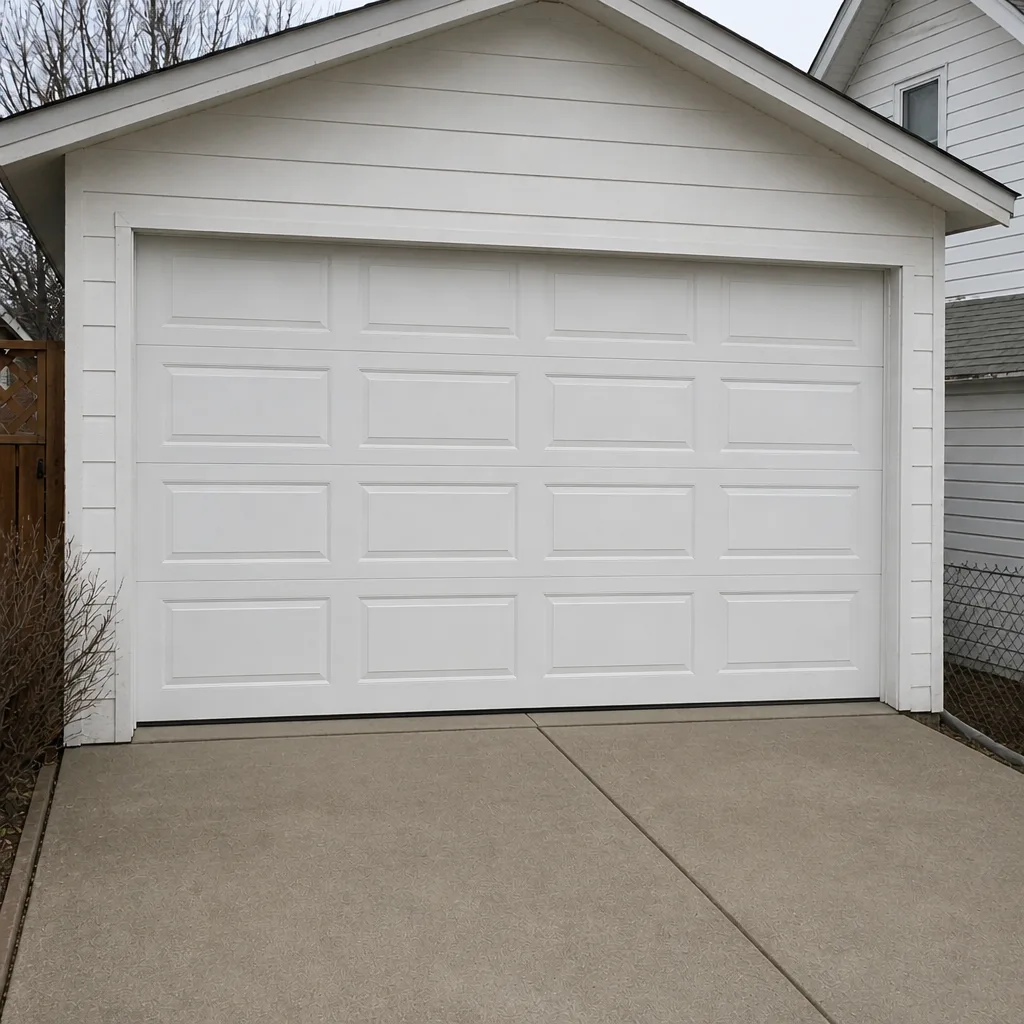 After
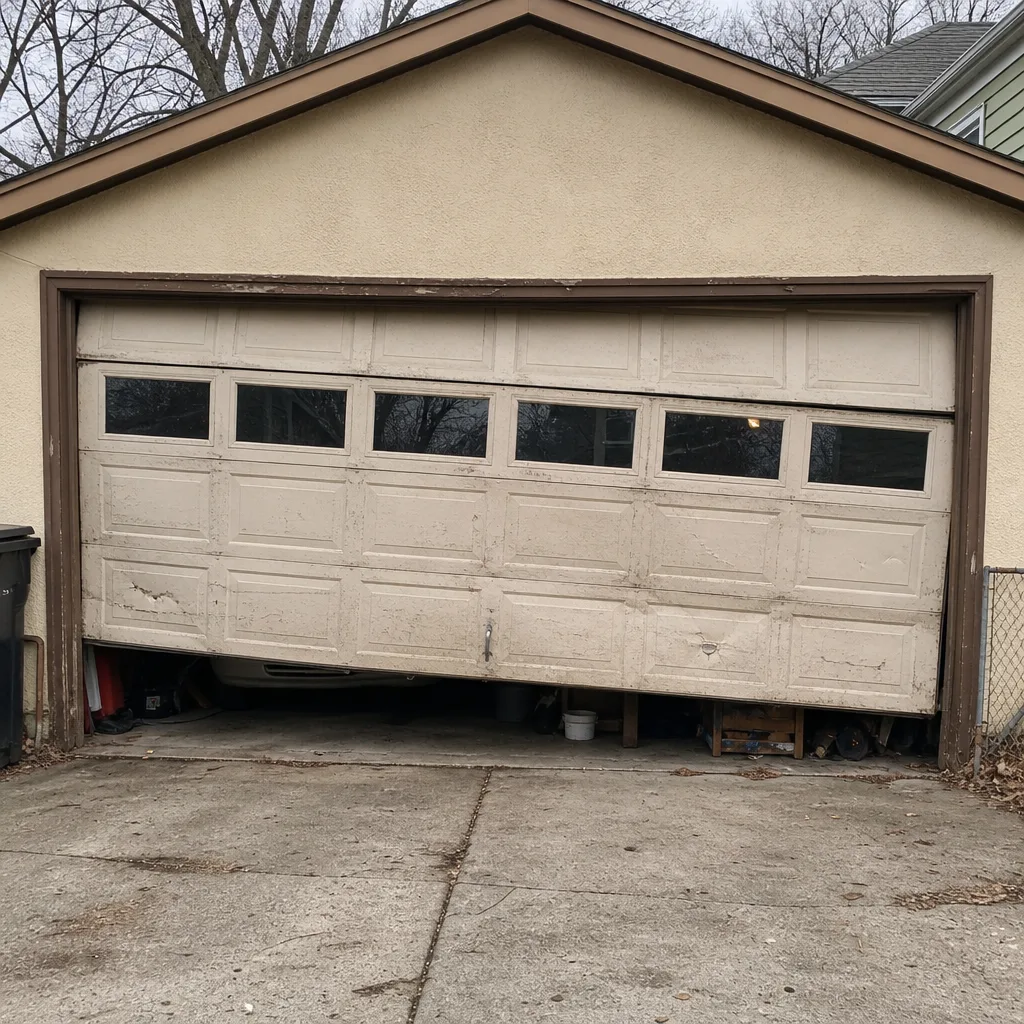 Before
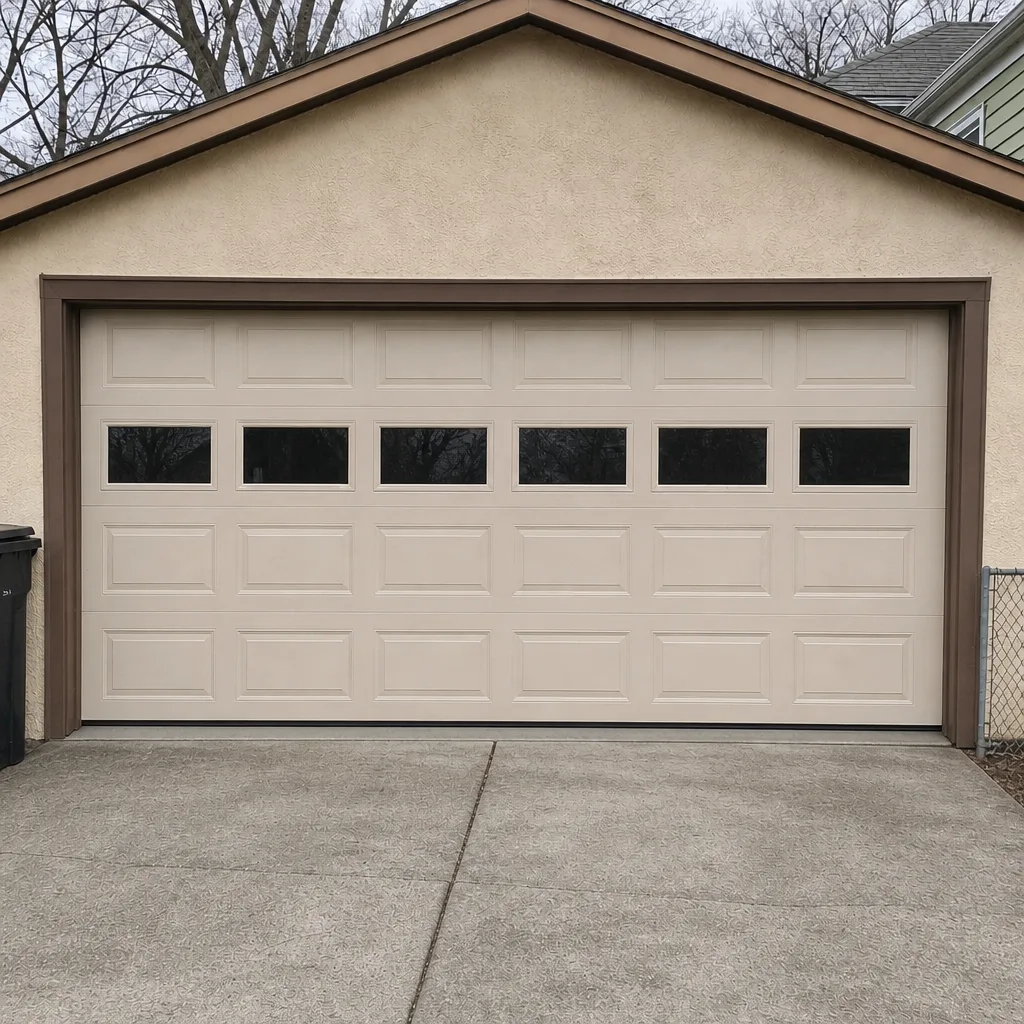 After
When to Call a Professional
Some tasks on this maintenance calendar are reasonable for a careful homeowner: lubrication, weatherstripping checks, safety reversal tests, visual inspection. Others should never be attempted without training.
Call a professional for anything involving torsion springs, lift cables, or the internal workings of the opener. Also call if the door is off its tracks, if you see a gap in the spring coils, if the door reverses for no obvious reason, or if your maintenance checks turn up cracks, fraying, or binding that you can’t identify. These are signs that something needs a trained eye.
Every professional we connect you with specializes exclusively in garage doors – this isn’t a generalist handyman splitting attention across unrelated jobs. And when the door fails unexpectedly, emergency service is a core offering. Garage Door Repair Hamline-Midway offers free estimates – call (855) 771-4075 to schedule an inspection or talk through what you’re seeing.
Frequently Asked Questions
Two to three times a year: late fall before the freeze, early spring after freeze-thaw season, and a light mid-summer pass. Use a lithium grease spray or silicone lubricant on hinges, roller bearings, and the torsion spring coil, but not on the track itself. In our experience, the fall application is the most important because it’s what protects the door through the coldest months.
March, not January. The temperature swings of 40 degrees or more in a single week put more cumulative stress on the spring than any steady deep freeze does. The cycle-count math matters too: a spring rated for around 10,000 cycles, used four times a day, reaches its limit in roughly seven years. If your spring is older than that, call (855) 771-4075 for an inspection before it fails.
Yes, bottom seal replacement is one of the maintenance tasks a careful homeowner can handle. The seal is flexible, the replacement is relatively straightforward, and there’s no stored tension involved. Do it before the freeze, when the old seal is easier to remove and the new one fits more cleanly.
Set it to the lowest setting that reliably moves the door without reversing or stalling. Too high a setting masks binding problems and strains the motor; too low causes the door to reverse on cold mornings. Test the safety reversal after any adjustment. If you’re not confident in the adjustment, call (855) 771-4075 – we work on LiftMaster and Chamberlain units regularly and can set it correctly.
We’re closed Saturday. We’re open Sunday through Friday, 7am to 7pm. If a door fails outside those hours, call and we’ll book you for the next available slot.
Maintenance is planned work that prevents failures: lubrication, seal replacement, weatherstripping checks, force-setting adjustments, and visual inspections. Repair is fixing something that has already failed. A good maintenance calendar reduces the need for repair, but it doesn’t eliminate it. When something breaks, that’s a repair call, not a maintenance task.
The Bottom Line
Garage door maintenance in Hamline-Midway needs to follow the climate, not a generic national schedule. The four checkpoints that matter are late fall, early spring, early summer, and early fall. The high-value tasks are bottom seal replacement, weatherstripping maintenance, correct lubrication with the right product, opener force and safety checks, and cycle-count tracking. The busywork to skip is track lubrication, cosmetic work, and monthly over-tightening. Springs, cables, and opener internals are always a professional’s job. Build your calendar around the transitions, and your door will handle Minnesota winters the way it should.
If you’d like help setting up a maintenance rhythm, or if you’ve found something during your inspection that needs a trained eye, call Garage Door Repair Hamline-Midway at (855) 771-4075. Free estimates, and we’ll walk you through what your door actually needs – no overselling, no unnecessary parts.
Written by the team at Garage Door Repair Hamline-Midway.