Last updated November 21, 2026
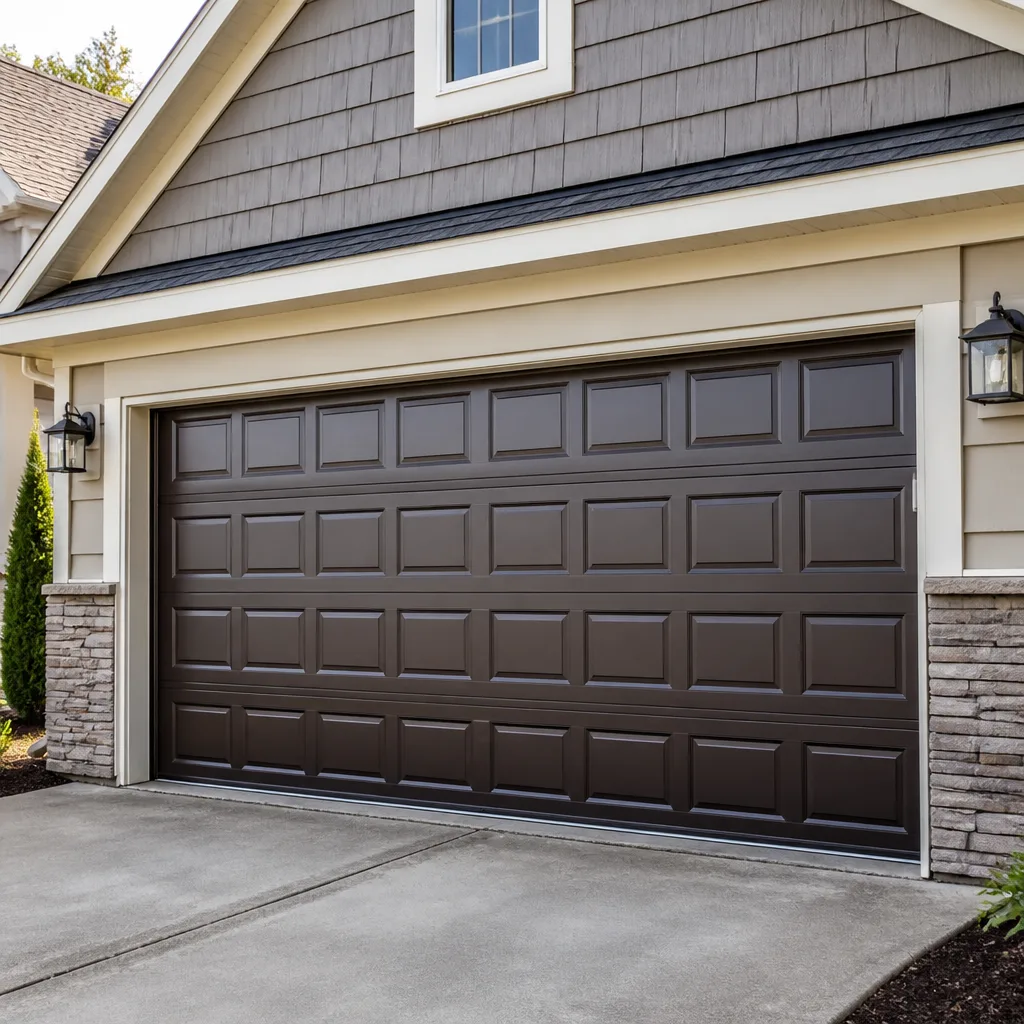 Raised-panel steel
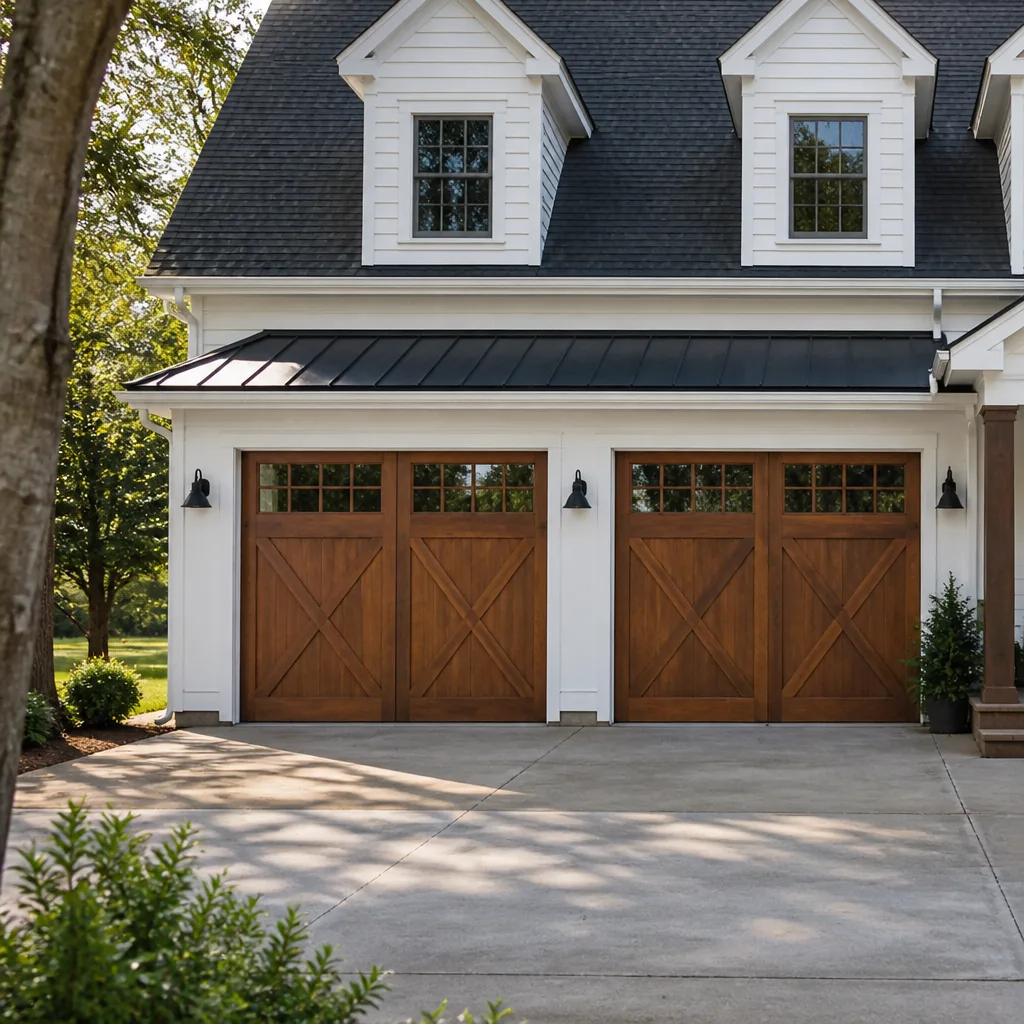 Carriage house
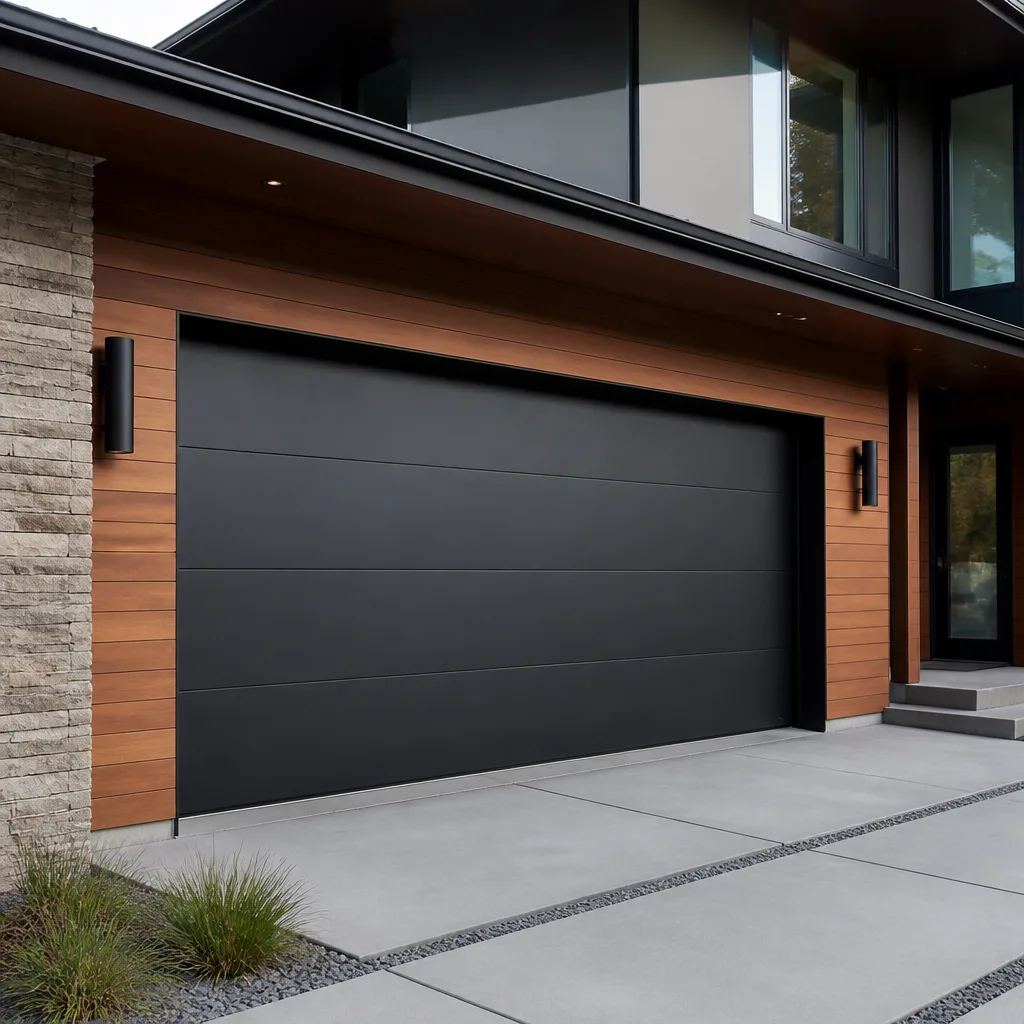 Modern flush
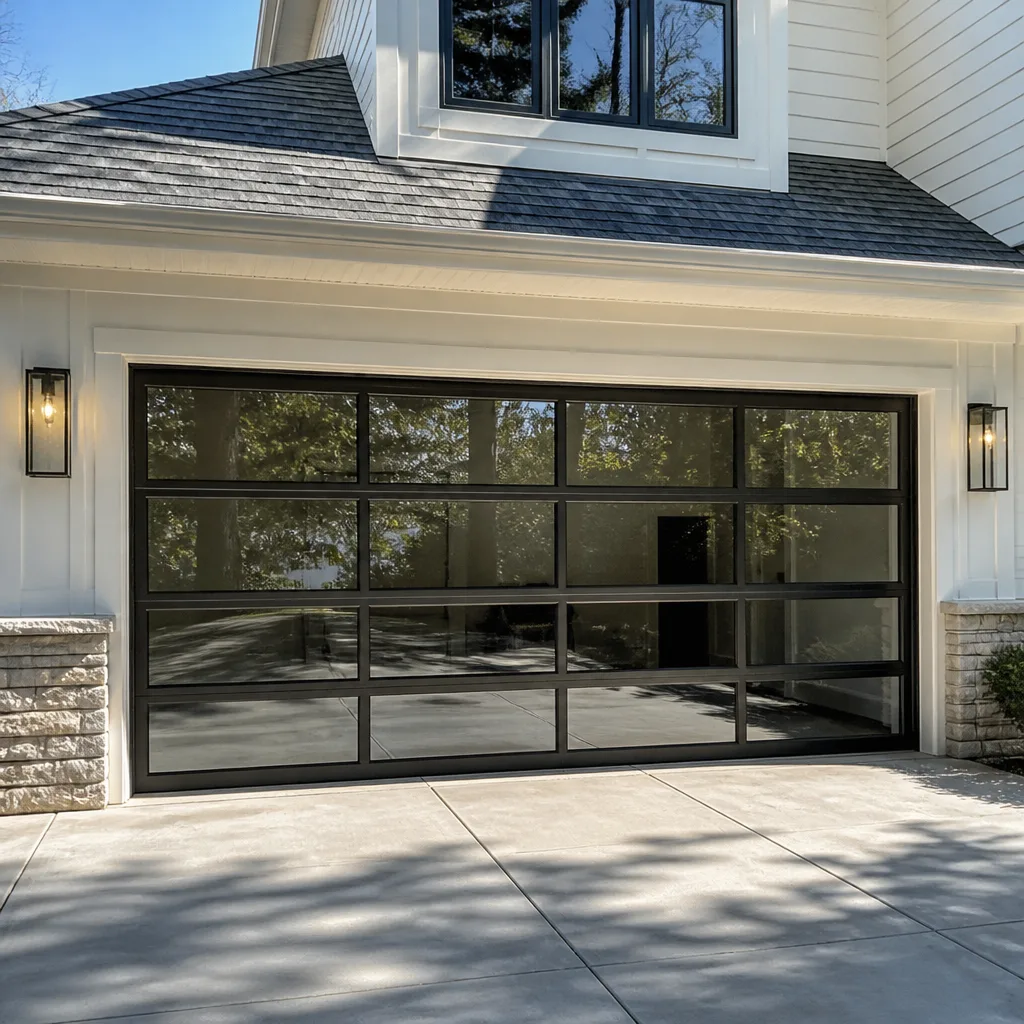 Full-view glass
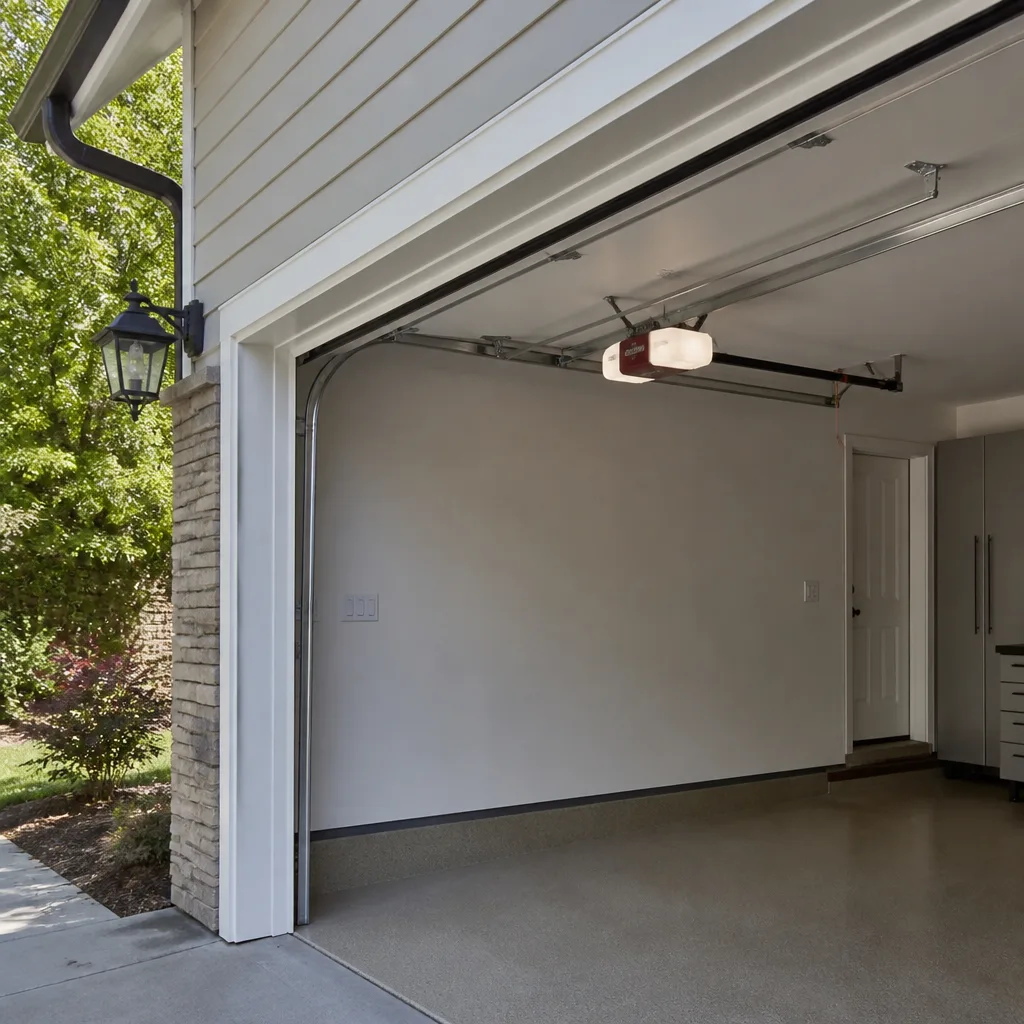 LiftMaster openers
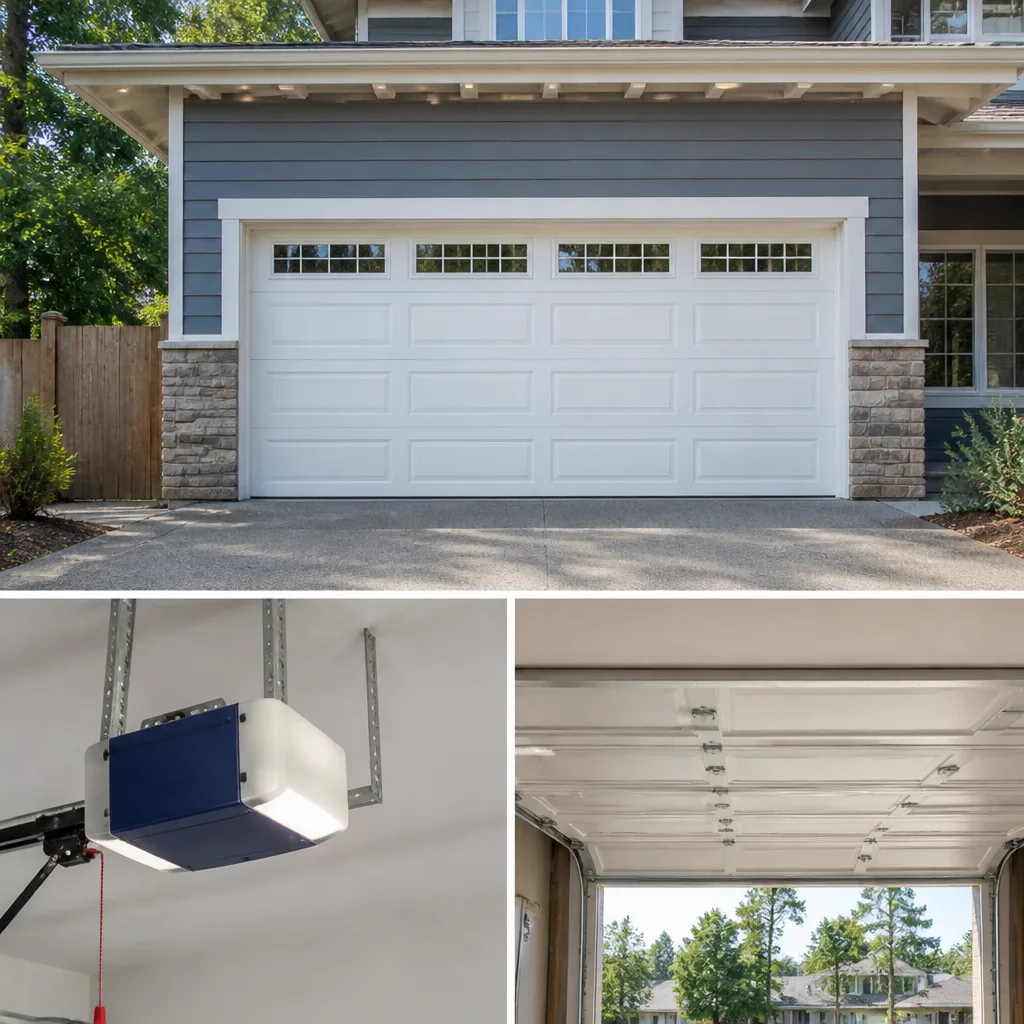 Chamberlain openers
Full 25-point door and opener safety check with every visit - springs, cables, rollers, tracks, and your LiftMaster or Chamberlain opener included
You get a price before we start. It does not change when the pro arrives.
Get your free estimateGarage Door Repair Troubleshooting in Hamline-Midway: Common Problems and How to Fix Them
If your garage door won’t open and you’ve already replaced the batteries in the remote, you’ve already made the most common troubleshooting mistake – the opener is rarely the first thing to check. In our experience across Hamline-Midway, most “dead opener” calls turn out to be mechanical: a broken torsion spring, a jumped cable, or a track knocked out of alignment. The opener is fine. It’s pushing against a door that physically can’t move. This guide re-sequences the way you troubleshoot so you check the right things in the right order, understand how Minnesota’s freeze-thaw cycles create problems that look electrical but aren’t, and know exactly which fixes are safe to handle yourself and which ones can put you in the hospital if you try.
Quick Answer
Most garage door problems in Hamline-Midway trace back to mechanical causes – springs, cables, tracks, and seals – not the opener itself. Start by pulling the manual release to disconnect the door from the opener and testing whether it lifts by hand; if it won’t, the issue is mechanical and you should stop before touching any opener settings. Homeowners can safely handle lubrication, sensor alignment, and remote reprogramming, but torsion springs, cables, and any work under tension require a trained professional.
Styles & brands we work with
- Raised-panel steel
- Carriage house
- Modern flush
- Full-view glass
- LiftMaster openers
- Chamberlain openers
Table of Contents
- The Manual Disconnect Test: Isolate Mechanical From Electrical First
- How Minnesota’s Freeze-Thaw Cycles Cause Problems That Mimic Opener Failure
- Broken Versus Worn Springs: The Distinction That Determines Your Repair Cost
- Symptom-to-Cause Reference: The 8 Most Common Failure Patterns
- What’s Safe to Fix Yourself (And What Absolutely Isn’t)
- When the Opener Really Is the Problem
- Troubleshooting for Rental Property Owners and Small Landlords
- Prevention: Keeping a Hamline-Midway Door Reliable Through Every Season
The Manual Disconnect Test: Isolate Mechanical From Electrical First
Before you adjust a single opener setting or buy a new remote, disconnect the door from the motor and test it by hand. This one step tells you which half of the system is actually broken, and it takes about two minutes. In Hamline-Midway, where a lot of homes have older doors paired with newer openers, this test saves homeowners from replacing a perfectly good motor to fix a mechanical problem.
Here’s how to run it:
- Pull the emergency release cord (usually a red handle hanging from the trolley). This disconnects the door carriage from the opener rail.
- Lift the door slowly by hand to about waist height, then let go. A healthy door stays put or drifts only slightly.
- If the door is extremely heavy, won’t lift, or slams back down, the problem is mechanical – springs, cables, or tracks. Stop here and do not reconnect the opener.
- If the door lifts smoothly and balances, the mechanical side is healthy and the issue is in the opener or its controls.
The key insight is sequence. Homeowners typically start at the opener because it’s the piece with buttons and lights and the obvious source of “the door won’t move.” But the opener only pulls. If the door can’t travel on its own, no amount of opener troubleshooting will help. Reconnecting a jammed opener to a stuck door can also strip the drive gear or burn out the motor, turning a spring repair into a spring-plus-opener repair. Run the disconnect test first, every time, and the rest of your troubleshooting gets much simpler.
How Minnesota’s Freeze-Thaw Cycles Cause Problems That Mimic Opener Failure
Hamline-Midway sits in a climate that swings hard between freezing and thawing through late fall, winter, and early spring. That cycle does specific things to garage doors, and most of what it does looks like an opener problem to a homeowner. Understanding the seasonal mechanics helps you interpret symptoms correctly. It’s also why we recommend a once-a-season inspection rather than waiting for a failure.
Three freeze-thaw patterns account for most of the winter and spring calls we handle in Hamline-Midway:
- Track misalignment from ground movement. Frost heave moves the ground under the door slightly, and a concrete slab that rises a fraction of an inch can push the track out of plumb. A door that binds against a misaligned track strains the opener, which then trips its safety reverse or simply stalls – exactly the way a dying motor behaves.
- Bottom seal failure. The rubber bottom seal hardens and cracks in the cold, then water gets behind it and freezes. An ice ridge under the door lifts it just enough that the opener’s travel limits no longer match, so the door reverses before it fully closes. The opener is working correctly; the seal is the culprit.
- Contraction and lubrication loss. Cold causes metal to contract and thickens whatever lubricant is left in the rollers and hinges. Rollers that rolled freely in October bind in January, adding drag the opener has to overcome. Grease that’s rated for warm weather gets stiff and stops doing its job.
When a Hamline-Midway door starts reversing a few inches from the floor or stops halfway up in February, the first instinct is to blame the opener. Usually it’s ice, a misaligned track, or a hardened seal. Clearing the obstruction and inspecting the track often fixes it without any parts. If the door still misbehaves after a clear inspection, that’s when you call for garage door repair.
Broken Versus Worn Springs: The Distinction That Determines Your Repair Cost
A broken torsion spring and a worn one produce different symptoms, and the difference changes the scope of the repair. A broken spring means the door won’t lift at all – the counterbalance is gone and the full weight of the door rests on the opener and cables. A worn spring means the door still lifts but feels heavy, jerks, or rises unevenly, because the spring has lost some of its lift. Same part, two very different repair conversations.
Here’s how to tell them apart:
- Broken spring: The door won’t move at all, or only a few inches before straining. You may see a visible gap in the spring coil above the door (torsion) or a stretched-out spring along the side (extension). The opener may hum or click without moving the door.
- Worn spring: The door lifts but struggles, runs unevenly side to side, or slows down on the way up. The opener seems to work but the door feels sluggish. Springs typically lose tension gradually, so the change is easy to miss until it’s pronounced.
Spring repair is one of the most dangerous jobs in the trade because torsion springs are under high tension; a spring that lets go or a cable that snaps while you’re working near it can cause serious injury. This is not a repair to attempt without the right winding bars, training, and safety protocol. In our experience at Garage Door Repair Hamline-Midway, spring work is one of the calls we most often get after a DIY attempt has gone wrong – and by then the cost includes a correct repair plus damage control. The written estimate sets the final price, and it’s quoted and agreed before any work starts. Our technicians have up to 8 years of experience handling this safely. Call (855) 771-4075 for a free estimate.
Symptom-to-Cause Reference: The 8 Most Common Failure Patterns
Use this as a lookup table. Find your symptom, and the likely cause points you to the right section. None of these are diagnoses until you’ve run the manual disconnect test above.
- 1. Door won’t move at all; opener hums or clicks. Likely broken torsion spring or snapped cable. Mechanical. Stop and call.
- 2. Door reverses a few inches off the floor. Likely sensor misalignment, an ice ridge under the door, or a travel-limit setting off after a season change. Check sensors and clear obstructions first.
- 3. Door goes up partway then stops. Likely a binding roller, track misalignment, or a worn spring that can’t carry the door the rest of the way. Inspect rollers and track.
- 4. Door lifts unevenly, one side higher than the other. Likely worn or mismatched springs, or a cable that’s jumped its drum. Mechanical. Do not keep running it.
- 5. Opener runs but the door doesn’t move. Likely a disconnected emergency release, a broken trolley, or a stripped drive gear in the opener. Check the release first.
- 6. Door slams down hard or doesn’t reverse. Safety reverse failure. Do not operate the door until it’s checked – a door that won’t reverse is a real hazard.
- 7. Remote or wall button doesn’t work, but the door otherwise seems fine. Electrical. Reprogram the remote, check the wall button wiring, check the sensor LEDs. This one is often safe to troubleshoot yourself.
- 8. Grinding, squealing, or rattling during travel. Lubrication loss, worn rollers, or loose hardware. Seasonal in Hamline-Midway because of the cold-and-thaw cycle. Often a maintenance fix, not a repair.
If your symptom points to a mechanical cause, keep the door closed if you can and call for a professional. If it points to electrical or settings, the next sections walk through what’s safe to try.
What’s Safe to Fix Yourself (And What Absolutely Isn’t)
Plenty of garage door troubleshooting is within reach for a careful homeowner. The line is tension and height: anything under spring or cable tension, or anything requiring you to work over your head with heavy components, belongs to a professional. Everything else – lubrication, sensor alignment, remote reprogramming, limit adjustments – is safe when you’re methodical. We tell Hamline-Midway customers this honestly because a homeowner who can fix a sensor from home saves a service call, and that builds the kind of trust that gets us the spring call next year.
Safe for homeowners:
- Lubrication. A garage door lubricant on hinges, rollers, and the torsion spring (never spray a hot spring with a penetrating oil) quiets noise and reduces drag. In Hamline-Midway’s cold months this matters more than in warmer places.
- Sensor alignment. If the door reverses on the way down, check that the two photo-eye sensors at the bottom of the tracks face each other and both LEDs are lit. A bumped sensor is one of the most common causal fixes.
- Remote reprogramming. If the wall button works but the remote doesn’t, re-pairing the remote is a five-minute job and works the same across the brands we service.
- Travel limit adjustment. If the door stops short or reverses slightly, and you’ve ruled out obstructions, the opener’s limit settings may need a small adjustment per the manual. Modest tweaks only.
Never attempt yourself: torsion spring replacement, extension spring work, cable replacement, or anything where you’d be working above the door under tension. These can cause severe injury. The height and tension involved are the whole reason this work is specialized. A qualified technician has the correct winding bars and knows how to de-tension safely. When in doubt, call – a free estimate tells you what the job actually involves before you commit.
When the Opener Really Is the Problem
Sometimes the disconnect test says the door is fine and the opener still misbehaves. That’s the real electrical case, and it breaks down into a handful of familiar patterns we see across Hamline-Midway. Because we work on the brand already in your garage, we can usually diagnose these on the first visit rather than guessing at parts. Common opener brands in the area include LiftMaster, Chamberlain, Craftsman, and Raynor, and the specific fix depends on which one you have.
The signs that the opener is the actual culprit:
- The wall button and remote both fail, and the door is visibly balanced when disconnected.
- The motor runs but the door doesn’t move, and the emergency release is still connected – a sign of a stripped gear or failed trolley.
- The unit clicks without running, which often points to a logic board or capacitor issue.
- The door works from the wall button but not the remote, even after reprogramming – a receiver or remote-frequency problem.
- Lights flash in a repeating pattern that corresponds to an error code in the manual.
Fixable-in-place issues – a capacitor, a faulty wall button, a receiver – are usually the same visit. If the unit is old or the drive gear has failed, replacement may make more sense than repair, and we’ll say so plainly rather than pushing a repair on a unit that’s done its job. For garage door opener repair, a free estimate gives you a clear diagnosis and a written price before anything begins. The price is agreed before work starts – no surprise invoice.
Troubleshooting for Rental Property Owners and Small Landlords
If you manage rental property with garage access, your troubleshooting priorities differ from a single-family homeowner. You’re not usually on site when the door fails; a tenant calls, describes the symptom, and you need to decide whether to send them a fix or call a professional. Getting that decision right protects your liability and your tenant relationship. The manual disconnect test is even more useful here, because a tenant can run it and report back.
What we recommend for Hamline-Midway rentals:
- Keep a short written guide on site. Three lines: how to pull the release cord, what a healthy door feels like, and the number to call. It cuts down on “the door is broken” calls that turn out to be a bumped sensor.
- Instruct tenants to never force the door. Forcing a stuck door can snap a cable, bend a track, or damage the opener – turning a cheap repair into an expensive one. Make clear that if the door won’t move, stop and call.
- Log which door and opener brand each unit has. LiftMaster, Chamberlain, Genie, Clopay, Amarr, Wayne Dalton, Craftsman, and Raynor all have their own quirks, and knowing the brand makes diagnosis faster on the visit.
- Schedule an inspection before winter. In this climate, a pre-winter check catches a worn spring or hardened seal before a cold snap finishes it off.
For a small portfolio, a single point of contact that covers spring, opener, panel, and full door saves you from juggling vendors. If a door must be replaced, garage door installation is handled by the same specialist who diagnosed it, so there’s no gap between finding the problem and solving it.
Prevention: Keeping a Hamline-Midway Door Reliable Through Every Season
Most of the failures we handle are predictable, which means many are preventable. A little maintenance twice a year – before winter and after the thaw – keeps a door reliable and catches small problems before they strand a car. The goal isn’t a perfectly silent door; it’s a door whose parts are doing their jobs as the seasons change.
A simple seasonal routine:
- Lubricate hinges, rollers, and the spring track with garage door lubricant, not a general-purpose oil.
- Test the safety reverse by placing a small object under the closing door – it should reverse on contact.
- Inspect the bottom seal for cracking or a gap, and replace it if water and ice are getting in.
- Look at the tracks for bends or debris; wipe them out and make sure they’re plumb.
- Run the manual disconnect test to confirm the door still balances by hand.
- Check the springs for visible gaps, stretch, or uneven tension side to side.
If any of these turn up a mechanical problem, don’t force it – call for a professional inspection. For a door that needs replacement rather than repair, our homepage at Garage Door Repair Hamline-Midway covers the full range of what a single call handles. And because emergency service is a core offering, not an upsell, a door that won’t close on a cold night can still get booked for a visit rather than waiting days. (We’re closed on Saturdays; if a door fails that day, call and we’ll book you for Sunday.)
Common Mistakes to Avoid
- Starting with the opener. The single most common troubleshooting error is diving into opener settings before confirming the door moves freely by hand. Run the disconnect test first; you’ll save time and parts.
- Forcing a stuck door. Pushing or pulling a jammed door can snap a cable or bend a track, turning a small fix into a bigger one. In Hamline-Midway’s cold months, a door that won’t move is almost always a mechanical problem you shouldn’t muscle through.
- Spraying the spring with penetrating oil. A hot spring should get a proper garage door lubricant, not thin penetrating oil that can wash out the grease inside the coils. Wrong product here does more harm than good.
- Ignoring an uneven lift. A door that rises higher on one side is signaling a worn or mismatched spring. Running it that way strains the opener and cables, so treat it as a stop-and-call symptom.
- Assuming a reversing door means a bad opener. In this climate, an ice ridge or a hardened bottom seal lifts the door just enough to trip the safety reverse. Check for obstructions and seal problems before blaming the motor.
- Replacing a remote before testing the wall button. If the wall button works, the opener is fine and the remote is the issue; if neither works, the problem is upstream. Test both before buying parts.
- Attempting spring repair DIY. Torsion springs are under high tension and cause serious injuries when they’re mishandled. This is the one job where the safe move is always to call.
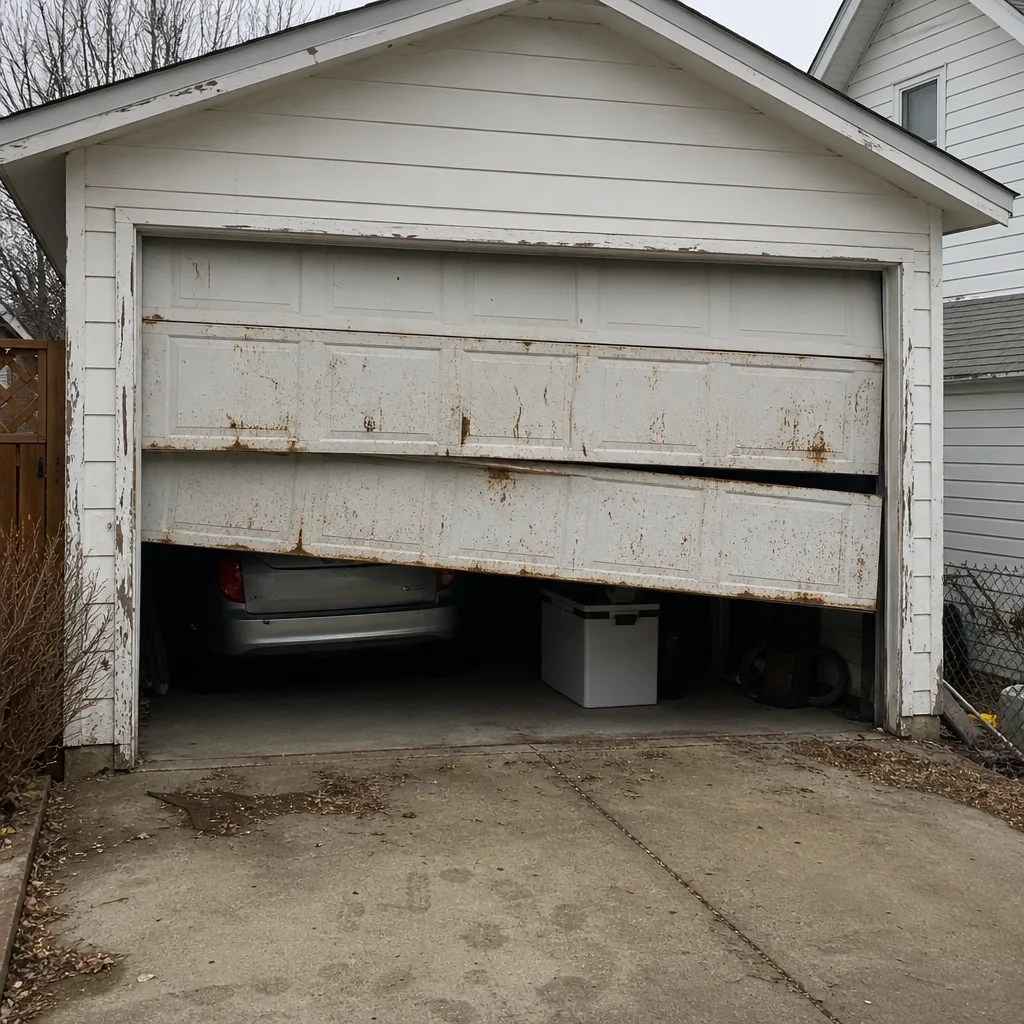
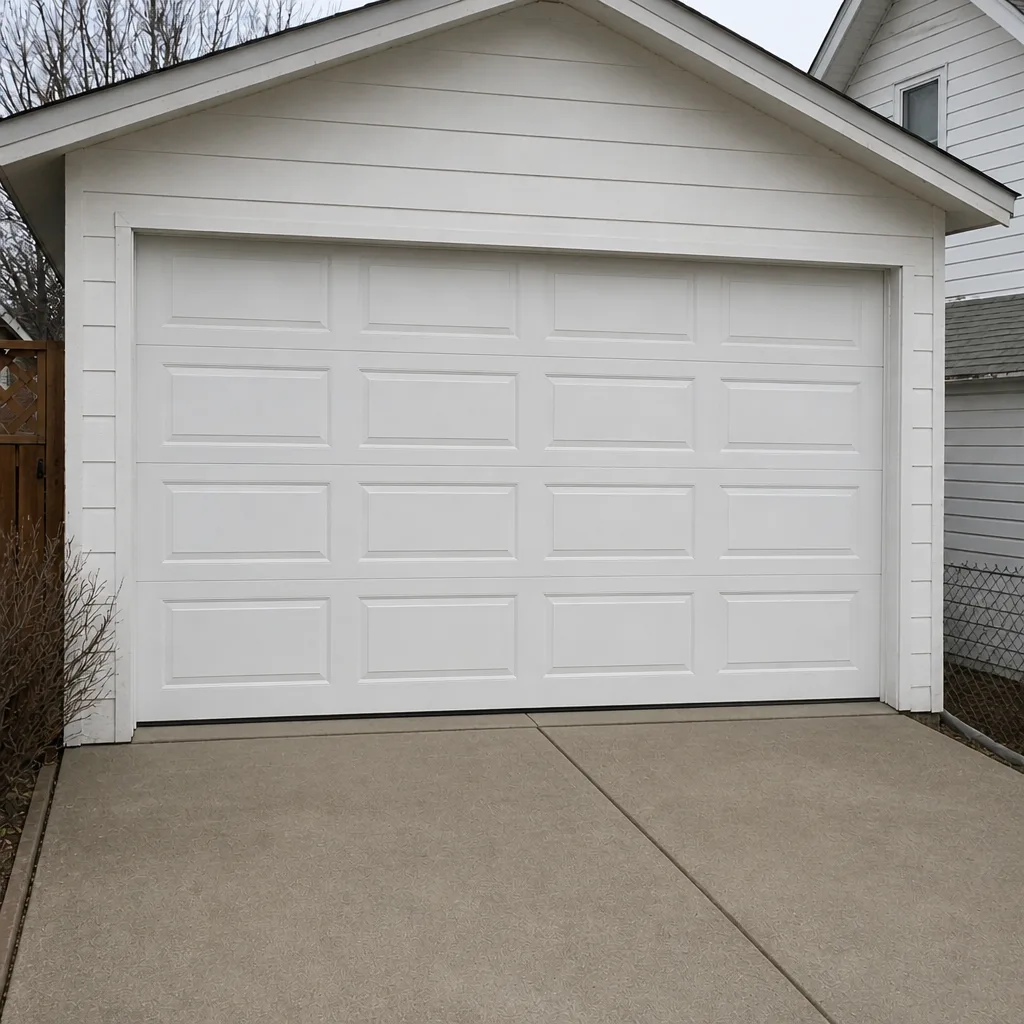
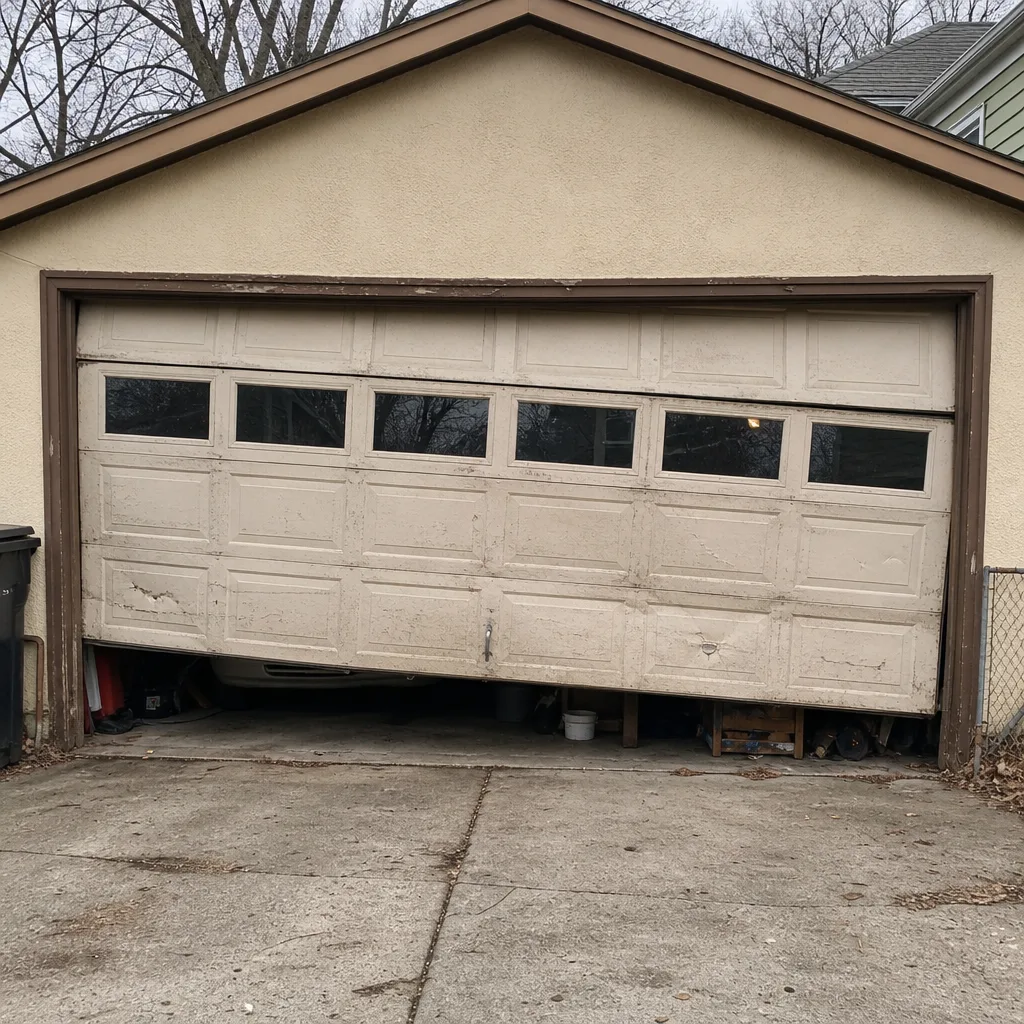
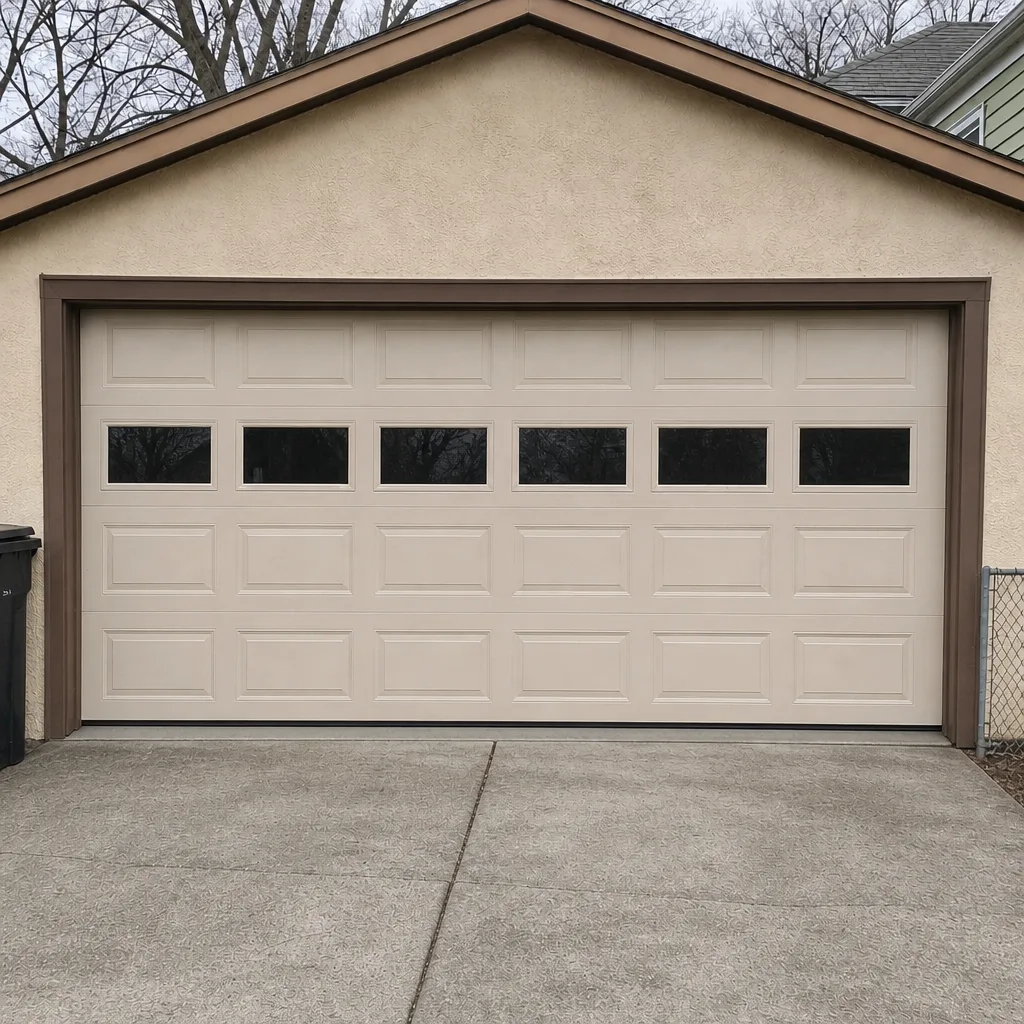
See the difference
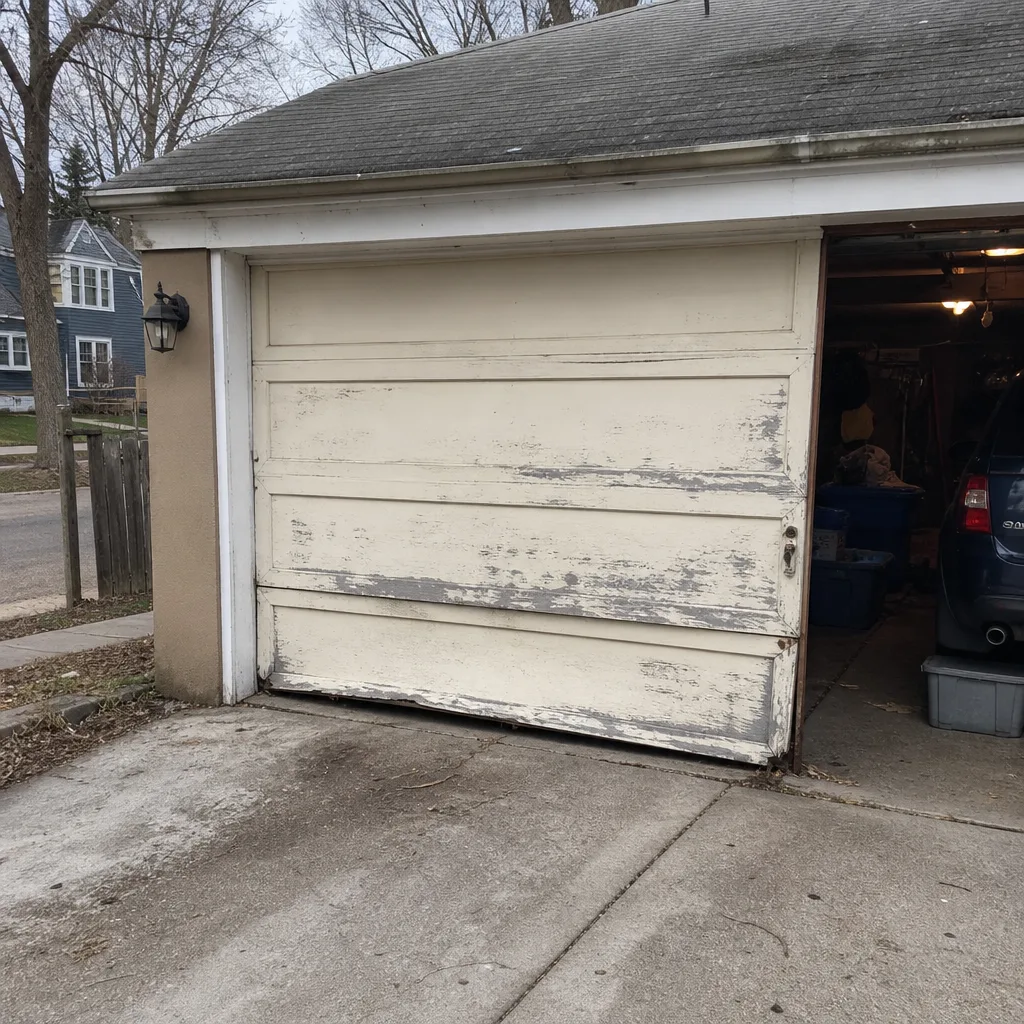 Before
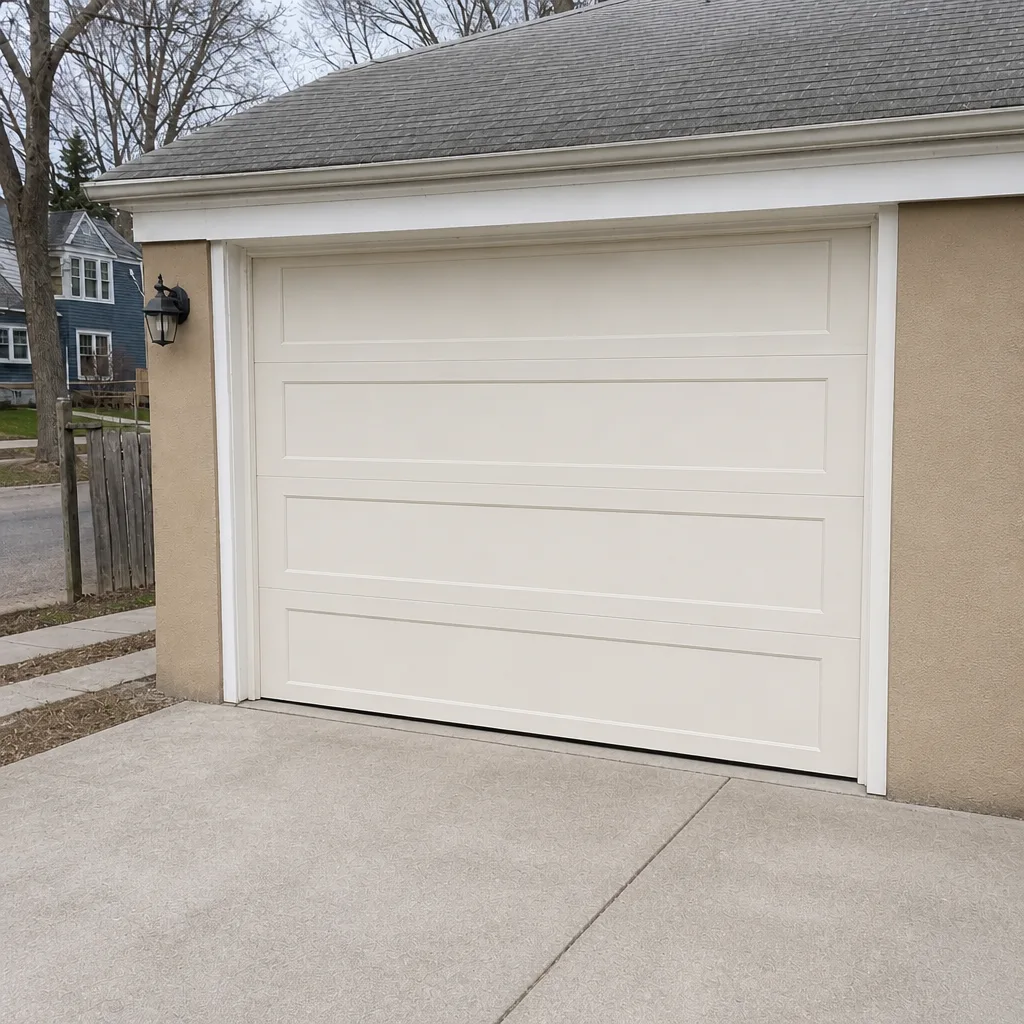 After
 Before
 After
 Before
 After
When to Call a Professional
Call a professional when the manual disconnect test shows the door won’t lift or balance by hand – that means springs, cables, or tracks, and those are not safe to touch yourself. Call immediately if a cable has snapped, if the door is crooked or off its track, or if it slams down or fails to reverse, since a door that won’t reverse is a genuine hazard. Call for any opener repair that needs parts beyond a remote or a wall button, and call if you simply can’t tell what’s wrong after the test. Garage Door Repair Hamline-Midway offers free estimates in Hamline-Midway – call (855) 771-4075. The price is quoted and agreed before any work starts, so the written estimate is what you pay.
Frequently Asked Questions
The opener runs but the door doesn’t move because the door itself can’t travel – most often a broken torsion spring, a snapped cable, or a disconnected emergency release. Run the manual disconnect test: if the door won’t lift by hand, the problem is mechanical and the opener is fine. A free estimate will confirm the exact cause before any work begins.
A broken spring leaves the door with no lift at all – it won’t move or only inches – while a worn spring lets the door lift but it feels heavy, uneven, or sluggish. A visible gap in the torsion coil above the door is a clear broken-spring sign. Because springs are under high tension, both cases need a trained technician. Call (855) 771-4075 for a free estimate.
Usually it’s not the opener. In Hamline-Midway’s winter, a reversing door is most often caused by an ice ridge under the bottom seal, a hardened seal that no longer seats, or a misaligned photo-eye sensor. Clear any obstruction and check that both sensor LEDs are lit; if it still reverses, the travel limits or the seal may need attention.
Yes for lubrication, sensor alignment, remote reprogramming, and small limit adjustments. No for torsion springs, cables, or anything under tension – those cause serious injury when handled without training and the right tools. If the disconnect test says the door won’t balance by hand, stop and call rather than attempt it.
No. The written estimate is quoted and agreed before any work starts, so the price you approve is what you pay. If a technician finds something the initial description didn’t reveal, you’ll hear about it and agree to any change before it’s done – never after.
Yes, emergency garage door service is a core offering, not an upsell, because a door that won’t close leaves your home exposed. Call (855) 771-4075 and we’ll book a visit; note we’re closed on Saturdays, so a Saturday failure gets booked for Sunday. For scheduled work like replacement, we’ll set up a free measure and a written price instead of a same-day promise.
The Bottom Line
The troubleshooting sequence is the whole game. Run the manual disconnect test before anything else, and you’ll know in two minutes whether your problem is mechanical or electrical – and mechanical is the answer far more often than homeowners expect, especially in Hamline-Midway’s freeze-thaw climate. Fix what’s safe (lubrication, sensors, remotes, small limits); call for what’s dangerous (springs, cables, tracks). When you do call, the price is agreed before work starts, and a door that needs a new one gets a free measure rather than a rushed same-day promise. If you’re unsure after the test, that’s a good reason to call, not a reason to force it.
If your door is stuck, reversing, or making a noise it didn’t make last month, call Garage Door Repair Hamline-Midway at (855) 771-4075 for a free estimate. From a single spring to opener repair to a full new door, one call covers it – and our technicians have up to 8 years of experience working the brands already in Hamline-Midway garages.
Written by the team at Garage Door Repair Hamline-Midway.