Last updated November 21, 2026
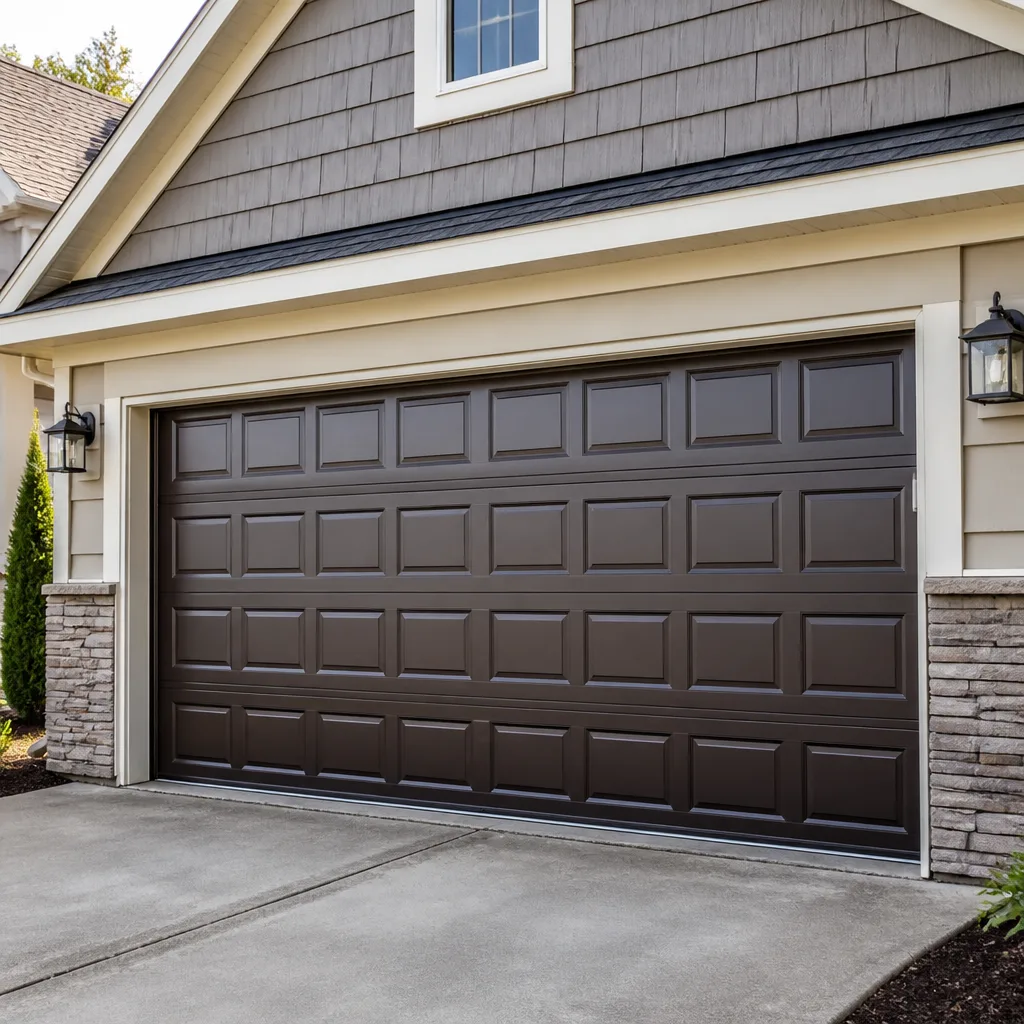 Raised-panel steel
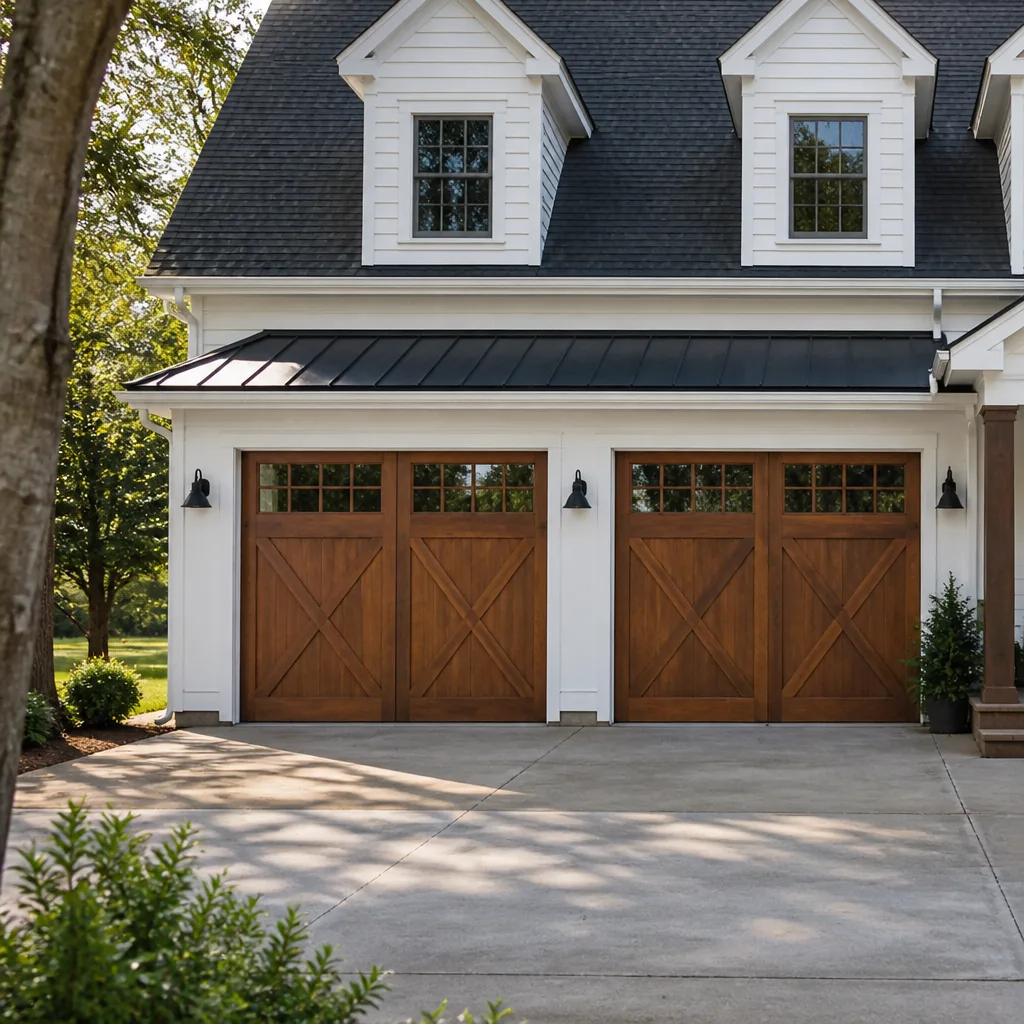 Carriage house
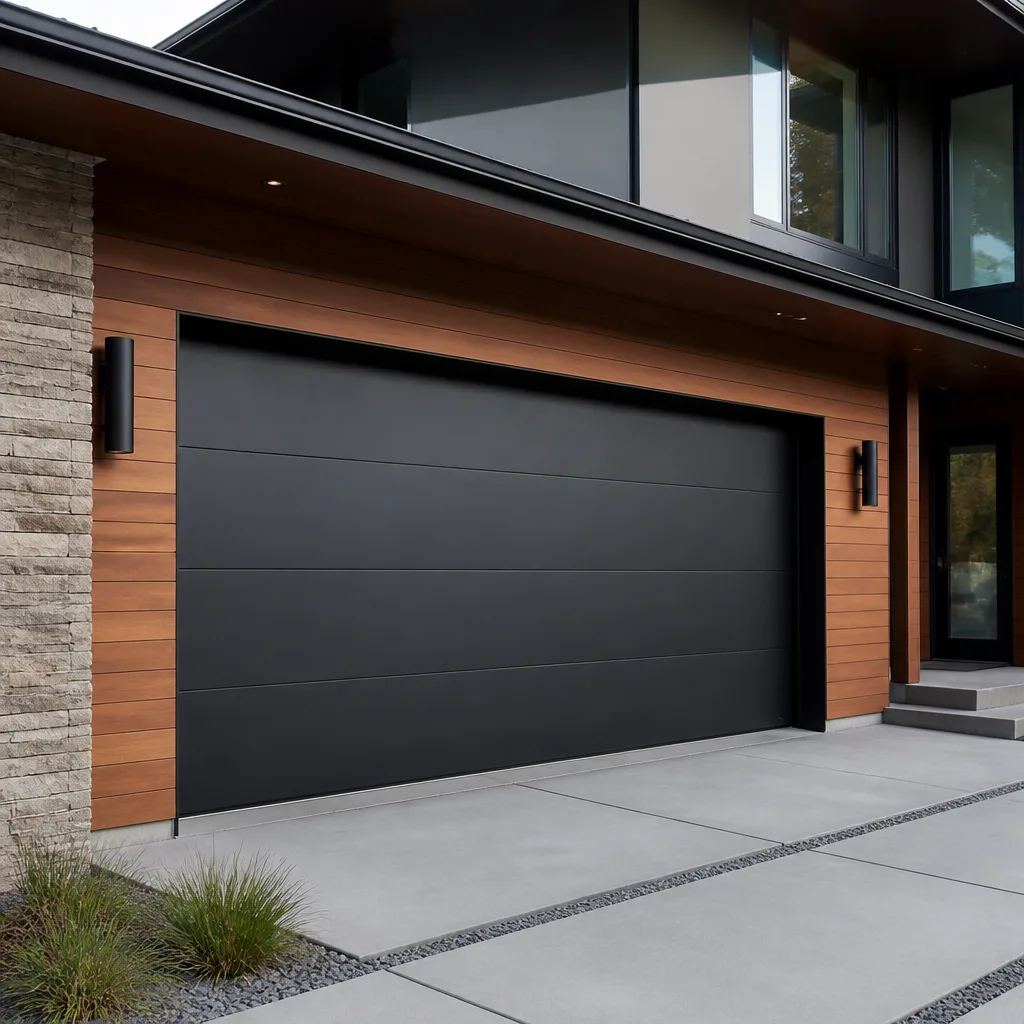 Modern flush
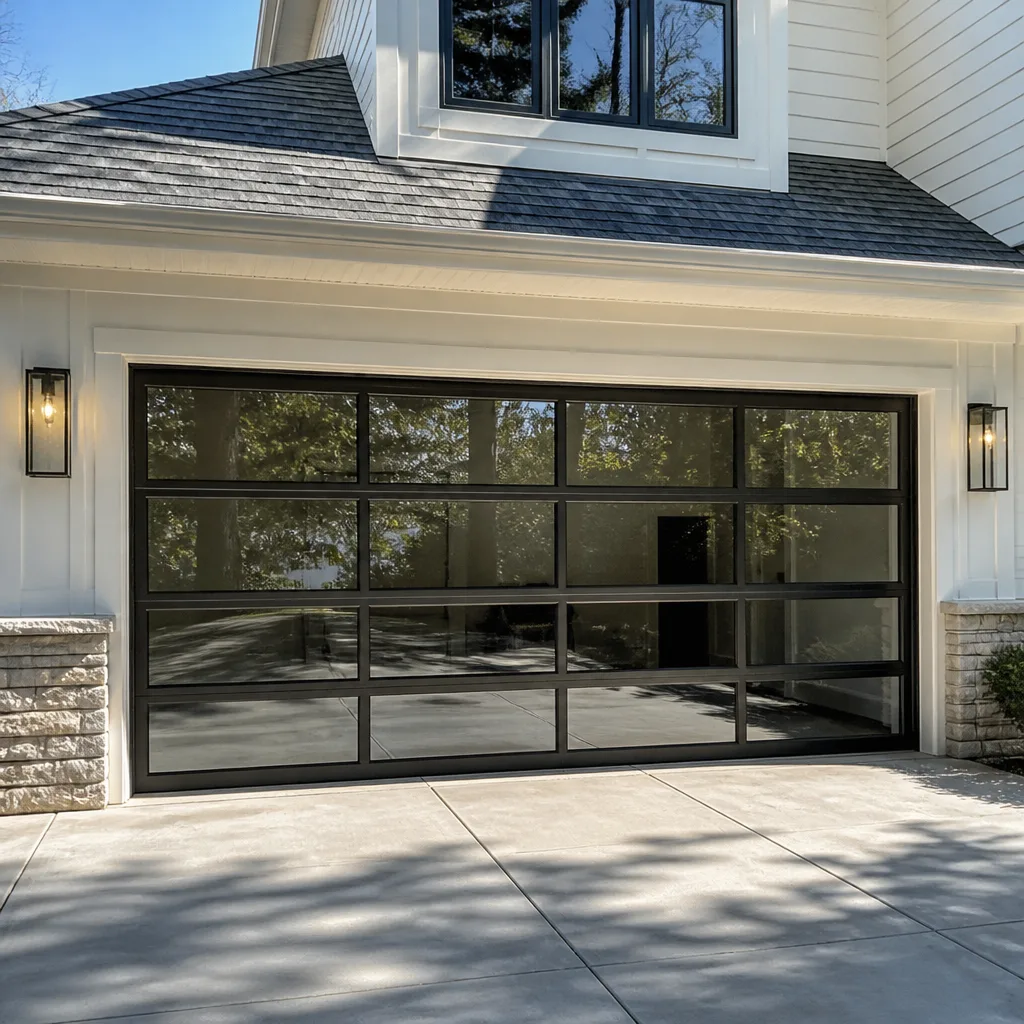 Full-view glass
 LiftMaster openers
 Chamberlain openers
Full 25-point door and opener safety check with every visit - springs, cables, rollers, tracks, and your LiftMaster or Chamberlain opener included
You get a price before we start. It does not change when the pro arrives.
Get your free estimateGarage Door Permits, Codes & Inspections in Hamline-Midway, MN: What You Need to Know
Here’s the fact that surprises almost everyone: swapping a single damaged garage door panel in Hamline-Midway usually needs no permit at all, while replacing the entire door unit on an older structure can trigger a city inspection. That gap between “just a repair” and “a structural change” is where trouble hides. Unpermitted door work can surface at resale, stall a closing, or complicate an insurance claim, and by then the original installer is long gone. This guide walks through the actual permit thresholds, what City of Saint Paul inspectors check, how historic district adjacency affects what you can install, and how the approval process really works so you don’t get caught off guard. We’ll also cover what to do if you discover old unpermitted work.
Quick Answer
In Saint Paul, a like-for-like garage door replacement generally doesn’t require a building permit, but changing the door’s size, its structural opening, the header, or the framing that supports it usually does. Exterior appearance changes can also require review when a property sits near a historic district. If you’re unsure which category your job falls into, ask the City of Saint Paul’s building department before work starts. For a straight repair – a spring, an opener, a bent track – no permit is involved. It’s the full-unit and structural work where paperwork matters.
Styles & brands we work with
- Raised-panel steel
- Carriage house
- Modern flush
- Full-view glass
- LiftMaster openers
- Chamberlain openers
Table of Contents
- When Does a Garage Door Replacement Need a Permit in Saint Paul?
- How Historic District Rules Affect Garage Door Choices in Hamline-Midway
- What Inspectors Actually Check on a Garage Door Installation
- Title and Insurance Consequences of Unpermitted Garage Door Work
- The Permit Process Step by Step: Who Files, How Long, What It Costs
- What Triggers a Failed Inspection – and How to Avoid It
- What If You Discover Unpermitted Work Already Exists?
- How Hamline-Midway Winters Shape Door and Code Decisions
When Does a Garage Door Replacement Need a Permit in Saint Paul?
The simple answer: a like-for-like swap usually doesn’t need one, and a structural alteration usually does. The line between the two is where most confusion lives, so let’s draw it clearly. Saint Paul treats a garage door replacement as a maintenance item when the new door matches the old one in size, operates the same way, and reuses the existing opening and header without modification. You’re replacing a worn component, not changing the structure. That’s the “no permit” side of the line.
Things move to the “permit required” side when the work changes the building itself. Common triggers include:
- Enlarging or shrinking the door opening – going from a single bay to a double, or the reverse.
- Modifying or replacing the header beam above the opening.
- Altering framing, jambs, or structural supports to fit a different door style.
- Switching from a sectional door to a roll-up, or between a door that uses a different mounting method.
- Adding or moving the electrical circuit that feeds a new opener.
Here’s the wrinkle for Hamline-Midway specifically. A good portion of the housing stock here is old. When a garage was built decades ago, we can’t always assume the framing behind it meets current code, and a door replacement on a structure older than roughly forty years can be where a plan reviewer asks to see what’s behind the drywall. That’s not a problem to fear – it’s a reason to find out early. If you’re planning any change beyond a like-for-like swap, call the City of Saint Paul building department and describe your project in plain terms. They’ll tell you whether you need a permit and, if so, what to submit. We’ve seen this save homeowners far more time than it costs.
For most repair work in Hamline-Midway, this whole section is moot. A broken spring, a noisy opener, a bent panel, a snapped cable – none of that goes through the permit process. That’s part of why an experienced garage door repair call is often the cleanest route: you fix what’s broken without touching the structural picture.
How Historic District Rules Affect Garage Door Choices in Hamline-Midway
Hamline-Midway sits close to parts of Saint Paul where historic preservation rules apply to exterior changes, and that adjacency matters even when your block isn’t itself inside a historic district. If you’re within or near a locally designated historic area, the city may review the appearance of a new garage door – not just its structure. That means material, color, panel style, and even window patterns can become part of the conversation before a door goes up.
What does this mean in practice? If you’re choosing between a wood-look steel door and a modern full-view aluminum door, the answer for a property in a preservation-sensitive area might not be purely aesthetic preference. A few practical points we share with homeowners:
- Material matters. Some historic districts expect a door that reads as wood, even if it’s a steel door finished to mimic wood grain. Many current Clopay and Amarr lines offer that look, which means you can often satisfy an appearance review without giving up steel’s durability.
- Color and finish get reviewed. Bold colors can be an automatic flag in a preservation zone. Neutral tones rarely trigger a second look.
- Window patterns can be a factor. If the surrounding homes have doors with windows, matching that rhythm tends to ease review.
- Adjacency is not the same as inclusion. Being near a district isn’t the same as being in one, but a reviewer can still weigh the neighboring character of the street.
The safest move is to ask the city directly whether your address falls in a preservation-review area before you order a door. This is also the moment where getting the sizing and appearance right up front matters, because a preservation review that rejects a door after it’s delivered is an expensive lesson. If you’re planning a full-unit change with appearance considerations, a proper garage door installation intake will capture the measurements and material details the review process needs. We work with brand-familiar systems that perform well in Hamline-Midway’s climate, including Wayne Dalton and Craftsman doors and openers that many homeowners here already have, and getting the appearance details right at the start is part of how a job stays on schedule.
What Inspectors Actually Check on a Garage Door Installation
Most homeowners imagine the inspection is either far more involved than it is, or far less. The reality sits in between: inspectors check the safety-critical and structure-related parts of the job, not the aesthetics. They’re not there to grade your door’s color or judge your opener’s brand. They want to confirm the installation is safe and the structure is sound.
On a garage door installation, typical points of interest include:
- Structural attachment. The track, the spring anchor bracket, and the header connection – the load-bearing points – are checked for proper fastening into solid framing.
- Header and framing integrity. If the work involved framing changes, the inspector verifies the header is adequate for the opening and the load above it.
- Electrical connections. If a new opener circuit was run, the electrical portion is checked for compliance with code. This is the part that most often surprises people, because it can cross into an electrical inspection.
- Safety features. If the inspection scope includes the opener, the door’s auto-reverse and photo-eye safety sensors are within the inspection’s scope in most jurisdictions, and they must function.
- Clearances. Openings and the door’s travel space get checked for clearance from obstructions and from anything the door could strike as it moves.
Springs and cables deserve their own note because they’re the most dangerous part of any door. High-tension springs are under enough stored force to cause serious injury, and getting the tension wrong during installation is the kind of thing an inspector will flag and a homeowner shouldn’t attempt. We won’t walk you through tensioning a spring or handling cables, because a trained technician with the right tools should handle both. What we will say is that a professionally installed door that passes inspection almost always does so because the installation itself was done to spec the first time – not because anything was “adjusted” at the last minute.
Title and Insurance Consequences of Unpermitted Garage Door Work
This is the part most Hamline-Midway homeowners don’t think about until it’s too late: unpermitted garage work can create problems at two distinct moments – when you sell, and when you file a claim. At sale, a title search and a buyer’s inspection can both surface work that was done without permits. When that happens, lenders and title companies sometimes require the work to be retroactively permitted and inspected before closing. That’s a delay measured in weeks, and sometimes a scramble to find whoever did the original work.
After a claim is where it gets more personal. If a garage door failure – say, a door that came off its track and damaged a car or part of the structure – is traced to an installation that wasn’t done to code or wasn’t permitted, an insurer has room to question coverage. We’re not going to tell you a specific insurer will deny a specific claim; coverage decisions are made case by case. What we can say is that documented, permitted, inspected work removes a whole category of questions. It shows the installation was done correctly, reviewed by the city, and signed off.
Title insurance generally won’t cover a code violation or lack of permit that predates the policy, and a standard homeowner’s policy is built to cover the home – not necessarily the consequences of work done off the books. The practical takeaway: if you’re replacing a full door unit or doing anything structural, get the permit. The paperwork becomes part of the property’s record, and that record is what protects you later. For repair work that doesn’t require a permit, keep your receipts and the work description, because documentation is still the thing that answers questions if they ever come.
The Permit Process Step by Step: Who Files, How Long, What It Costs
If your job needs a permit, the process is less intimidating than it sounds once you see the sequence. In most cases in Saint Paul, either the homeowner or the licensed contractor handling the work can apply. Many contractors handle the application on your behalf because it’s their license and their sign-off on the plans. If you’re hiring out the installation, ask who’s pulling the permit – it should be clear before work begins.
- Confirm the scope. Describe the job to the City of Saint Paul building department: door size, whether framing or the header changes, whether the electrical circuit changes, and whether the property is near a preservation area. This conversation determines whether a permit is needed.
- Prepare the application. You’ll typically submit the property address, a description of the work, contractor details, and in some cases a simple drawing or manufacturer’s spec sheet for the door.
- Submit and pay the fee. Permit fees for garage door work are modest compared to the cost of the door itself, but the exact figure depends on the city’s current fee schedule and the scope of work, so confirm it with the department. We won’t quote you a specific permit fee because it’s set by the city, not by the installer.
- Wait for review. Straightforward replacement permits often move quickly. Structural changes or preservation review take longer, and the timeline depends on the city’s current workload, so build in some lead time before you schedule installation.
- Schedule the installation. Once the permit is issued, the work is scheduled. This is where a door order can get pushed if a measurement or spec detail was wrong, which is a strong reason to get a professional measure before ordering.
- Arrange the inspection. After the work is done, the inspection is requested and a city inspector reviews the points listed above. A passed inspection closes the permit and the record is complete.
For repair-only work, this whole list disappears. A broken opener is handled through garage door opener repair with no permit in sight, and the same goes for a broken spring. That’s the practical difference between “maintenance” and “structural change” in Hamline-Midway. If you’re unsure which side of the line your job falls on, our Garage Door Repair Hamline-Midway team can talk it through before anyone touches a tool.
What Triggers a Failed Inspection – and How to Avoid It
An inspection rarely fails on cosmetics. The triggers tend to be predictable, and most of them are set up long before the inspector ever shows up. Here’s what actually causes a failed inspection on a garage door installation, and how to sidestep each one.
- Track mounted into weak or non-structural material. If the installer fastens the track to drywall or a hollow backing rather than solid framing, the door’s weight and movement can loosen it. Confirm structural attachment before installation.
- Header modification without engineering. If a new door needed a larger opening and the header was altered without a proper structural solution, the inspection will flag it. Don’t let framing modifications happen without review.
- Missing or non-compliant electrical work. A new opener circuit that wasn’t done by an electrician or wasn’t inspected can hold things up. If electrical is in scope, make sure it’s handled by someone qualified.
- Safety sensors misaligned or non-functional. Photo-eye sensors that don’t respond correctly are a common and easy-to-avoid fail. Test them before the inspection.
- Door binding or not balanced. A properly balanced door should move smoothly by hand. A door that binds suggests a tension or track issue that will only get worse.
- Work done beyond the permit scope. If the permit covered a like-for-like swap but the installation included framing changes, the inspection can’t pass what wasn’t reviewed. Keep the permit aligned with the actual work.
The pattern is consistent: failures come from installation shortcuts, not city pickiness. Our technicians have up to 8 years of experience, and one thing that experience confirms is that an inspection is a check on workmanship, not a hurdle to game. When the installation is done correctly – springs properly tensioned, track anchored to framing, sensors tested – the inspection tends to pass quietly.
What If You Discover Unpermitted Work Already Exists?
This comes up more than you’d expect in Hamline-Midway, especially in older homes where a previous owner left a paper trail that stops short of a permit. Discovering unpermitted garage door work isn’t a disaster, but it does need a plan. The first step is figuring out what exists: is the door a standard size that matches the original opening, or does the current installation show signs of altered framing? A visual look at the jambs and header, plus a check of the door’s label against the opening dimensions, usually tells you what category you’re in.
From there, the path depends on your goal. If you’re not selling and not changing anything, unpermitted work can sit as-is – but the risk stays behind the wall until you decide to resolve it. If you’re selling, a title company or buyer’s inspector may require the work to be retroactively permitted and inspected. That process usually means describing the existing installation to the city, possibly paying a permit fee based on the work that was done, and scheduling an inspection of the existing work. It can take weeks, which is why finding out early is so much better than finding out at closing.
If the existing installation has structural or safety concerns, the repair path is straightforward: get a professional assessment, then address whatever doesn’t meet code before proceeding with a permit. We don’t wave this away – if the door is binding, the springs are worn, or the track is loose, that has to be sorted first. A free estimate is a good place to start, because it gives you a clear picture of what’s actually there before you commit to any city process.
How Hamline-Midway Winters Shape Door and Code Decisions
Hamline-Midway gets real winters, and that matters for both how your door should be chosen and how it should be installed. Cycles of freeze and thaw work on a door and its hardware, and the expansion and contraction of the track, the seals, and the framing all feed into how a door holds up. For most homeowners this shows up as a door that runs a little harder in January than in July, or a seal that lets cold air in as the weather changes.
From a code and installation standpoint, a few things are worth knowing:
- Weather sealing gets checked at the bottom and sides. A door that doesn’t seal against the cold will waste heat, and an installation that leaves gaps can pass a structural inspection while still being a bad fit for our climate. Look for proper bottom seals and adjustable thresholds.
- Cold-weather performance favors well-insulated doors. If you’re replacing a full door, this is the moment to choose an insulated model rather than a basic one. It’s easier to get right during a full replacement than to retrofit later.
- Snow and ice can bend tracks. A track that’s been bumped by a snowblower or pushed by a car tends to bend, and a bent track is a repair, not a permit issue – but a repair that’s much less expensive when it’s caught early.
- Springs work harder in cold weather. Springs are the most common winter failure, which is why a repair visit is often the fastest way back to a working door, and why spring work should always go to a trained technician.
None of this is exotic. It’s just how a garage door lives in Hamline-Midway. When we look at a job, we’re thinking about which door and which installation details will handle a Minnesota winter without constant attention. That’s the practical version of “code compliance” – it’s the door that still works in February.
Common Mistakes to Avoid
- Assuming every door replacement needs a permit. A like-for-like swap usually doesn’t, and over-filing isn’t the problem – the problem is assuming a full-unit change is maintenance when it isn’t. Ask the city before you order.
- Assuming no door replacement ever needs a permit. If the opening or header changes, that’s structural, and skipping the permit creates exactly the resale headache we started with.
- Not checking preservation-review status. In or near a historic part of Hamline-Midway, a door’s material and appearance can be reviewed. A rejected door after delivery is an expensive mistake.
- Letting a contractor start without a clear answer on who pulls the permit. If the licensed contractor handles it, get that in writing before the first screw goes in.
- Treating the inspection as a formality. Track attachment, header integrity, electrical, and safety sensors are exactly what gets checked, and shortcuts show up at the inspection.
- Ignoring unpermitted work from a previous owner. It can live quietly for years and then stall a sale. Resolve it on your timeline, not the buyer’s.
- DIY spring work. High-tension springs can cause serious injury. This is the one part of the job that always belongs with a trained technician with the right tools.
See the difference
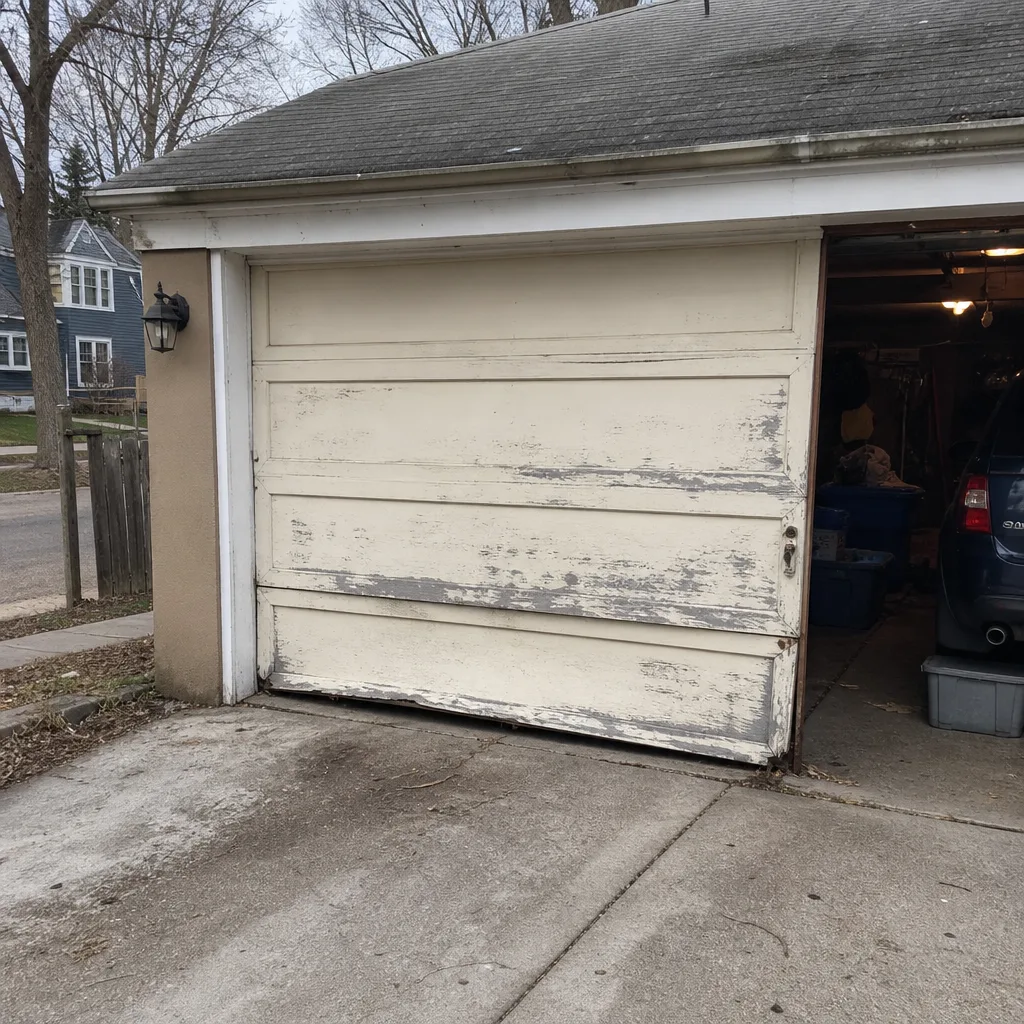 Before
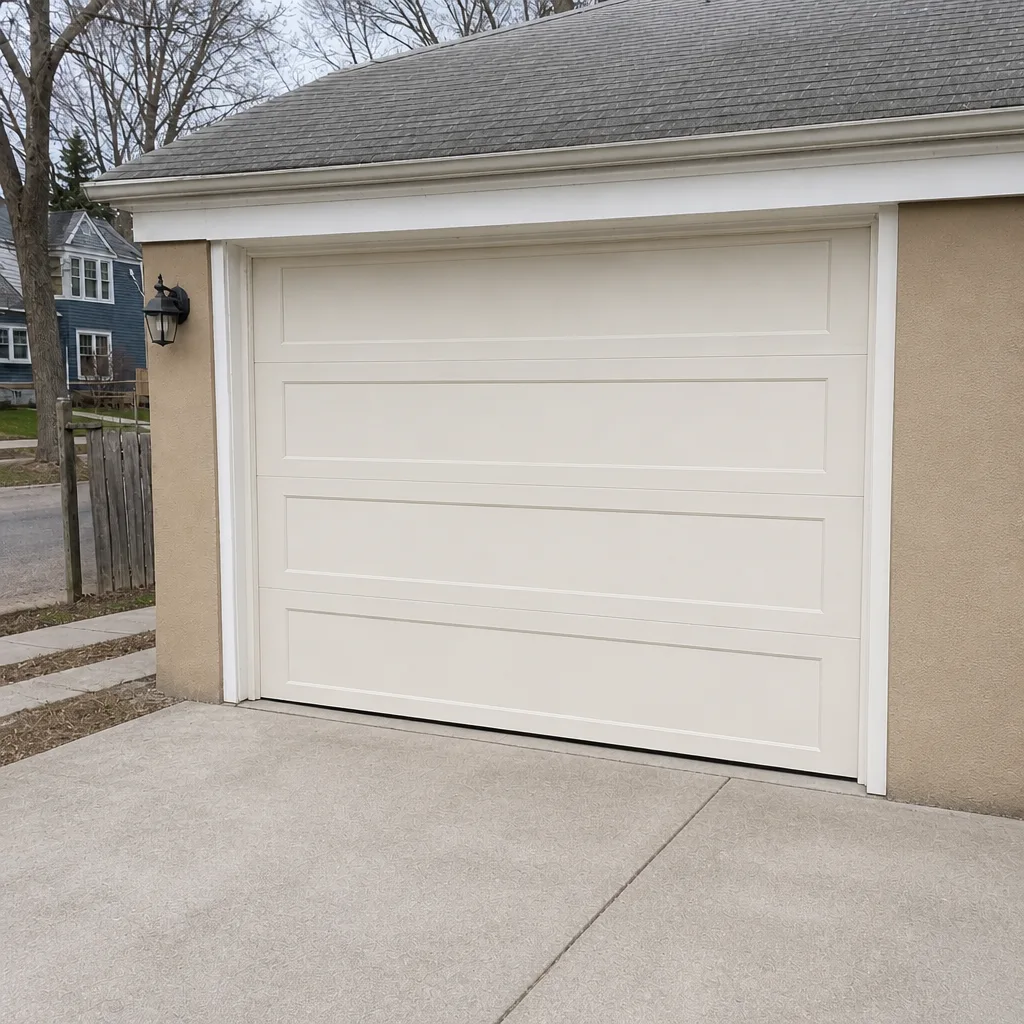 After
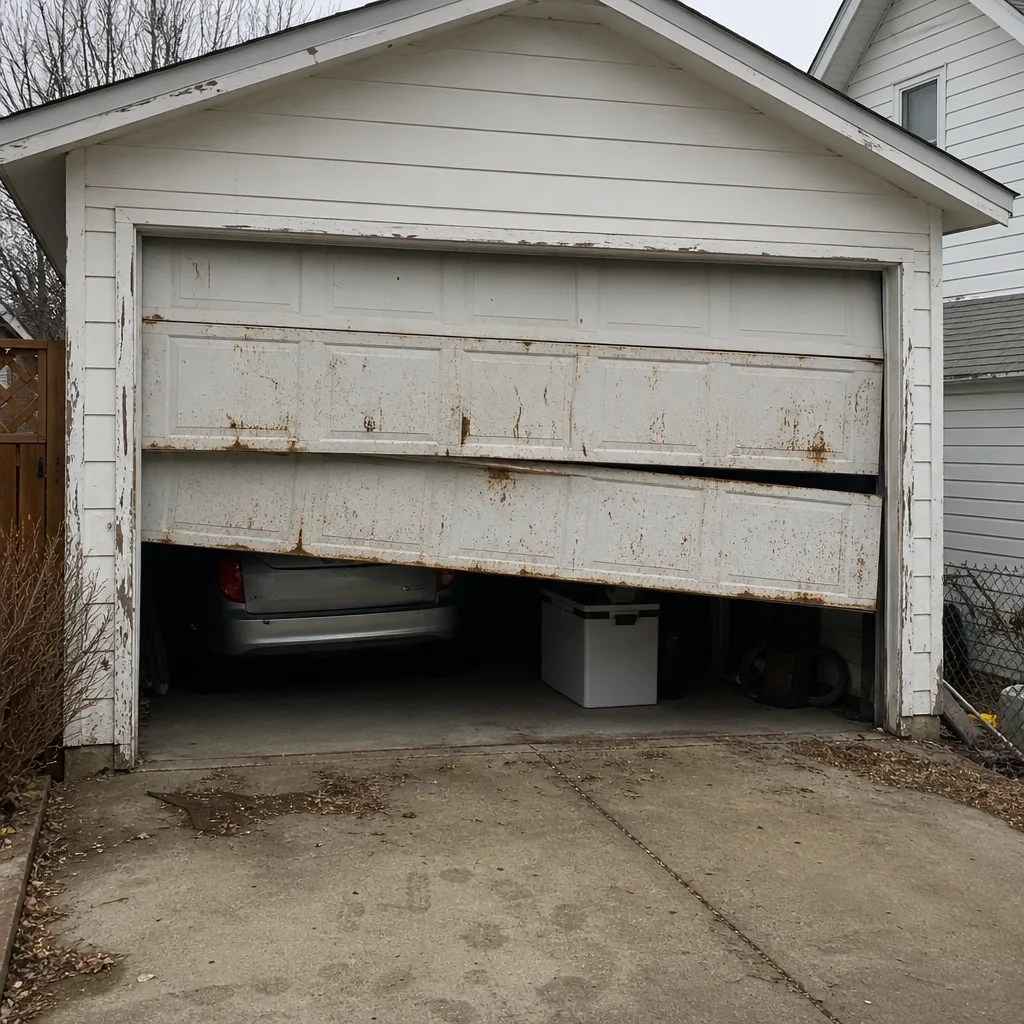 Before
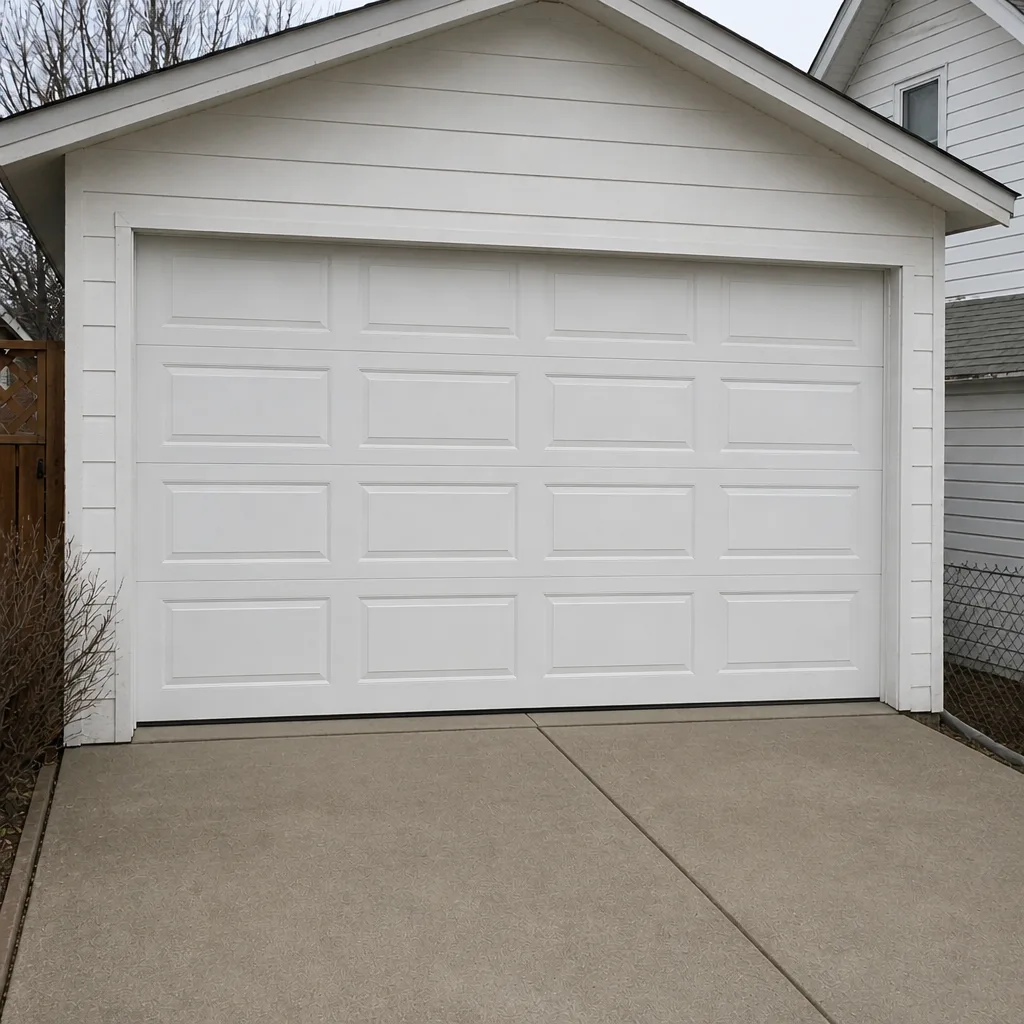 After
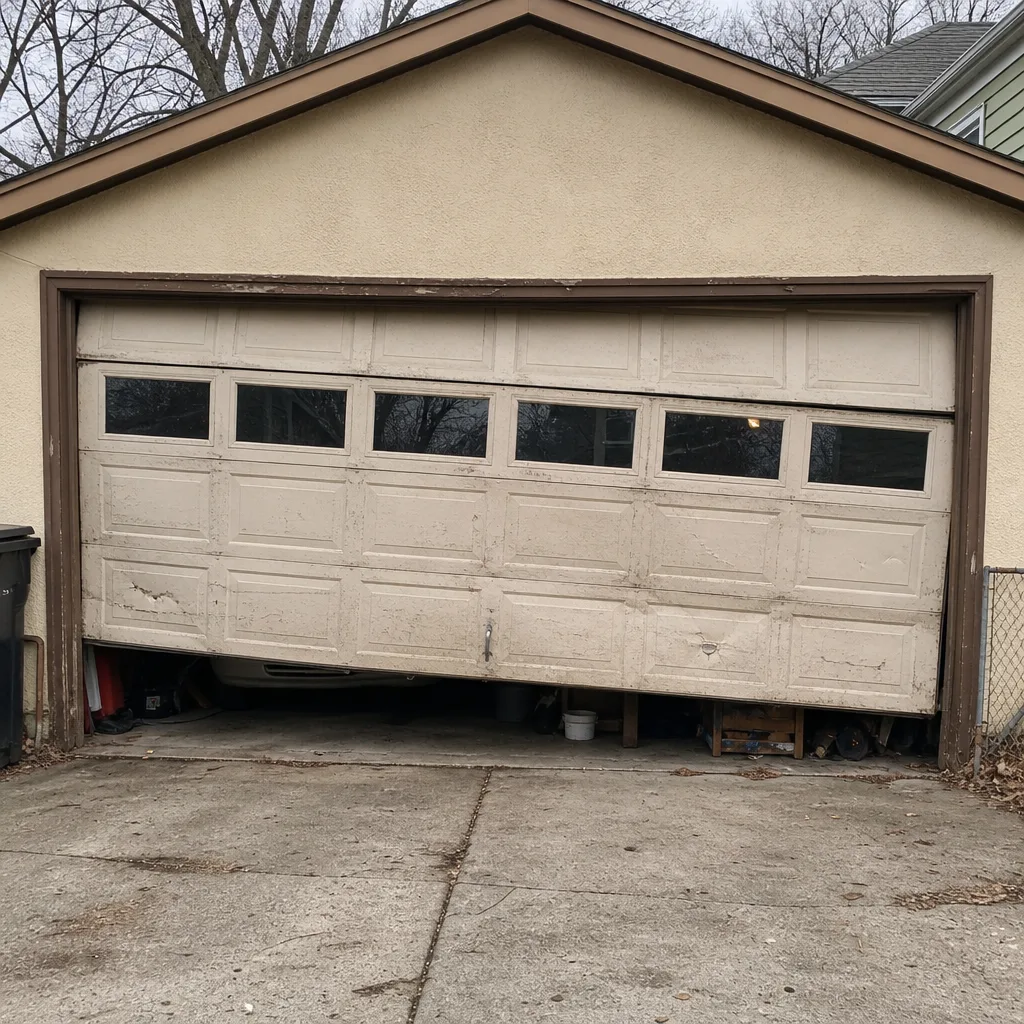 Before
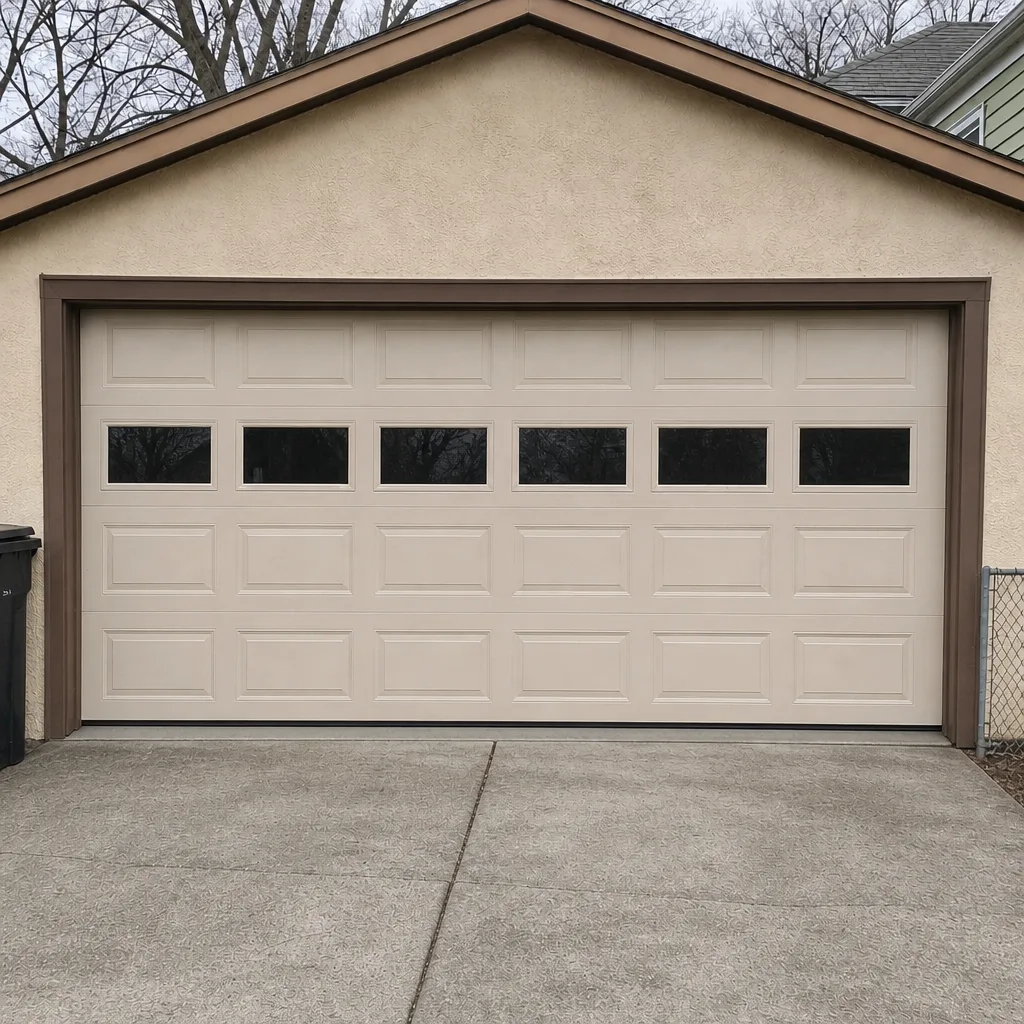 After
When to Call a Professional
Call a professional when the door won’t stay balanced, when a spring or cable has failed, when a track is bent, when an opener is running but not lifting the door, or when you’re planning any full-unit replacement where the sizing, framing, or preservation question needs a real answer. Those are the moments where a specialist saves you both time and risk. We work on the brand already in your garage – LiftMaster, Chamberlain, Genie, Clopay, Amarr, Wayne Dalton, Craftsman, and Raynor – so a visit starts with the system you already own, not a learning curve. If a door fails at night and you need a fast response, emergency service is a core part of what we do. Garage Door Repair Hamline-Midway offers free estimates in Hamline-Midway – call (855) 771-4075.
Frequently Asked Questions
Usually not, as long as it’s a like-for-like replacement that matches the existing opening and doesn’t change the framing or header. If you’re enlarging the opening, modifying the header, or changing the installation method, a permit and inspection are generally required. Confirm the scope with the City of Saint Paul building department before work begins. Call (855) 771-4075 for a free estimate if you want the scope assessed first – estimates are free.
It can. A title search and a buyer’s inspection can both surface work that wasn’t permitted, and lenders or title companies may require the work to be retroactively permitted and inspected before closing. That’s a delay, not a crisis, but it’s much better to handle it on your own schedule than at the closing table. Call (855) 771-4075 to have the existing installation looked at – estimates are free.
City inspectors focus on structure and safety: how the track, spring anchor, and header are attached, whether any framing changes are adequate, whether electrical work complies, and whether the door’s safety sensors work. They’re not grading appearance. A correctly installed door passes without drama. Call (855) 771-4075 if you’d like a pre-inspection check before the city arrives – estimates are free.
It can. Properties in or near locally designated historic areas may face preservation review of exterior appearance, which can include material, color, and panel style. Being near a district isn’t the same as being in one, but reviewers can weigh the street’s character. Ask the city whether your address is in a preservation area before ordering. Call (855) 771-4075 to talk through door choices – estimates are free.
Permit fees are set by the City of Saint Paul and depend on the scope of work, so we won’t quote a figure here – the building department can tell you the current fee for your project. For repair-only work, no permit is involved, so the cost of a spring or opener fix is just the repair itself. Call (855) 771-4075 for a free repair or replacement estimate, quoted and agreed before any work starts.
For repair work, often yes – we diagnose and fix the same visit when the part allows it, which is why a single broken spring is usually a one-visit job. For full door replacement, the work is measured, ordered, and scheduled rather than done on the spot, because it depends on the door and any permit process. Call (855) 771-4075 and we’ll tell you which type of visit your job needs – estimates are free.
The Bottom Line
The rule to remember in Hamline-Midway: a like-for-like garage door replacement generally doesn’t need a permit, while any structural change to the opening, header, or framing usually does. Repairs – springs, openers, tracks, cables – don’t touch the permit process at all. If your address sits in or near a preservation-sensitive area, appearance can be reviewed before a door goes up, so find out early. Document everything, keep the permit aligned with the work, and don’t let unpermitted work from a previous owner sit until it stalls a sale. Every price we give is a written estimate, quoted and agreed before any work starts. If you want the job assessed by a garage door specialist, call us for a free estimate at (855) 771-4075.
Written by the team at Garage Door Repair Hamline-Midway.